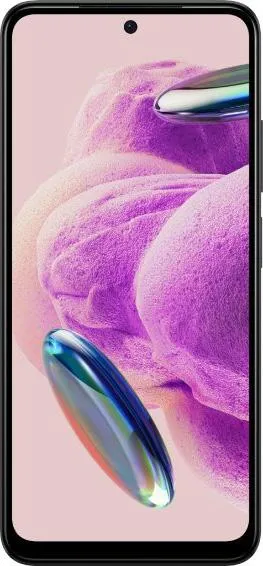
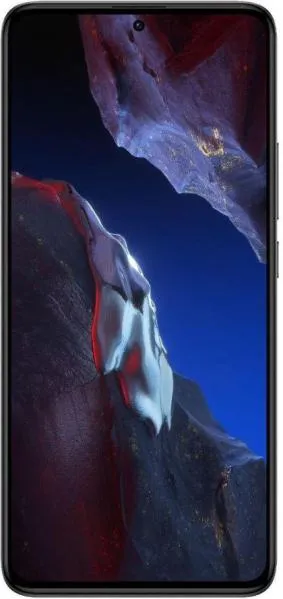
1. Specifications Comparison
| Feature | Xiaomi Redmi Note 12S | Xiaomi Poco F5 Pro | Practical Impact |
|---|---|---|---|
| Design | |||
| Dimensions (mm) | 159.9 x 73.9 x 8.1 | 162.8 x 75.4 x 8.6 | Poco F5 Pro is slightly larger and heavier. |
| Weight (g) | 176 | 204 | Redmi Note 12S is noticeably lighter for one-handed use. |
| Display | |||
| Display Type | AMOLED, 90Hz | AMOLED, 120Hz | Poco F5 Pro offers smoother scrolling and animations with a higher refresh rate. |
| Display Size (inches) | 6.43 | 6.67 | Poco F5 Pro has a larger screen for more immersive content consumption. |
| Resolution | 1080 x 2400 | 1440 x 3200 | Poco F5 Pro has a significantly sharper display with higher pixel density (526 vs 409 ppi). |
| Peak Brightness (nits) | 1000 | 1400 | Poco F5 Pro offers better visibility in direct sunlight. |
| HDR Support | No Dolby Vision | Dolby Vision, HDR10+ | Poco F5 Pro supports a wider range of HDR content for a better viewing experience. |
| Performance | |||
| Chipset | Mediatek Helio G96 (12nm) | Qualcomm Snapdragon 8+ Gen 1 (4nm) | Poco F5 Pro boasts a significantly more powerful processor for demanding tasks and gaming. |
| CPU | Octa-core (2x2.05 GHz Cortex-A76 & 6x2.0 GHz Cortex-A55) | Octa-core (1x3.0 GHz Cortex-X2 & 3x2.5 GHz Cortex-A710 & 4x1.80 GHz Cortex-A510) | Poco F5 Pro's CPU architecture is more modern and powerful, resulting in faster processing speeds. |
| GPU | Mali-G57 MC2 | Adreno 730 | Poco F5 Pro offers superior graphics performance for gaming and visually intensive applications. |
| RAM (GB) | 6/8 | 12 | Poco F5 Pro offers more RAM for smoother multitasking and demanding applications. |
| Camera | |||
| Main Camera (MP) | 108 | 64 | While Redmi Note 12S has higher megapixels, Poco F5 Pro utilizes a larger sensor (1/2" vs 1/1.52") which potentially captures more light. |
| Video Recording | 1080p@30fps | 8K@24fps | Poco F5 Pro offers significantly higher resolution video recording capabilities. |
| Optical Image Stabilization | No | Yes | Poco F5 Pro's OIS will result in significantly smoother videos and potentially better low-light photos. |
| Battery | |||
| Capacity (mAh) | 5000 | 5160 | Negligible difference in battery capacity. Real-world battery life will depend on usage and optimization. |
2. Key Differences Analysis
Xiaomi Redmi Note 12S Advantages:
- Lighter and more compact: Easier for one-handed use and portability.
- Lower price: More budget-friendly option.
Xiaomi Poco F5 Pro Advantages:
- Significantly more powerful: Superior performance for gaming, multitasking, and demanding applications.
- Sharper and smoother display: Higher resolution, refresh rate, and peak brightness for a better viewing experience.
- Superior camera capabilities: Higher resolution video recording, Optical Image Stabilization, and potentially better low-light performance due to a larger sensor.
Trade-offs:
- The Poco F5 Pro's superior performance and features come at a higher price and slightly larger size.
- The Redmi Note 12S prioritizes affordability and portability over top-tier performance.
3. User Profiles & Recommendations
Redmi Note 12S: Suitable for budget-conscious users who prioritize basic smartphone functionalities like calling, texting, social media, and light web browsing. Good for users who prefer a lighter and more compact device.
Poco F5 Pro: Ideal for power users, gamers, and content creators who demand top-tier performance, a high-quality display, and advanced camera features.
4. Decision Framework
Key Questions for Buyers:
- What is your budget? The Redmi Note 12S is significantly more affordable.
- What are your primary smartphone usage patterns? For basic tasks, the Redmi Note 12S is sufficient. For demanding tasks and gaming, the Poco F5 Pro is necessary.
- Do you prioritize portability and one-handed use? The Redmi Note 12S is lighter and smaller.
My Choice: Xiaomi Poco F5 Pro
While the Redmi Note 12S is a solid budget option, the Poco F5 Pro's significant performance advantage, superior display, and advanced camera features make it the clear winner for me. I prioritize a smooth and responsive user experience, high-quality visuals, and the ability to handle demanding tasks and gaming. The higher price is justified by the significant jump in overall quality and capabilities. The slightly larger size is not a significant deterrent for me. A powerful and future-proof device is more valuable to me in the long run.
