1. Specifications Comparison
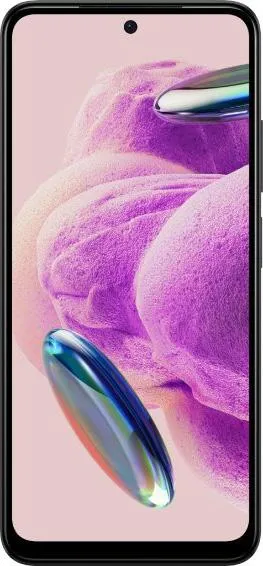
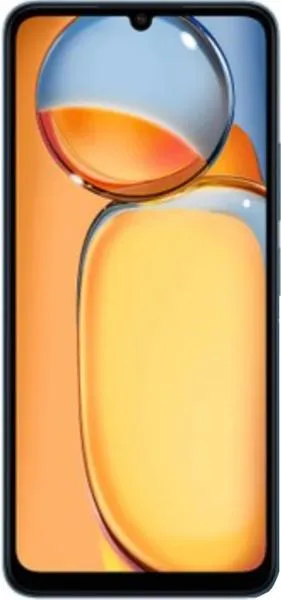
| Feature | Xiaomi Redmi Note 12S | Xiaomi Poco C65 | Practical Impact |
|---|---|---|---|
| Design | |||
| Dimensions (mm) | 159.9 x 73.9 x 8.1 | 168 x 78 x 8.1 | Poco C65 is noticeably larger; may be less comfortable for one-handed use. |
| Weight (g) | 176 | 192 | Redmi Note 12S is lighter, contributing to better handling. |
| Display | |||
| Display Type | AMOLED, 90Hz | IPS LCD, 90Hz | Redmi Note 12S offers deeper blacks, more vibrant colors, and better power efficiency due to AMOLED technology. |
| Display Size (inches) | 6.43 | 6.74 | Poco C65 has a larger screen, better for media consumption but potentially less pocketable. |
| Resolution | 1080 x 2400 | 720 x 1600 | Redmi Note 12S has a significantly sharper display, resulting in clearer text and images. Lower resolution on the Poco C65 may appear pixelated. |
| Pixel Density (PPI) | 409 | 260 | Redmi Note 12S offers much sharper visuals due to higher pixel density. |
| Peak Brightness (nits) | 1000 | (typ)450, (HBM) 600 | Redmi Note 12S will be significantly more readable in direct sunlight. |
| Performance | |||
| Chipset | Mediatek Helio G96 | Mediatek Helio G85 | Both offer decent performance for everyday tasks, but Helio G96 in the Redmi Note 12S provides a slight edge in gaming and demanding applications. |
| CPU | Octa-core (2x2.05 GHz A76 & 6x2.0 GHz A55) | Octa-core (2x2.0 GHz A75 & 6x1.8 GHz A55) | While similar, the slightly faster Cortex-A76 cores in the Redmi Note 12S may provide marginal performance benefits. |
| GPU | Mali-G57 MC2 | Mali-G52 MC2 | Redmi Note 12S likely has a slight advantage in graphics performance. |
| RAM | 6/8GB | 4/6/8 GB | Both offer adequate RAM options, but more RAM generally enables smoother multitasking. |
| Camera | |||
| Main Camera | 108MP, f/1.8 | 50MP, f/1.8 | Redmi Note 12S boasts a higher resolution main sensor, potentially capturing more detail. Real-world performance depends on image processing. |
| Selfie Camera | 16MP | 8MP | Redmi Note 12S offers a higher resolution front camera for better selfies. |
| Battery | |||
| Capacity | 5000 mAh | 5000 mAh | Similar battery capacity suggests comparable battery life, though real-world usage varies. |
2. Key Differences Analysis
Redmi Note 12S Advantages:
- Superior Display: AMOLED technology with higher resolution and brightness delivers a significantly better visual experience.
- Slightly Better Performance: The Helio G96 chipset and Mali-G57 MC2 GPU offer a marginal performance edge.
- Higher Resolution Cameras: Both main and selfie cameras have higher resolution sensors.
Poco C65 Advantages:
- Larger Display: Offers more screen real estate for media consumption.
- Lower Price: Positioned in a lower price bracket, offering better affordability.
3. User Profiles & Recommendations
Redmi Note 12S: Suited for users who prioritize display quality, performance, and camera capabilities. Ideal for media consumption, gaming, and photography enthusiasts.
Poco C65: Best for budget-conscious users who prioritize a large display for media consumption and basic smartphone functionality. Suitable for casual users who are not heavy gamers or photography enthusiasts.
4. Decision Framework
Key Questions for Buyers:
- What is your budget? The Poco C65 offers better value for money if price is a primary concern.
- How important is display quality? The Redmi Note 12S offers a vastly superior display.
- What are your primary use cases? The Redmi Note 12S is better for demanding tasks like gaming, while the Poco C65 is sufficient for casual use.
My Choice: Xiaomi Redmi Note 12S
While the Poco C65 offers a larger display and lower price, the Redmi Note 12S provides a significantly better overall user experience due to its superior AMOLED display, slightly better performance, and higher resolution cameras. The difference in price is justifiable considering the substantial improvements in key areas like display and performance. For me, a high-quality display is crucial for enjoyable daily use, and the Redmi Note 12S excels in this aspect. The marginal performance gains are a welcome addition, ensuring smoother operation. While the Poco C65 offers a good value proposition for budget users, the Redmi Note 12S presents a more compelling package overall.
