1. Specifications Comparison
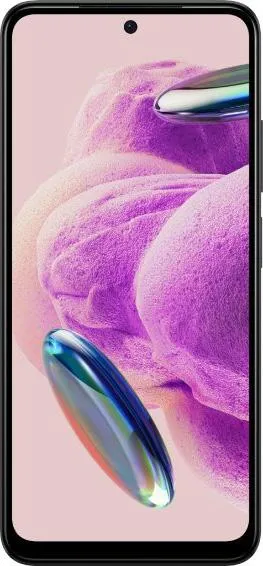
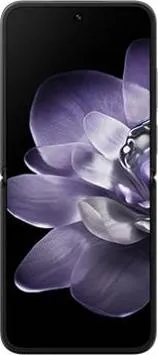
| Feature | Xiaomi Redmi Note 12S | Xiaomi Mix Flip | Practical Impact |
|---|---|---|---|
| Design | |||
| Dimensions (mm) | 159.9 x 73.9 x 8.1 | 167.5 x 74 x 7.6 | Mix Flip is taller and slightly narrower when unfolded, but significantly more compact when folded. Note 12S is thinner. |
| Weight (g) | 176 | 190 | Mix Flip is slightly heavier. |
| Foldable | No | Yes | Mix Flip offers greater portability and a unique form factor. |
| Display | |||
| Display Type | AMOLED, 90Hz | Foldable LTPO AMOLED, 120Hz | Mix Flip boasts a larger, higher resolution, foldable display with a faster refresh rate and superior brightness. LTPO allows for dynamic refresh rate adjustment, saving battery. |
| Size (inches) | 6.43 | 6.86 | Mix Flip offers a more immersive viewing experience. |
| Resolution (px) | 1080 x 2400 | 1224 x 2912 | Mix Flip's higher resolution provides sharper text and images. |
| Refresh Rate (Hz) | 90 | 120 | Mix Flip provides smoother scrolling and animations. |
| Peak Brightness (nits) | 1000 | 3000 | Mix Flip is significantly brighter, improving outdoor visibility. Also supports HDR10+ and Dolby Vision for better video quality. |
| Performance | |||
| Chipset | Mediatek Helio G96 (12 nm) | Qualcomm Snapdragon 8 Gen 3 (4 nm) | Mix Flip utilizes a significantly more powerful and efficient processor, resulting in much faster performance and better battery life under heavy load. |
| CPU | Octa-core (2x2.05 GHz Cortex-A76 & 6x2.0 GHz Cortex-A55) | Octa-core (1x3.3 GHz Cortex-X4 & 3x3.2 GHz Cortex-A720 & 2x3.0 GHz Cortex-A720 & 2x2.3 GHz Cortex-A520) | Mix Flip's CPU offers significantly improved multi-core and single-core performance for demanding tasks and multitasking. |
| GPU | Mali-G57 MC2 | Adreno 750 | Mix Flip has a vastly superior GPU, leading to significantly better gaming and graphics performance. |
| RAM (GB) | 6/8 | 12 | Mix Flip offers more RAM, allowing for smoother multitasking and better performance with memory-intensive applications. |
| Camera | |||
| Main Camera (MP) | 108 | 50 | While Note 12S has higher megapixel count, Mix Flip utilizes a larger sensor with advanced features like OIS, resulting in potentially better low-light performance and overall image quality. |
| Video Recording | 1080p@30fps | 8K@24fps | Mix Flip offers significantly higher resolution video recording capabilities. |
| Battery | |||
| Capacity (mAh) | 5000 | 4780 | Note 12S has a slightly larger battery, but the Mix Flip's more efficient processor might result in comparable or even better battery life. |
2. Key Differences Analysis
Xiaomi Redmi Note 12S Advantages:
- Lower Price: Significantly more affordable.
- Slightly Larger Battery: Potentially longer battery life for basic usage.
- Lighter and Thinner: More comfortable for one-handed use.
Xiaomi Mix Flip Advantages:
- Foldable Design: Increased portability and unique form factor.
- Significantly More Powerful: Superior performance for demanding tasks and gaming.
- Higher Quality Display: Larger, brighter, and smoother with HDR support.
- Superior Camera Features: OIS, faster autofocus, and higher resolution video recording.
3. User Profiles & Recommendations
Xiaomi Redmi Note 12S: Budget-conscious users who prioritize basic functionality, long battery life for casual use, and affordability. Ideal for:
- Casual users: Social media, web browsing, light gaming.
- Students: Note-taking, media consumption.
- Budget-minded individuals: Seeking a reliable phone without breaking the bank.
Xiaomi Mix Flip: Users who value cutting-edge technology, premium design, top-tier performance, and a unique form factor. Ideal for:
- Power users: Demanding tasks, multitasking, gaming.
- Content creators: Photography, videography.
- Tech enthusiasts: Seeking the latest and greatest features.
4. Decision Framework
Key Questions:
- What is your budget? Mix Flip is significantly more expensive.
- What level of performance do you need? Mix Flip offers significantly better performance.
- How important is portability and form factor? Mix Flip's foldable design provides unique advantages.
My Choice: Xiaomi Mix Flip
While the Redmi Note 12S offers excellent value for its price, the Xiaomi Mix Flip is the clear winner for me. Its foldable design, flagship-level performance, and stunning display are compelling. The superior camera features and future-proof 5G connectivity further solidify its position as a top-tier device. Although the price is significantly higher, the Mix Flip offers a substantial upgrade in almost every aspect, making it a worthwhile investment for a user who values cutting-edge technology and a premium experience. The compact size when folded is a huge benefit for portability. I'm willing to pay the premium for the innovative design and top-of-the-line features.
