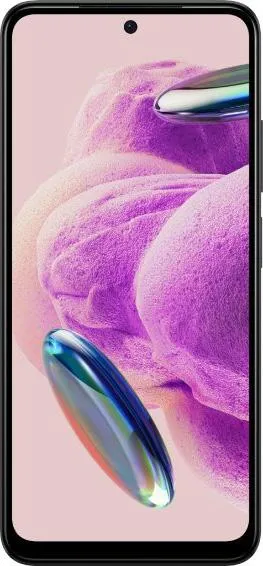
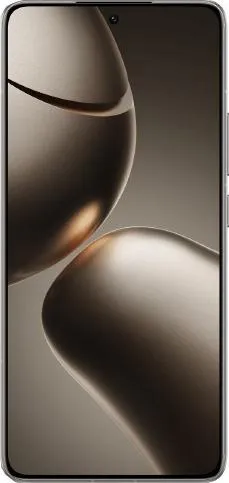
1. Specifications Comparison
| Feature | Xiaomi Redmi Note 12S | Xiaomi 14T Pro | Practical Impact |
|---|---|---|---|
| Design | |||
| Dimensions (mm) | 159.9 x 73.9 x 8.1 | 160.4 x 75.1 x 8.4 | 14T Pro slightly larger, may feel less compact |
| Weight (g) | 176 | 209 | 14T Pro noticeably heavier, impacting one-handed use |
| Display | |||
| Size (inches) | 6.43 | 6.67 | 14T Pro offers a larger screen for media consumption |
| Resolution (px) | 1080 x 2400 | 1220 x 2712 | 14T Pro has a sharper display |
| Refresh Rate (Hz) | 90 | 144 | 14T Pro provides smoother scrolling and animations |
| Peak Brightness (nits) | 1000 | 4000 | 14T Pro significantly brighter, crucial in sunlight readability |
| Display Type | AMOLED | AMOLED | Both offer vibrant colors and deep blacks |
| HDR | No Dolby Vision | Dolby Vision, HDR10+ | 14T Pro supports wider HDR formats for superior video quality |
| Performance | |||
| Chipset | Mediatek Helio G96 (12 nm) | Mediatek Dimensity 9300+ (4 nm) | 14T Pro significantly faster and more power-efficient |
| CPU | Octa-core (2x2.05 GHz A76 & 6x2.0 GHz A55) | Octa-core (1x3.4 GHz X4 & 3x2.85 GHz X4 & 4x2.0 GHz A720) | 14T Pro offers a substantial performance leap for demanding tasks and gaming |
| GPU | Mali-G57 MC2 | Immortalis-G720 MC12 | 14T Pro boasts a much more powerful GPU for enhanced gaming and graphics rendering |
| RAM (GB) | 6/8 | 12 | 14T Pro offers more RAM for multitasking and future-proofing |
| Camera | |||
| Main Camera (MP) | 108 | 50 | Megapixels don't tell the whole story; 14T Pro likely uses a superior sensor and processing |
| Video Recording | 1080p@30fps | Up to 8K@30fps | 14T Pro offers significantly higher resolution and frame rate video recording |
| Other Features | Triple Camera | Triple Camera with OIS and advanced features | 14T Pro benefits from optical image stabilization (OIS) for sharper photos and videos |
| Battery | |||
| Capacity (mAh) | 5000 | 5000 | Similar battery capacities |
| Charging | USB Type-C 2.0 | USB Type-C 2.0 | Charging speeds not specified, limiting comparison |
2. Key Differences Analysis
Xiaomi 14T Pro Advantages:
- Significantly faster performance: The Dimensity 9300+ chipset and superior GPU offer a massive performance advantage for demanding tasks, gaming, and multitasking.
- Superior display: Higher resolution, refresh rate, peak brightness, and HDR support result in a noticeably better visual experience.
- Enhanced camera capabilities: Higher resolution video recording, OIS, and advanced features like 8K recording differentiate the 14T Pro.
- More Future-proof: 12 GB of RAM, Wi-Fi 7 and Bluetooth 5.4 provide headroom for future software updates and emerging technologies.
Xiaomi Redmi Note 12S Advantages:
- Lighter and more compact: Noticeably lighter and slightly smaller, making it potentially more comfortable for one-handed use.
- Lower price: Significantly more affordable, offering good value for its price range.
3. User Profiles & Recommendations
Xiaomi 14T Pro: Users who prioritize performance, a high-quality display, and advanced camera features. Ideal for gamers, content creators, and power users.
Xiaomi Redmi Note 12S: Budget-conscious users who prioritize affordability and a compact form factor. Suitable for everyday tasks, social media, and light gaming.
4. Decision Framework
Key Questions for Buyers:
- What is your budget? The 14T Pro is significantly more expensive.
- What are your primary use cases? Gaming, content creation, or demanding tasks benefit from the 14T Pro's performance.
- Do you prioritize portability? The Redmi Note 12S is lighter and smaller.
My Choice: Xiaomi 14T Pro
While the Redmi Note 12S offers excellent value, the Xiaomi 14T Pro is the clear winner for me. The substantial upgrades in performance, display, and camera capabilities justify the higher price. The Dimensity 9300+ provides a significant leap in processing power and efficiency, ensuring smooth performance for years to come. The brilliant 144Hz display with Dolby Vision and HDR10+ support elevates the visual experience considerably. Furthermore, the advanced camera features, especially OIS and 8K video recording, cater to my content creation needs. Although heavier, the slightly larger size of the 14T Pro isn't a dealbreaker considering the significant advantages it offers. The future-proofing aspects of the 14T Pro, with more RAM and newer connectivity standards, further solidify my decision.
