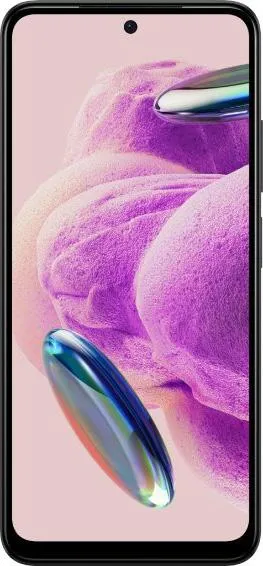
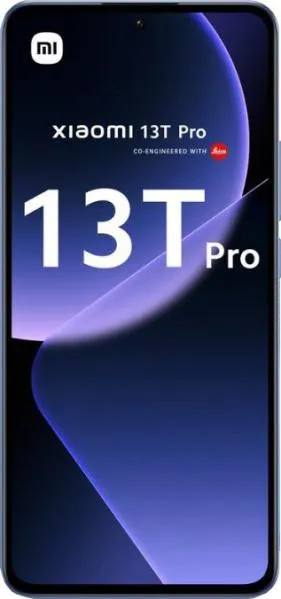
1. Specifications Comparison
| Feature | Xiaomi Redmi Note 12S | Xiaomi 13T Pro | Practical Impact |
|---|---|---|---|
| Design | |||
| Dimensions (mm) | 159.9 x 73.9 x 8.1 | 162.2 x 75.7 x 8.5 | 13T Pro is slightly larger and thicker. |
| Weight (g) | 176 | 200 | 13T Pro is noticeably heavier. Can impact one-handed use and pocket comfort. |
| Display | |||
| Size (inches) | 6.43 | 6.67 | 13T Pro offers a larger screen for more immersive media consumption. |
| Resolution | 1080 x 2400 | 1220 x 2712 | 13T Pro has a sharper display, noticeable in text clarity and image detail. |
| Refresh Rate (Hz) | 90 | 144 | 13T Pro's significantly higher refresh rate results in smoother animations and scrolling. Beneficial for gaming and fast-paced content. |
| Display Type | AMOLED | AMOLED | Both offer vibrant colors and deep blacks. |
| Peak Brightness (nits) | 1000 | 2600 | 13T Pro's much higher peak brightness ensures excellent outdoor visibility. |
| HDR | No Dolby Vision | Dolby Vision, HDR10+ | 13T Pro supports wider HDR standards, resulting in better dynamic range and color accuracy in compatible content. |
| Performance | |||
| Chipset | Mediatek Helio G96 (12 nm) | Mediatek Dimensity 9200+ (4 nm) | 13T Pro boasts a significantly more powerful and efficient processor, enabling smoother multitasking, demanding gaming, and faster app loading. |
| CPU | Octa-core (2x2.05 GHz A76 & 6x2.0 GHz A55) | Octa-core (1x3.35 GHz X3 & 3x3.0 GHz A715 & 4x2.0 GHz A510) | 13T Pro's CPU architecture provides a substantial performance leap. |
| GPU | Mali-G57 MC2 | Immortalis-G715 MC11 | 13T Pro has a vastly superior GPU, crucial for high-end gaming and graphics-intensive tasks. |
| RAM | 6GB/8GB | 12GB/16GB | 13T Pro offers significantly more RAM, allowing for more apps to run in the background without performance degradation. |
| Camera | |||
| Main Camera (MP) | 108 | 50 | While 12S has higher megapixel count, 13T Pro utilizes a larger sensor (Sony IMX707) likely resulting in better low-light performance and dynamic range. |
| Video Recording | 1080p@30fps | Up to 8K@24fps | 13T Pro offers significantly higher resolution video recording capabilities. |
| Battery | |||
| Capacity (mAh) | 5000 | 5000 | Similar battery capacity, but 13T Pro's more efficient processor may result in longer battery life. |
2. Key Differences Analysis
Xiaomi Redmi Note 12S Advantages:
- More affordable: Significantly lower price point.
- Lighter and more compact: Easier for one-handed use.
Xiaomi 13T Pro Advantages:
- Significantly more powerful: Superior performance in all aspects due to a much better chipset, GPU, and more RAM.
- Higher quality display: Sharper, smoother, brighter, and supports wider HDR standards.
- Superior camera system: Likely better low-light performance and dynamic range due to a larger sensor; more advanced video recording capabilities.
- Faster Connectivity: Supports Wifi 7 and Bluetooth 5.4
3. User Profiles & Recommendations
Xiaomi Redmi Note 12S:
- Budget-conscious users: Prioritize affordability over top-tier performance.
- Casual users: Primarily use phone for basic tasks like calling, texting, social media, and light web browsing.
Xiaomi 13T Pro:
- Power users: Demand top-tier performance for gaming, demanding apps, and multitasking.
- Content creators: Need high-quality cameras for photos and videos.
- Enthusiasts: Value the latest technology and premium features.
4. Decision Framework
Key Questions for Buyers:
- What is your budget? The 12S is significantly cheaper.
- What are your primary phone usage patterns? Casual users might find the 12S sufficient.
- Do you prioritize performance, display quality, and camera capabilities? The 13T Pro excels in these areas.
My Choice: Xiaomi 13T Pro
While the Redmi Note 12S offers good value for its price, the Xiaomi 13T Pro is the clear winner for me. The significant performance difference, superior display, and more capable camera system justify the higher price. The future-proof connectivity features of the 13T Pro, like Wi-Fi 7, further solidify its value. While the added weight might be a minor drawback, the overall user experience offered by the 13T Pro would be considerably better, especially for demanding tasks and media consumption, which are priorities for me. I am willing to pay more for a device that will remain fast and relevant for a longer period.
