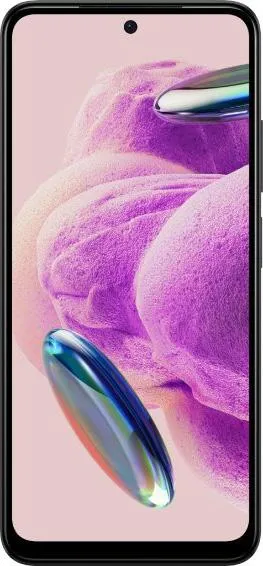
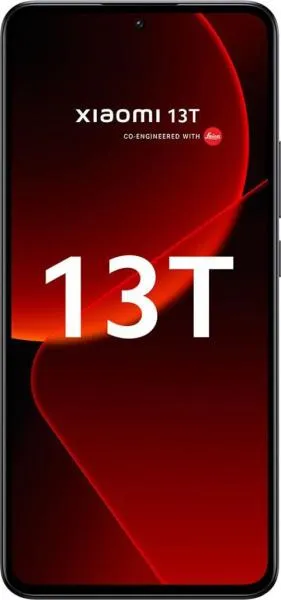
1. Specifications Comparison
| Feature | Xiaomi Redmi Note 12S | Xiaomi 13T | Practical Impact |
|---|---|---|---|
| Design | |||
| Dimensions (mm) | 159.9 x 73.9 x 8.1 | 162.2 x 75.7 x 8.5 | 13T is slightly larger and thicker. |
| Weight (g) | 176 | 213 | 13T is noticeably heavier. |
| Display | |||
| Display Type | AMOLED, 90Hz | AMOLED, 144Hz | 13T offers smoother scrolling and animations with its higher refresh rate. |
| Display Size (inches) | 6.43 | 6.67 | 13T has a larger screen, providing more immersive content consumption. |
| Resolution | 1080 x 2400 | 1220 x 2712 | 13T boasts a sharper display. |
| Peak Brightness (nits) | 1000 | 2600 | 13T is significantly brighter, ensuring better visibility outdoors. |
| HDR Support | No Dolby Vision, HDR10/10+ data missing | Dolby Vision, HDR10+ | 13T offers superior dynamic range and color accuracy in compatible content. |
| Performance | |||
| Chipset | Mediatek Helio G96 (12nm) | Mediatek Dimensity 8200 Ultra (4nm) | 13T's significantly more powerful and efficient chipset allows for smoother multitasking, demanding gaming, and faster app loading. |
| CPU | Octa-core (2x2.05 GHz Cortex-A76 & 6x2.0 GHz Cortex-A55) | Octa-core (1x3.1 GHz Cortex-A78 & 3x3.0 GHz Cortex-A78 & 4x2.0 GHz Cortex-A55) | 13T offers a substantial performance upgrade with faster and more efficient cores. |
| GPU | Mali-G57 MC2 | Mali-G610 MC6 | 13T provides a major leap in graphics performance, enabling higher quality gaming and smoother graphics-intensive tasks. |
| RAM | 6/8GB | 8/12GB | 13T offers more RAM in its higher-end configuration, improving multitasking. |
| Camera | |||
| Main Camera | 108MP, f/1.8 | 50MP, f/1.9, Sony IMX707 | While 12S has higher resolution, 13T likely produces better image quality due to a larger sensor (IMX707) known for excellent low-light performance. |
| Telephoto | No | 50MP, f/1.9 | 13T features a dedicated telephoto lens for optical zoom. |
| Video Recording | 1080p@30fps | 4K@30fps with HDR, EIS, up to 960fps slow-mo | 13T offers significantly better video recording capabilities with higher resolution, HDR, and advanced slow-motion. |
| Battery | |||
| Capacity | 5000 mAh | 5000 mAh | Similar battery capacities, but 13T's more efficient chipset might translate to better battery life. |
2. Key Differences Analysis
Xiaomi 13T Advantages:
- Significantly superior performance: Dimensity 8200 Ultra outclasses Helio G96 in all aspects.
- Much better display: Higher refresh rate, resolution, peak brightness, and HDR support.
- More advanced camera system: Higher quality main and telephoto sensors, 4K video recording, and better slow-motion capabilities.
- Faster Charging: While not explicitly stated, the 13T likely supports faster charging than the Note 12S, given its higher price point and newer technology.
Xiaomi Redmi Note 12S Advantages:
- Lower price: Offers a more budget-friendly option.
- Lighter and slightly smaller: Might be preferred by users seeking a more compact phone.
3. User Profiles & Recommendations
Xiaomi 13T: Users who prioritize performance, a high-quality display, excellent camera capabilities, and future-proofing. Ideal for demanding gaming, content creation, and multimedia consumption.
Xiaomi Redmi Note 12S: Budget-conscious users who prioritize basic functionality, social media, casual gaming, and everyday tasks. Best for users who don't need top-tier performance or camera features.
4. Decision Framework
Key Questions for Buyers:
- What is your budget? The 13T is significantly more expensive.
- What are your primary smartphone usage patterns? (Gaming, photography, social media, etc.)
- How important are performance and display quality?
My Choice: Xiaomi 13T
While the Redmi Note 12S is a decent budget option, the Xiaomi 13T offers a significant upgrade in every crucial aspect, justifying the price difference for most users. The superior processor, display, camera system, and potential for faster charging make it a much more compelling device for a long-term investment. The improved performance and future-proof features (like 5G and WiFi 7) ensure a smoother and more enjoyable user experience for years to come. While the increased weight might be a minor drawback, the substantial benefits outweigh this minor inconvenience for me.
