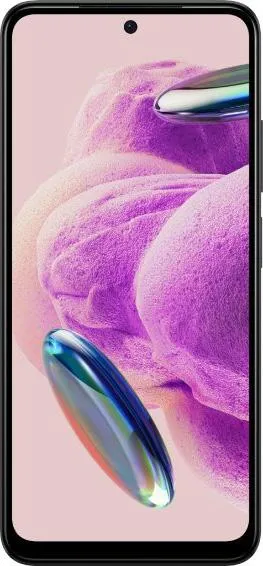

1. Specifications Comparison
| Feature | Xiaomi Redmi Note 12S | vivo X100 Pro | Practical Impact |
|---|---|---|---|
| Design | |||
| Dimensions (mm) | 159.9 x 73.9 x 8.1 | 164.1 x 75.3 x 8.9 | X100 Pro is slightly larger and heavier. |
| Weight (g) | 176 | 221 | Noticeable weight difference; 12S is more pocketable. |
| Build | Unspecified | Unspecified | Build quality and material impact durability and premium feel; information lacking. |
| Display | |||
| Display Type | AMOLED, 90Hz | LTPO AMOLED, 120Hz | X100 Pro offers smoother scrolling and animations with higher refresh rate and potentially better battery life due to LTPO's variable refresh rate. |
| Size (inches) | 6.43 | 6.78 | X100 Pro provides a larger viewing area for media consumption. |
| Resolution | 1080 x 2400 | 1260 x 2800 | X100 Pro has a sharper display. |
| Peak Brightness (nits) | 1000 | 3000 | X100 Pro will be significantly more readable in direct sunlight. |
| Color Depth | Unspecified | 1B colors | X100 Pro likely offers richer, more accurate colors. |
| HDR | No Dolby Vision specified | HDR10+ | X100 Pro supports HDR content for a wider dynamic range and better visuals. |
| Performance | |||
| Chipset | Mediatek Helio G96 (12nm) | Mediatek Dimensity 9300 (4nm) | X100 Pro will have significantly better performance and power efficiency due to a more advanced and smaller node size chipset. |
| CPU | Octa-core (2x2.05 GHz A76 & 6x2.0 GHz A55) | Octa-core (1x3.25 GHz X4 & 3x2.85 GHz X4 & 4x2.0 GHz A720) | X100 Pro's CPU has a much more powerful core configuration resulting in faster processing and multitasking. |
| GPU | Mali-G57 MC2 | Immortalis-G720 MC12 | X100 Pro offers superior graphics performance for demanding games and applications. |
| RAM | 6/8GB | 16GB | X100 Pro has significantly more RAM, enabling smoother multitasking and handling of demanding apps. |
| Camera | |||
| Main Camera | 108MP, f/1.8 | 50MP, f/1.75, 1-inch sensor | While the 12S has higher resolution, the X100 Pro likely performs better in low light and overall image quality due to its larger sensor size and wider aperture. |
| Ultrawide | 8MP, f/2.2 | 50MP, f/2.0 | X100 Pro offers a much higher resolution ultrawide camera. |
| Telephoto | No | 50MP, f/2.5 with OIS & Zeiss Optics | X100 Pro offers optical zoom and superior image quality with telephoto lens, OIS, and Zeiss enhancements. |
| Video Recording | 1080p@30fps | 8K@30fps | X100 Pro offers significantly higher resolution video recording capabilities. |
| Battery | |||
| Capacity (mAh) | 5000 | 5400 | X100 Pro has a slightly larger battery capacity. |
| Charging Speed | Unspecified | Unspecified | Charging speed significantly impacts usability; information is missing for both. |
2. Key Differences Analysis
Xiaomi Redmi Note 12S Advantages:
- More Affordable: Likely significantly cheaper.
- Lighter and More Compact: Easier to handle and carry.
vivo X100 Pro Advantages:
- Superior Performance: Significantly faster processor, GPU, and more RAM.
- Better Display: Higher resolution, refresh rate, brightness, and color depth.
- More Advanced Camera System: Larger sensor, optical zoom, higher quality ultrawide, and better video recording.
- Slightly Larger Battery: Potentially longer battery life.
- More Future-Proof: Newer OS version, 5G connectivity, WiFi 7 support, and USB 3.2.
3. User Profiles & Recommendations
Xiaomi Redmi Note 12S: Budget-conscious users who prioritize basic functionality, affordability, and a lightweight design. Suitable for everyday tasks like social media, web browsing, and casual photography.
vivo X100 Pro: Users who demand top-tier performance, a premium display, advanced camera capabilities, and the latest technology. Ideal for mobile gaming, content creation, photography enthusiasts, and those seeking a future-proof device.
4. Decision Framework
Key Questions for Buyers:
- What is your budget? The X100 Pro is positioned as a higher-end device with a significantly higher price tag.
- What are your primary smartphone usage patterns? Casual use vs. demanding tasks like gaming or professional photography.
- How important are features like display quality, camera capabilities, and performance?
My Choice: vivo X100 Pro
While significantly more expensive, the vivo X100 Pro offers a substantial upgrade in almost every aspect. Its superior performance, stunning display, advanced camera system, and future-proof features justify the higher price for me. The Redmi Note 12S is a decent budget option, but the X100 Pro's advantages in key areas like the camera and performance are crucial for my usage, which includes mobile photography and demanding applications. The longer software support and newer connectivity standards also contribute to a more future-proof investment. While I acknowledge the weight difference, the performance and feature benefits of the X100 Pro outweigh the portability advantage of the 12S in my personal use case.
