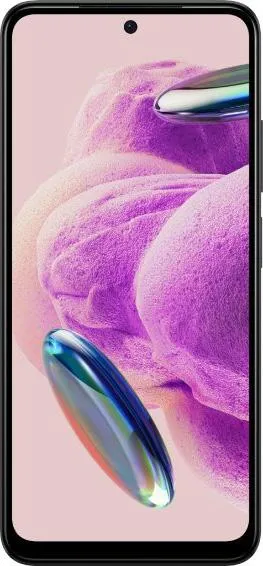

1. Specifications Comparison
| Feature | Xiaomi Redmi Note 12S | vivo V30 | Practical Impact |
|---|---|---|---|
| Design | |||
| Dimensions (mm) | 159.9 x 73.9 x 8.1 | 164.4 x 75.1 x 7.5 | The Vivo V30 is slightly larger and heavier. |
| Weight (g) | 176 | 186 | The Redmi Note 12S is noticeably lighter for extended use. |
| Display | |||
| Size (inches) | 6.43 | 6.78 | The Vivo V30 offers a significantly larger screen for media consumption. |
| Resolution | 1080 x 2400 | 1260 x 2800 | The Vivo V30 has a sharper display due to higher resolution and pixel density. |
| Refresh Rate (Hz) | 90 | 120 | The Vivo V30 provides smoother scrolling and animations thanks to the higher refresh rate. |
| Display Type | AMOLED | AMOLED | Both offer vibrant colors and deep blacks. |
| Peak Brightness (nits) | 1000 | 2800 (peak) | The Vivo V30 boasts much higher peak brightness, ensuring excellent outdoor visibility. While the Vivo's typical brightness is not specified, the significantly higher peak brightness suggests superior overall visibility. |
| Performance | |||
| Chipset | Mediatek Helio G96 (12 nm) | Qualcomm Snapdragon 7 Gen 3 (4 nm) | The Snapdragon 7 Gen 3 in the Vivo V30 offers significantly better performance and efficiency due to its more advanced architecture and smaller manufacturing process. |
| CPU | Octa-core (2x2.05 GHz Cortex-A76 & 6x2.0 GHz Cortex-A55) | Octa-core (1x2.63 GHz Cortex-A715 & 3x2.4 GHz Cortex-A715 & 4x1.8 GHz Cortex-A510) | The Vivo V30's CPU has newer and faster cores, resulting in a more responsive user experience. |
| GPU | Mali-G57 MC2 | Adreno 720 | The Adreno 720 in the Vivo V30 offers significantly improved graphics performance for demanding games and applications. |
| RAM (GB) | 6/8 | 8 | While both offer ample RAM, the Vivo V30's 8GB ensures smoother multitasking. |
| Camera | |||
| Main Camera (MP) | 108 | 50 | While the Redmi has a higher megapixel count, the Vivo V30 utilizes a larger sensor (1/1.55") compared to the Redmi's (1/1.52"), potentially offering better low-light performance. Megapixel count doesn't directly translate to image quality. |
| Video Recording | 1080p@30fps | 4K@30fps with EIS | The Vivo V30 allows for higher resolution video recording with Electronic Image Stabilization (EIS) for smoother footage. |
| Battery | |||
| Capacity (mAh) | 5000 | 5000 | Both phones have the same battery capacity. Actual battery life will depend on usage and the Vivo's more efficient processor might offer longer usage times. |
2. Key Differences Analysis
Xiaomi Redmi Note 12S Advantages:
- Lighter and more compact: Easier to handle and carry.
- Potentially more affordable: Depending on specific market prices.
vivo V30 Advantages:
- Significantly better performance: Smoother multitasking, gaming, and overall user experience.
- Sharper and brighter display: Enhanced media consumption and outdoor visibility.
- Higher resolution video recording with EIS: Superior video quality.
- More modern OS and longer software support: Android 14 out of the box with update to Android 16 guaranteed.
- 5G Connectivity: Future-proofed for faster network speeds (Significant advantage).
3. User Profiles & Recommendations
Xiaomi Redmi Note 12S: Budget-conscious users who prioritize basic functionality, a lightweight design, and affordability. Suitable for everyday tasks like calling, messaging, web browsing, and light gaming.
vivo V30: Users who value performance, a high-quality display, and future-proof features like 5G. Suitable for demanding tasks like gaming, video editing, and heavy multitasking. Also, a good choice for those who prioritize having the latest software and security updates.
4. Decision Framework
Key Questions for Buyers:
- What is your budget? The Redmi Note 12S is likely more affordable.
- What are your primary smartphone usage patterns? The Vivo V30 is better for demanding tasks.
- How important is future-proofing and software updates? The Vivo V30 offers longer support and 5G.
My Choice: vivo V30
While the Redmi Note 12S offers a compelling price point, the vivo V30 is the superior device overall. The significantly improved performance, brighter and sharper display with a higher refresh rate, better camera capabilities including 4K video recording, and longer software support including guaranteed updates to Android 16 make it a much more compelling choice. The addition of 5G connectivity future-proofs the device for several years. The slightly higher price is justified by the significant advancements in key areas that impact daily user experience. The lighter weight of the Redmi Note 12S is a plus, but the overall advantages of the Vivo V30 significantly outweigh this single benefit.
