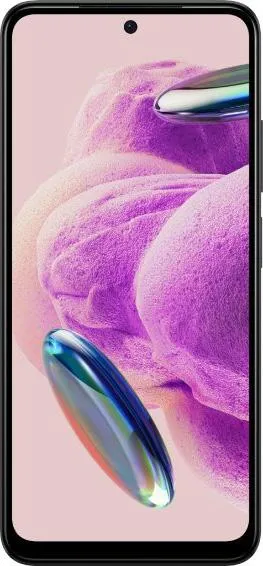
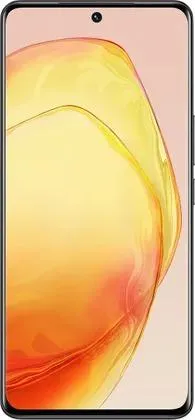
1. Specifications Comparison
| Feature | Xiaomi Redmi Note 12S | vivo V29 | Practical Impact |
|---|---|---|---|
| Design | |||
| Dimensions (mm) | 159.9 x 73.9 x 8.1 | 164.2 x 74.4 x 7.5 | The Vivo V29 is slightly larger and heavier. |
| Weight (g) | 176 | 186 | The Redmi Note 12S is noticeably lighter for extended use. |
| Fingerprint Sensor | Side-mounted | Under-display | Preference-based, under-display is often perceived as more modern. |
| Display | |||
| Size (inches) | 6.43 | 6.78 | The Vivo V29 offers a significantly larger screen for media consumption. |
| Resolution (px) | 1080 x 2400 | 1260 x 2800 | The Vivo V29 has a sharper display due to higher resolution and pixel density. |
| Refresh Rate (Hz) | 90 | 120 | The Vivo V29 provides smoother scrolling and animations. |
| Display Type | AMOLED | AMOLED | Both offer vibrant colors and deep blacks. |
| Peak Brightness (nits) | 1000 | 1300 | Vivo V29 will be more visible in direct sunlight. |
| HDR | No HDR data | HDR10+ | Vivo V29 supports HDR content for a wider dynamic range and richer colors. |
| Performance | |||
| Chipset | Mediatek Helio G96 (12nm) | Snapdragon 778G 5G (6nm) | The Snapdragon 778G in the Vivo V29 is significantly more powerful and efficient. |
| CPU | Octa-core (2x2.05 GHz A76 & 6x2.0 GHz A55) | Octa-core (1x2.4 GHz A78 & 3x2.2 GHz A78 & 4x1.9 GHz A55) | Vivo V29 offers better performance in demanding tasks and multitasking. |
| GPU | Mali-G57 MC2 | Adreno 642L | Vivo V29 boasts superior graphics performance for gaming. |
| RAM (GB) | 6/8 | 8/12 | Vivo V29 offers more RAM in its base configuration for smoother multitasking. |
| Camera | |||
| Main Camera (MP) | 108 | 50 | Megapixel count isn't everything; image quality depends on sensor size and processing. Redmi has a higher MP count, but Vivo might have better overall image quality depending on sensor and software. |
| Front Camera (MP) | 16 | 50 | The Vivo V29 boasts a significantly higher resolution front camera for better selfies. |
| Video Recording | 1080p@30fps | 4K@30fps | The Vivo V29 can record video at a much higher resolution. |
| Optical Image Stabilization | No | Yes | Vivo V29 will have significantly more stable video recording. |
| Battery | |||
| Capacity (mAh) | 5000 | 4600 | The Redmi Note 12S has a larger battery capacity, potentially leading to longer battery life. |
| Other | |||
| 5G Connectivity | No | Yes | Vivo V29 offers faster cellular data speeds and future-proofing. |
| OS Updates | Android 13, unclear future updates | Android 13, upgradable to Android 16 | Vivo V29 has a confirmed longer software update lifecycle. |
| Price | Lower | Higher | The Redmi Note 12S is significantly more affordable. |
2. Key Differences Analysis
Xiaomi Redmi Note 12S Advantages:
- Lower Price: Significantly more affordable.
- Larger Battery: Potentially longer battery life.
- Lighter Weight: More comfortable for extended use.
vivo V29 Advantages:
- Significantly Better Performance: The Snapdragon 778G provides a noticeable improvement in speed and efficiency for demanding tasks and gaming.
- Superior Display: Larger, sharper, smoother, and brighter with HDR10+ support.
- 5G Connectivity: Faster data speeds and future-proofing.
- Longer Software Support: Guaranteed updates to Android 16.
- Better Video Recording: 4K resolution and Optical Image Stabilization.
3. User Profiles & Recommendations
Xiaomi Redmi Note 12S: Budget-conscious users prioritizing battery life and affordability for basic tasks like calling, texting, browsing, and social media.
vivo V29: Users prioritizing performance, display quality, camera capabilities (specifically video), and future-proofing with 5G and longer software support. Suitable for demanding tasks, gaming, and media consumption.
4. Decision Framework
Key Questions for Buyers:
- What is your budget? The Redmi Note 12S is a clear winner for budget-conscious buyers.
- What are your primary use cases? For demanding tasks, gaming, and media consumption, the Vivo V29 is superior. For basic tasks, the Redmi Note 12S is sufficient.
- How important are future-proofing and software updates? The Vivo V29 offers 5G and longer software updates.
My Choice: vivo V29
While the Redmi Note 12S offers excellent value for its price, the vivo V29's superior performance, display, camera, and future-proofing make it a more compelling choice for me. The Snapdragon 778G offers a significantly better user experience for demanding tasks and gaming, and the improved display and camera are substantial upgrades. The price difference is noticeable, but the Vivo V29 offers a worthwhile jump in overall quality and longevity. I prioritize a smooth and future-proof experience, and the guaranteed software updates solidify the Vivo V29 as the better long-term investment.
