1. Specifications Comparison
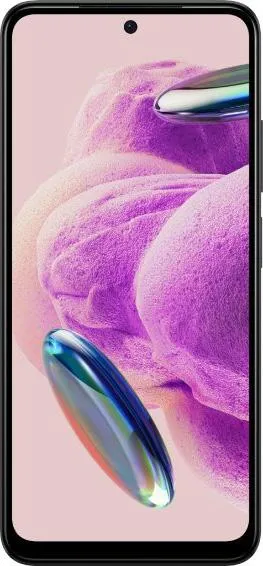
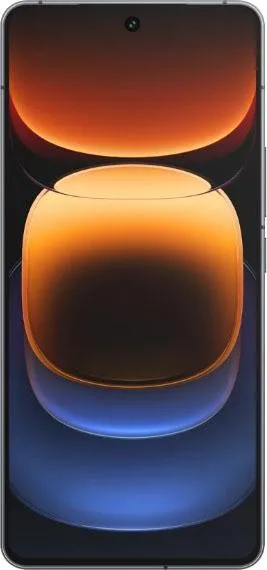
| Feature | Xiaomi Redmi Note 12S | vivo iQOO 12 | Practical Impact |
|---|---|---|---|
| Design | |||
| Dimensions (mm) | 159.9 x 73.9 x 8.1 | 163.2 x 75.9 x 8.1 | iQOO 12 is slightly larger and heavier. |
| Weight (g) | 176 | 198.5 | Redmi Note 12S is noticeably lighter for one-handed use. |
| Display | |||
| Display Type | AMOLED, 90Hz | LTPO AMOLED, 144Hz | iQOO 12 has a smoother, more responsive display with variable refresh rate for power saving. Its higher peak brightness (3000 nits vs 1000 nits) ensures better visibility in direct sunlight. |
| Display Size (inches) | 6.43 | 6.78 | iQOO 12 offers a larger screen for more immersive content consumption. |
| Resolution | 1080 x 2400 | 1260 x 2800 | iQOO 12 has a sharper display. |
| Performance | |||
| Chipset | Mediatek Helio G96 (12nm) | Snapdragon 8 Gen 3 (4nm) | iQOO 12 boasts significantly faster CPU and GPU performance for demanding tasks and gaming. The more efficient 4nm process also improves battery life. |
| RAM | 6GB/8GB | 12GB/16GB | iQOO 12 offers much more RAM, enabling smoother multitasking and better performance with demanding apps. |
| OS | Android 13 | Android 14 | iQOO 12 comes with the latest Android version and guaranteed updates to Android 16, offering newer features and longer software support. |
| Camera | |||
| Main Camera | 108MP, f/1.8 | 50MP, f/1.69 | While Redmi Note 12S has a higher resolution, iQOO 12 likely offers better low-light performance due to its larger sensor and wider aperture. |
| Video Recording | 1080p@30fps | Up to 8K@30fps | iQOO 12 provides significantly superior video recording capabilities. |
| Battery | |||
| Capacity | 5000 mAh | 5000 mAh | Similar battery capacity. iQOO 12's more efficient chipset likely results in better battery life. |
2. Key Differences Analysis
Xiaomi Redmi Note 12S Advantages:
- Lighter and more compact: Easier for one-handed use and portability.
- More affordable: Offers good value for its price.
vivo iQOO 12 Advantages:
- Significantly more powerful: Superior performance for gaming and demanding applications.
- Higher quality display: Smoother, brighter, and sharper with HDR10+ support.
- More advanced camera system: Better low-light photography and superior video recording capabilities.
- Longer software support: Guaranteed updates to Android 16.
3. User Profiles & Recommendations
Redmi Note 12S: Budget-conscious users who prioritize basic smartphone functionalities like calling, texting, social media browsing, and casual photography. Good for light gaming and everyday tasks.
vivo iQOO 12: Users who demand top-tier performance for gaming, demanding applications, and multimedia consumption. Ideal for power users, photographers, and videographers.
4. Decision Framework
Key Questions for Buyers:
- What is your budget? Redmi Note 12S offers better value in the lower price range.
- What are your primary use cases? For basic tasks, Redmi Note 12S is sufficient. For demanding tasks and gaming, iQOO 12 is necessary.
- How important is display quality and camera performance? iQOO 12 offers a noticeable upgrade in both areas.
My Choice: vivo iQOO 12
While the Redmi Note 12S is a decent budget option, the vivo iQOO 12 offers a significant leap in performance, display quality, and camera capabilities. The Snapdragon 8 Gen 3, coupled with ample RAM and a high refresh rate LTPO AMOLED display, ensures a smooth and responsive user experience. The advanced camera system and longer software support solidify its position as a future-proof device. While the price difference is substantial, the iQOO 12's superior features justify the investment for a user who values a premium smartphone experience. The slightly larger size and weight are minor trade-offs considering the overall package.
