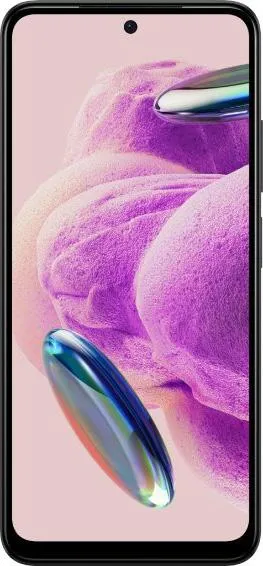
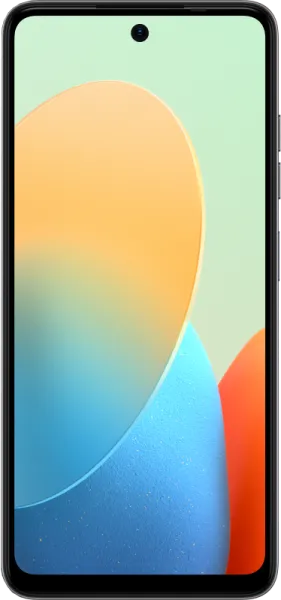
1. Specifications Comparison
| Feature | Xiaomi Redmi Note 12S | Tecno Spark Go 2024 | Practical Impact |
|---|---|---|---|
| Design | |||
| Dimensions (mm) | 159.9 x 73.9 x 8.1 | 163.7 x 75.6 x 8.6 | Redmi Note 12S is slightly smaller and thinner. |
| Weight (g) | 176 | 0 (Missing data - cannot compare) | Weight significantly impacts comfort; this information is crucial for a proper comparison. |
| Build | Not specified | Not specified | Material affects durability and premium feel; lacking information limits analysis. |
| Display | |||
| Display Type | AMOLED, 90Hz | IPS LCD, 90Hz | Redmi's AMOLED offers deeper blacks, vibrant colors, and potentially better power efficiency. Spark Go's LCD may be brighter outdoors. |
| Size (inches) | 6.43 | 6.6 | Spark Go has a slightly larger screen, offering a more immersive experience for media consumption. |
| Resolution | 1080 x 2400 | 720 x 1612 | Redmi Note 12S has a significantly sharper display (409 ppi vs 267 ppi), resulting in clearer text and images. |
| Peak Brightness | 1000 nits | Not specified | Redmi's higher peak brightness ensures better visibility in direct sunlight. Cannot fully compare without Spark Go's peak brightness. |
| Performance | |||
| Chipset | Mediatek Helio G96 | Unisoc T606 | Both are entry-level chipsets, but Helio G96 generally performs slightly better in benchmarks. Real-world differences may be minimal for basic tasks. |
| CPU | Octa-core (2x2.05 GHz A76 & 6x2.0 GHz A55) | Octa-core (2x1.6 GHz A75 & 6x1.6 GHz A55) | Redmi Note 12S likely offers slightly better performance in demanding tasks due to higher clock speeds and more powerful A76 cores. |
| GPU | Mali-G57 MC2 | Mali-G57 MP1 | Redmi's MC2 variant should offer better graphical performance for gaming. |
| RAM | 6GB/8GB | 4GB | Redmi Note 12S offers more RAM options, enabling smoother multitasking and better performance with multiple apps. |
| Camera | |||
| Main Camera | 108MP | 13MP | Redmi Note 12S boasts a much higher resolution main camera, potentially capturing more detail. Image quality depends on factors beyond resolution. |
| Other Cameras | 8MP ultrawide, 2MP macro, 16MP selfie | 0.1MP (unknown), 8MP selfie | Redmi offers a more versatile camera setup with an ultrawide lens. The purpose of Spark Go's 0.1MP camera is unclear. |
| Battery | |||
| Capacity | 5000 mAh | 5000 mAh | Similar battery capacities suggest comparable battery life, though actual usage will vary based on other factors. |
| Charging Speed | Not specified | Not specified | Charging speed significantly impacts usability; this missing information hinders a complete comparison. |
| Other | |||
| NFC | Yes | No | Redmi Note 12S supports contactless payments and data transfer via NFC. |
| OS | Android 13 | Android 13 | Both run on the latest Android version. |
| Price | Mid-range | Mid-range | Specific prices needed for a price-to-value comparison. Based on available data, the Redmi Note 12S seems to offer better specs for a similar price range. |
2. Key Differences Analysis
Xiaomi Redmi Note 12S Advantages:
- Superior Display: AMOLED with higher resolution and brightness.
- Better Performance: Slightly faster processor and GPU, more RAM options.
- More Versatile Camera: Higher resolution main camera and ultrawide lens.
- NFC: Supports contactless payments.
Tecno Spark Go 2024 Advantages:
- Slightly Larger Display: Better for media consumption if resolution isn't a priority.
- Potentially Lower Price: Could offer better value depending on the specific price difference. (Specific pricing information needed for accurate assessment).
Trade-offs:
- Redmi Note 12S: Potentially more expensive, though offers superior specs.
- Tecno Spark Go 2024: Lower resolution display, less powerful performance, basic camera setup, lacks NFC. However, it might be significantly cheaper.
3. User Profiles & Recommendations
Xiaomi Redmi Note 12S: Users who prioritize display quality, performance, camera versatility, and features like NFC. Suitable for gaming, photography, and general use.
Tecno Spark Go 2024: Users on a tight budget who primarily use their phone for basic tasks like calling, texting, and browsing. Suitable for users who prioritize a large screen over resolution and performance.
4. Decision Framework
Key Questions for Buyers:
- What is your budget? The Spark Go 2024 might be a better option for extremely tight budgets.
- What are your primary phone usage patterns? For demanding tasks, the Redmi Note 12S is superior. For basic communication and light browsing, the Spark Go might suffice.
- Which features are most important to you? Prioritize display quality, performance, and camera? Choose the Redmi Note 12S. Prioritize a large screen and affordability above all else? Consider the Spark Go 2024.
My Choice: Xiaomi Redmi Note 12S
While lacking some specific details like weight and charging speeds for the Tecno Spark Go 2024 makes a definitive comparison challenging, based on the available information, I would choose the Xiaomi Redmi Note 12S.
Reasons:
- The significantly better display (AMOLED, higher resolution, higher brightness) is a major factor for me.
- The performance advantage, while not massive, is noticeable for smoother multitasking and gaming.
- The more versatile camera system, including the ultrawide lens and higher resolution main sensor, provides greater creative flexibility.
- The inclusion of NFC is essential for contactless payments and adds convenience.
Even if the Spark Go 2024 is significantly cheaper, the compromises in display, performance, camera, and features like NFC are too substantial for me personally. The Redmi Note 12S offers a much more well-rounded and future-proof package. I value the better user experience that the superior hardware of the Redmi Note 12S provides.
