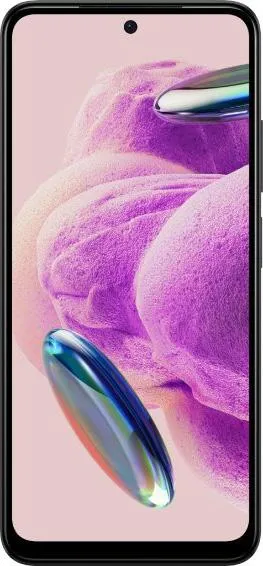
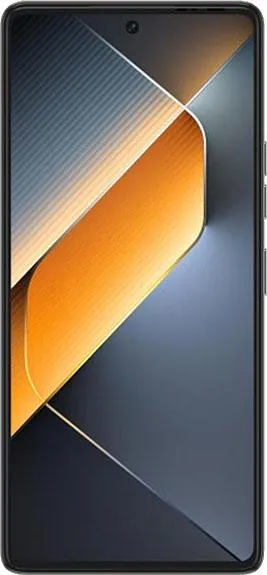
1. Specifications Comparison
| Feature | Xiaomi Redmi Note 12S | Tecno Pova 6 Pro | Practical Impact |
|---|---|---|---|
| Design | |||
| Dimensions (mm) | 159.9 x 73.9 x 8.1 | 165.5 x 76.1 x 7.9 | Pova 6 Pro is slightly larger and heavier. |
| Weight (g) | 176 | 198 | Noticeable weight difference; Redmi is more pocketable. |
| Fingerprint Sensor | Side-mounted | Under-display | Preference-based; both are reliable unlocking methods. |
| Display | |||
| Display Size (inches) | 6.43 | 6.78 | Pova 6 Pro offers a larger screen for media consumption. |
| Display Type | AMOLED, 90Hz | AMOLED, 120Hz | Pova 6 Pro's 120Hz offers smoother scrolling and animations. |
| Peak Brightness (nits) | 1000 | 1300 | Pova 6 Pro is brighter, improving outdoor visibility. |
| Performance | |||
| Chipset | Mediatek Helio G96 (12nm) | Mediatek Dimensity 6080 (6nm) | Dimensity 6080 is more power-efficient and likely performs better in demanding tasks. |
| CPU | Octa-core (2x2.05 GHz A76 & 6x2.0 GHz A55) | Octa-core (2x2.4 GHz A76 & 6x2.0 GHz A55) | Pova 6 Pro has slightly faster clock speeds on performance cores, potentially offering a slight edge in speed. |
| GPU | Mali-G57 MC2 | Mali-G57 MC2 | Similar GPUs, but the Dimensity 6080's smaller process node could mean better sustained performance. |
| RAM | 6/8GB | 12GB | Pova 6 Pro offers significantly more RAM, enabling better multitasking and app retention. |
| Camera | |||
| Main Camera (MP) | 108 | 108 | Similar resolution; image quality will depend on sensor and processing. |
| Selfie Camera (MP) | 16 | 32 | Pova 6 Pro has a higher resolution selfie camera. |
| Video Recording | 1080p@30fps | 1440p@30fps, 1080p@60fps | Pova 6 Pro offers higher resolution and frame rate video recording. |
| Battery | |||
| Capacity (mAh) | 5000 | 6000 | Pova 6 Pro offers significantly longer battery life. |
| Charging Speed | Not specified | Not specified | Cannot compare charging speeds without specific data. |
2. Key Differences Analysis
Xiaomi Redmi Note 12S Advantages:
- More Compact and Lighter: Easier to handle and carry.
- Potentially More Affordable: Depending on specific configurations.
Tecno Pova 6 Pro Advantages:
- Larger, Smoother Display: More immersive media experience.
- More Powerful and Efficient Chipset: Better performance and battery life.
- Significantly More RAM: Superior multitasking.
- Higher Resolution Selfie Camera and Video Recording: Better for vlogging and video calls.
- Larger Battery: Longer usage time between charges.
- 5G Connectivity: Future-proofed for faster data speeds (depending on region).
3. User Profiles & Recommendations
Xiaomi Redmi Note 12S:
- Ideal User: Budget-conscious users prioritizing portability and basic smartphone functionality.
- Use Cases: Casual web browsing, social media, light gaming, calling, and texting.
Tecno Pova 6 Pro:
- Ideal User: Power users, gamers, and content consumers who value a large, smooth display, long battery life, and strong performance.
- Use Cases: Demanding gaming, media consumption (videos, movies), multitasking, content creation, and areas with 5G availability.
4. Decision Framework
Key Questions for Buyers:
- What is your budget? The Redmi Note 12S is likely more affordable.
- What screen size and refresh rate do you prefer? The Pova 6 Pro offers a larger, smoother display.
- What is your primary usage? Casual use vs. demanding tasks and gaming.
My Choice: Tecno Pova 6 Pro
While I acknowledge the Redmi Note 12S's advantages in portability and potential affordability, the Tecno Pova 6 Pro offers a compelling package for my needs. The larger, 120Hz AMOLED display, combined with the more powerful Dimensity 6080 processor and substantial 12GB of RAM, ensures a smoother and more responsive user experience for demanding tasks and gaming. The significant increase in battery capacity and the inclusion of 5G connectivity further solidify its appeal for long-term use. While slightly larger and heavier, the benefits in performance, battery life, and future-proofing outweigh the size difference for me. The higher resolution selfie camera and enhanced video recording capabilities are also valuable additions. Ultimately, the Pova 6 Pro offers a better balance of performance, features, and future-proof capabilities.
