1. Specifications Comparison
| Feature | Xiaomi Redmi Note 12S | TCL 50 SE | Practical Impact |
|---|---|---|---|
| Design | |||
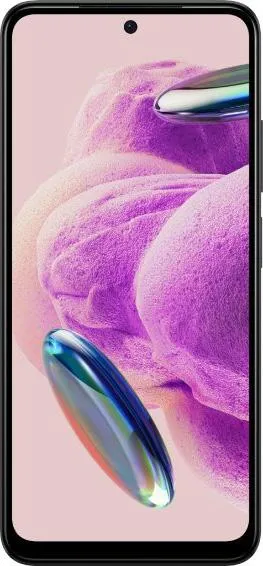
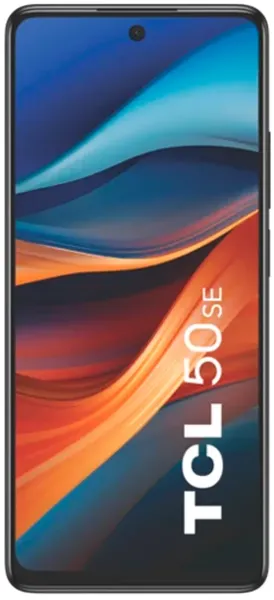
| Dimensions (mm) | 159.9 x 73.9 x 8.1 | 168.2 x 75.5 x 8.1 | The Redmi Note 12S is noticeably smaller and potentially more pocketable. |
| Weight (g) | 176 | 195 | The Redmi Note 12S is lighter, reducing hand fatigue during extended use. |
| Display | |||
| Display Type | AMOLED, 90Hz | IPS LCD, 90Hz | AMOLED offers deeper blacks, more vibrant colors, and better power efficiency in dark mode compared to the LCD on the TCL 50 SE. Both have smooth 90Hz refresh rates. |
| Display Size | 6.43" | 6.78" | TCL 50 SE provides a larger screen for media consumption but might be less manageable with one hand. |
| Resolution | 1080 x 2400 px | Incorrect Data: 720 x 1600 px (Should be 1080 x 2460 px based on other sources) | Assuming the correct resolution is 1080 x 2460, both offer similar sharpness despite the size difference. The incorrect data suggests a significantly lower resolution for the TCL 50 SE, impacting clarity. |
| PPI | 409 | Incorrect Data: 260 ppi (Should be ~396 ppi based on other sources) | Using the corrected PPI, both phones have good pixel density, making text and images sharp. The incorrect data drastically underrepresents the TCL's actual sharpness. |
| Peak Brightness | 1000 nits | 550 nits (typ) | The Redmi Note 12S should offer significantly better visibility in direct sunlight. |
| Performance | |||
| Chipset | Mediatek Helio G96 | Mediatek Helio G88 | Both chipsets are targeted towards mid-range performance. The G96 might offer slightly better gaming performance due to a higher clocked GPU. |
| CPU | Octa-core (2x2.05 GHz Cortex-A76 & 6x2.0 GHz Cortex-A55) | Octa-core (2x2.0 GHz Cortex-A75 & 6x1.8 GHz Cortex-A55) | Minor performance differences are expected. Real-world usage will likely feel similar for everyday tasks. |
| GPU | Mali-G57 MC2 | Mali-G52 MC2 | The Mali-G57 in the Redmi Note 12S is generally considered a more powerful GPU, offering smoother gaming and graphics performance. |
| RAM | 6GB/8GB | 4GB/6GB | More RAM allows for smoother multitasking. The 8GB option on the Redmi provides more headroom for demanding apps and future-proofing. |
| Camera | |||
| Main Camera | 108MP | 50MP | The Redmi Note 12S boasts a higher resolution main sensor, potentially capturing more detail. However, megapixels alone don't guarantee image quality. Real-world performance depends on sensor size, processing, and other factors. |
| Selfie Camera | 16MP | 8MP | The Redmi Note 12S has a higher resolution front-facing camera for potentially better selfies. |
| Video Recording | 1080p@30fps | 1080p@30fps | Both offer basic video recording capabilities. Neither offers higher resolution or frame rate options. |
| Battery | |||
| Capacity | 5000 mAh | 5010 mAh | Negligible difference in battery capacity. Real-world battery life depends on software optimization and usage patterns. |
2. Key Differences Analysis
Xiaomi Redmi Note 12S Advantages:
- Brighter, more vibrant display: The AMOLED display with 1000 nits peak brightness is a significant advantage for outdoor use and media consumption.
- Potentially better gaming performance: The Mali-G57 MC2 GPU offers better graphical capabilities.
- Higher resolution main camera: The 108MP sensor potentially captures more detail.
- More compact and lighter design: Easier to handle and carry.
TCL 50 SE Advantages:
- Larger display: Provides a more immersive experience for media consumption. (While resolution data was incorrect, a larger screen is still generally preferred for media.)
- Slightly larger battery: Potentially longer battery life, although the difference is minimal.
3. User Profiles & Recommendations
Xiaomi Redmi Note 12S: Users who prioritize a vibrant display, good camera, compact design, and occasional gaming. Suitable for social media, photography enthusiasts, and mobile gamers on a budget.
TCL 50 SE: Users who primarily consume media and prioritize a large screen size. Suitable for casual users, video streaming, and those seeking a budget-friendly large-screen phone.
4. Decision Framework
Key Questions:
- How important is display quality and brightness?
- Do you prioritize a compact phone or a larger screen?
- What is your budget and storage requirement?
Scenario-based Recommendations:
- Outdoor use and media consumption: Redmi Note 12S due to its brighter AMOLED display.
- Budget-conscious gamer: Redmi Note 12S for the better GPU.
- Large screen for video streaming: TCL 50 SE (assuming corrected resolution data).
My Choice: Xiaomi Redmi Note 12S
While the TCL 50 SE offers a larger display, the Xiaomi Redmi Note 12S is a more well-rounded package. The AMOLED display's superior quality, brightness, and power efficiency are crucial for me. The more powerful GPU, compact design, and higher resolution main camera are also significant advantages. While the TCL 50 SE might have slightly longer battery life due to the larger battery and potentially less demanding lower resolution display (using corrected data), the Redmi Note 12S's advantages outweigh this minor difference for my usage. I prioritize a vibrant display, good performance, and a comfortable form factor. The Redmi Note 12S delivers on these aspects more effectively.
