1. Specifications Comparison
| Feature | Xiaomi Redmi Note 12S | Sony Xperia 1 VI | Practical Impact |
|---|---|---|---|
| Design | |||
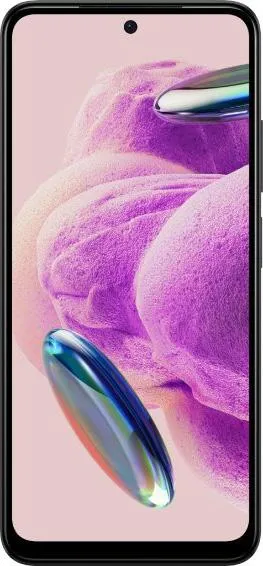
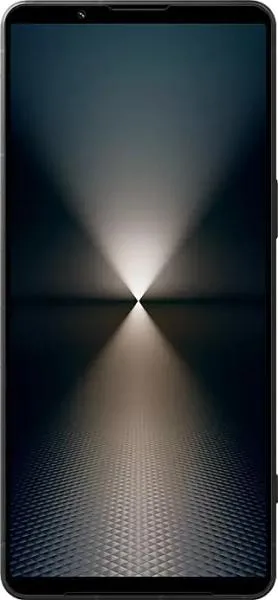
| Dimensions (mm) | 159.9 x 73.9 x 8.1 | 162 x 74 x 8.2 | Xperia 1 VI is slightly taller and thicker. Negligible difference in daily use. |
| Weight (g) | 176 | 192 | Redmi Note 12S is noticeably lighter, reducing hand fatigue during extended use. |
| Display | |||
| Display Type | AMOLED, 90Hz | LTPO OLED, 120Hz | Xperia 1 VI's LTPO panel offers smoother scrolling and potentially better battery life due to variable refresh rate. Higher peak brightness on the 12S (unspecified on Xperia). |
| Display Size (inches) | 6.43 | 6.5 | Virtually identical screen sizes. |
| Resolution | 1080 x 2400 | 1080 x 2340 | Comparable sharpness; minimal real-world difference. |
| Refresh Rate (Hz) | 90 | 120 | Xperia 1 VI offers smoother animations and transitions thanks to the higher refresh rate. |
| Performance | |||
| Chipset | Mediatek Helio G96 (12 nm) | Qualcomm Snapdragon 8 Gen 3 (4 nm) | Xperia 1 VI boasts significantly more powerful CPU and GPU, resulting in much faster performance, smoother multitasking, and better gaming capabilities. |
| CPU | Octa-core (2x2.05 GHz Cortex-A76 & 6x2.0 GHz Cortex-A55) | Octa-core (1x3.3 GHz Cortex-X4 & 3x3.2 GHz Cortex-A720 & 2x3.0 GHz Cortex-A720 & 2x2.3 GHz Cortex-A520) | Significant performance advantage for the Xperia 1 VI due to newer architecture and higher clock speeds. |
| RAM | 6GB/8GB | 12GB | Xperia 1 VI offers more RAM for seamless multitasking and demanding applications. |
| Camera | |||
| Main Camera (MP) | 108 | 48 | Redmi Note 12S has higher megapixel count, but Xperia 1 VI uses a larger sensor (1/1.4" vs 1/1.52") potentially offering better low-light performance and dynamic range. Xperia also features advanced features like optical zoom and 5-axis stabilization. |
| Video Recording | 1080p@30fps | Up to 4K@120fps with HDR, OIS, EIS | Xperia 1 VI offers significantly superior video recording capabilities with higher resolution, frame rates, and stabilization. |
| Battery | |||
| Capacity (mAh) | 5000 | 5000 | Identical battery capacity. Xperia's LTPO display may provide better battery efficiency in some scenarios. |
2. Key Differences Analysis
Xiaomi Redmi Note 12S Advantages:
- Lower Price: Significantly more affordable.
- Lighter Weight: More comfortable for extended use.
Sony Xperia 1 VI Advantages:
- Superior Performance: Significantly faster processor and more RAM.
- Smoother Display: 120Hz LTPO OLED panel.
- Advanced Camera System: Larger sensor, optical zoom, superior video recording capabilities.
- More Future-Proof: Newer Android version with longer update commitment (up to Android 17). Faster connectivity (Wifi 7, Bluetooth 5.4, USB 3.2)
Trade-offs:
- Price: Xperia 1 VI is significantly more expensive.
- Weight: Xperia 1 VI is heavier.
3. User Profiles & Recommendations
Xiaomi Redmi Note 12S:
- Budget-conscious users: Prioritize affordability.
- Casual users: Primarily use phone for basic tasks (social media, browsing, calling).
- Users seeking a lighter phone: Value comfort during extended use.
Sony Xperia 1 VI:
- Power users: Demand top-tier performance for gaming, multitasking, and demanding applications.
- Photography and videography enthusiasts: Prioritize advanced camera features and high-quality video recording.
- Tech enthusiasts: Value the latest hardware and software.
4. Decision Framework
Key Questions:
- What is your budget?
- What are your primary smartphone usage patterns?
- How important are performance, camera quality, and display smoothness to you?
Scenario-Based Recommendations:
- Limited Budget: Redmi Note 12S
- Balanced Needs: Redmi Note 12S (If budget is a major concern)
- Performance and Camera Focused: Xperia 1 VI
- Future-Proofing and Latest Tech: Xperia 1 VI
My Choice: Sony Xperia 1 VI
While significantly more expensive, the Sony Xperia 1 VI offers a substantial upgrade in performance, camera capabilities, and future-proofing. The Snapdragon 8 Gen 3, coupled with 12GB RAM, guarantees a smooth and powerful user experience for years to come. The advanced camera system with optical zoom and superior video recording capabilities caters to my photography and videography interests. Although heavier, the improved performance, display, and long-term value proposition outweigh the price and weight difference for my needs. I prioritize performance and longevity in a device and am willing to pay a premium for it.
