1. Specifications Comparison
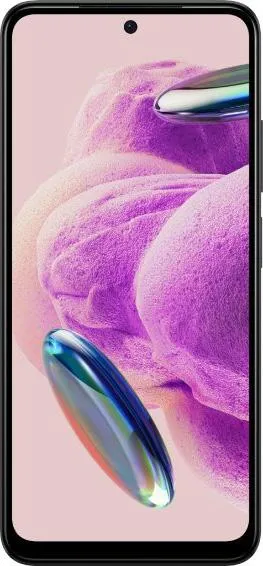
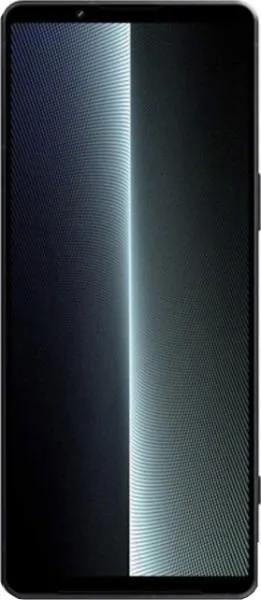
| Feature | Xiaomi Redmi Note 12S | Sony Xperia 1 V | Practical Impact |
|---|---|---|---|
| Design | |||
| Dimensions (mm) | 159.9 x 73.9 x 8.1 | 165 x 71 x 8.3 | Xperia 1 V is taller and narrower, potentially less comfortable for one-handed use. |
| Weight (g) | 176 | 187 | Xperia 1 V is slightly heavier. |
| Build | Not specified | Not specified | Build quality and material differences cannot be assessed. |
| Display | |||
| Display Type | AMOLED, 90Hz | OLED, 120Hz | Both offer excellent contrast and vibrant colors. Xperia 1 V's 120Hz provides smoother animations and scrolling. |
| Display Size (inches) | 6.43 | 6.5 | Negligible size difference. |
| Resolution | 1080 x 2400 | 1644 x 3840 | Xperia 1 V has a significantly sharper display with higher pixel density (643 ppi vs 409 ppi), resulting in crisper text and images. |
| Peak Brightness (nits) | 1000 | Not specified | Redmi Note 12S's higher peak brightness (as specified) ensures better visibility in direct sunlight. However, lacking Xperia's spec prevents a complete comparison. |
| Performance | |||
| Chipset | Mediatek Helio G96 (12 nm) | Qualcomm Snapdragon 8 Gen 2 (4 nm) | Xperia 1 V boasts a significantly more powerful processor, resulting in much faster performance, smoother multitasking, and better gaming capabilities. |
| CPU | Octa-core (2x2.05 GHz Cortex-A76 & 6x2.0 GHz Cortex-A55) | Octa-core (1x3.2 GHz Cortex-X3 & 2x2.8 GHz Cortex-A715 & 2x2.8 GHz Cortex-A710 & 3x2.0 GHz Cortex-A510) | Xperia 1 V has a more advanced CPU architecture with higher clock speeds, translating to a significant performance advantage. |
| GPU | Mali-G57 MC2 | Adreno 740 | Xperia 1 V's Adreno 740 GPU provides a major leap in graphics performance for demanding games and applications. |
| RAM | 6GB/8GB | 12GB | Xperia 1 V's larger RAM enables superior multitasking and smoother performance with demanding apps. |
| Camera | |||
| Main Camera | 108MP | 48MP (Sony IMX888) | While Redmi Note 12S has a higher megapixel count, Xperia 1 V utilizes a larger sensor (1/1.4") and advanced features like variable aperture for potentially better low-light performance and depth of field control. |
| Video Recording | 1080p@30fps | Up to 4K@120fps with HDR, OIS, EIS | Xperia 1 V offers significantly superior video recording capabilities with higher resolution, frame rates, and stabilization. |
| Battery | |||
| Capacity | 5000 mAh | 5000 mAh | Similar battery capacities suggest comparable battery life, but real-world usage will vary depending on software optimization and usage patterns. |
2. Key Differences Analysis
Xiaomi Redmi Note 12S Advantages:
- Potentially Lower Price: Belongs to a medium price range, significantly more affordable.
- Higher Resolution Main Camera (Numerically): 108MP sensor, though sensor size and other factors impact overall image quality.
Sony Xperia 1 V Advantages:
- Significantly More Powerful: Snapdragon 8 Gen 2 chip offers superior performance for gaming and demanding tasks.
- Sharper and Smoother Display: 120Hz refresh rate and much higher resolution for a premium visual experience.
- Superior Camera System: Advanced sensor technology, variable aperture, and professional-grade video recording capabilities.
- More RAM: 12GB ensures smooth multitasking and handling of demanding applications.
3. User Profiles & Recommendations
Xiaomi Redmi Note 12S: Budget-conscious users prioritizing basic smartphone functionality, casual photography, and long battery life.
Sony Xperia 1 V: Power users, mobile gamers, photography enthusiasts, and videographers seeking top-tier performance, a premium display, and advanced camera features.
4. Decision Framework
Key Questions for Buyers:
- What is your budget? The Redmi Note 12S is significantly more affordable.
- What are your primary use cases? Gaming, photography/videography, or everyday tasks?
- How important is raw performance and display quality? The Xperia 1 V excels in these areas.
My Choice: Sony Xperia 1 V
While the Xiaomi Redmi Note 12S offers good value for its price, the Sony Xperia 1 V is the clear winner for me. The significantly superior performance, stunning display, and advanced camera capabilities outweigh the higher price. I prioritize a smooth and responsive user experience, high-quality visuals, and the ability to capture excellent photos and videos. The Xperia 1 V's professional-grade features and future-proof specifications make it a worthwhile investment for my needs. While I acknowledge the price difference is substantial, the long-term benefits of a more powerful and capable device justify the premium for my usage pattern.
