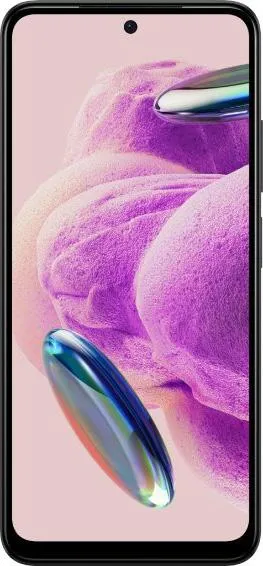
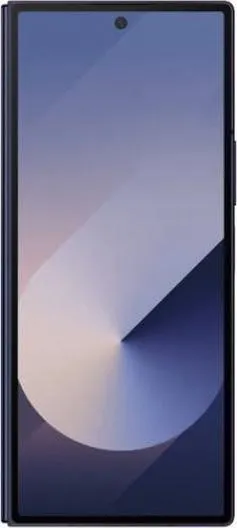
1. Specifications Comparison
| Feature | Xiaomi Redmi Note 12S | Samsung Galaxy Z Fold6 | Practical Impact |
|---|---|---|---|
| Design | |||
| Dimensions (mm) | 159.9 x 73.9 x 8.1 | 153.5 x 132.6 x 5.6 (Folded) 153.5 x 67.8 x 12.8 (Unfolded) | Z Fold6 significantly wider when unfolded due to folding design; thinner when folded but thicker when open. Note 12S more pocketable overall. |
| Weight (g) | 176 | 239 | Z Fold6 noticeably heavier due to larger display and folding mechanism. |
| Foldable | No | Yes | Z Fold6 offers a larger screen real estate and multitasking capabilities due to its foldable design. |
| Display | |||
| Display Type | AMOLED, 90Hz | Foldable Dynamic AMOLED 2X, 120Hz | Z Fold6 has a superior display with a higher refresh rate (smoother animations), potentially higher brightness, and HDR10+ support for better dynamic range. |
| Display Size (inches) | 6.43 | 7.6 (Main) 6.3 (Cover) | Z Fold6 offers significantly larger main display for immersive content consumption and productivity. Cover display provides functionality when folded. |
| Resolution | 1080 x 2400 | 2176 x 1812 (Main) 904 x 2316 (Cover) | Z Fold6 boasts higher resolution, especially on the main display, resulting in sharper text and images. |
| PPI | 409 | ~374 (Main), ~407 (Cover) | Despite lower main display PPI, the difference in sharpness is negligible due to the Fold6's larger screen size and higher resolution. |
| Performance | |||
| Chipset | Mediatek Helio G96 (12nm) | Snapdragon 8 Gen 3 (4nm) | Z Fold6 significantly more powerful, enabling smoother multitasking, faster app loading, and better gaming performance. |
| CPU | Octa-core (2x2.05 GHz Cortex-A76 & 6x2.0 GHz Cortex-A55) | Octa-core (1x3.39 GHz Cortex-X4 & 3x3.1 GHz Cortex-A720 & 2x2.9 GHz Cortex-A720 & 2x2.2 GHz Cortex-A520) | Z Fold6 has a newer, more powerful CPU architecture, leading to significant performance gains. |
| RAM | 6GB/8GB | 12GB | More RAM in Z Fold6 allows for more apps to run in the background without performance slowdown. |
| Camera | |||
| Main Camera | 108MP | 50MP | While Redmi Note 12S has higher megapixel count, Z Fold6 likely utilizes a larger sensor and advanced image processing for better overall image quality. Practical results may vary depending on lighting and software processing. |
| Video Recording | 1080p@30fps | 8K@30fps | Z Fold6 offers substantially higher video resolution and features such as HDR and EIS. |
| Battery | |||
| Capacity | 5000 mAh | 4400 mAh | Redmi Note 12S has a larger battery capacity, potentially leading to longer battery life. However, Z Fold6's larger, higher refresh rate display will consume more power. |
| Other | |||
| Price Range | Medium | High | Significant price difference, reflecting the Z Fold6's premium features and foldable design. |
| OS | Android 13 | Android 14 | Z Fold6 comes with a newer Android version, potentially offering new features and longer software support. |
2. Key Differences Analysis
Xiaomi Redmi Note 12S Advantages:
- Lower Price: Significantly more affordable.
- Longer Battery Life (Potential): Larger battery capacity.
- More Pocketable: Smaller and lighter.
Samsung Galaxy Z Fold6 Advantages:
- Superior Performance: Significantly faster processor and more RAM.
- Foldable Design: Larger screen real estate and multitasking capabilities.
- Better Display: Higher refresh rate, HDR10+ support.
- Higher Quality Camera (Likely): Advanced features and potentially larger sensor.
3. User Profiles & Recommendations
Xiaomi Redmi Note 12S:
- Budget-conscious users: Seeking a reliable phone with good battery life.
- Casual users: Primarily using phone for communication, social media, and light gaming.
Samsung Galaxy Z Fold6:
- Power users: Demanding high performance for multitasking, gaming, and demanding applications.
- Content creators: Utilizing the large display for photo/video editing and content consumption.
- Early adopters: Embracing cutting-edge technology and foldable design.
4. Decision Framework
Key Questions:
- What is your budget? The Z Fold6 commands a significantly higher price.
- What are your primary use cases? Casual usage vs. demanding tasks/multitasking.
- How important is portability? The Note 12S is more compact and pocketable.
My Choice: Samsung Galaxy Z Fold6
While the Xiaomi Redmi Note 12S offers excellent value for its price, the Samsung Galaxy Z Fold6 is the superior device overall. Its foldable design, significantly more powerful performance, better display, and advanced camera features justify the higher price for my needs. The larger screen real estate and multitasking capabilities would significantly enhance my productivity and content consumption experience. Though the battery life might be a concern, the trade-off for the cutting-edge features and performance is worthwhile for me. I prioritize performance and innovative features over battery life and cost savings.
