1. Specifications Comparison
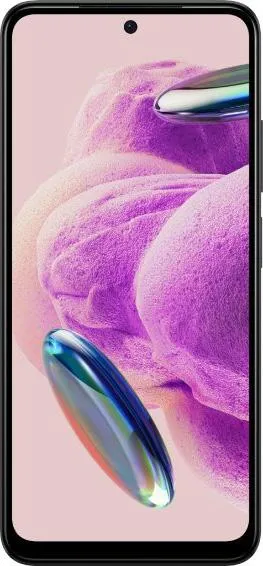
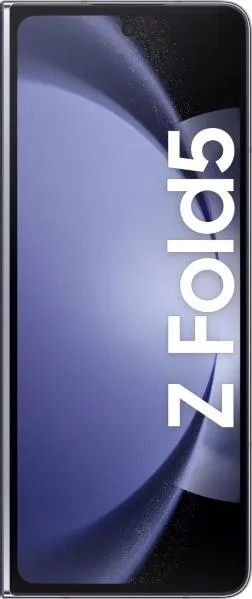
| Feature | Xiaomi Redmi Note 12S | Samsung Galaxy Z Fold5 | Practical Impact |
|---|---|---|---|
| Design | |||
| Dimensions (mm) | 159.9 x 73.9 x 8.1 | 154.9 x 129.9 x 6.1 (Folded) 154.9 x 67.1 x 13.4 (Unfolded) | Fold5 is significantly wider when folded and thinner when unfolded, offering a unique form factor but potentially less pocketable. |
| Weight (g) | 176 | 253 | Fold5 is noticeably heavier due to its folding mechanism and larger display. |
| Foldable | No | Yes | Fold5's folding screen provides a larger display area for multitasking and media consumption but introduces a crease and potential durability concerns. |
| Display | |||
| Display Size (inches) | 6.43 | 7.6 (Main) 6.2 (Cover) | Fold5 offers a substantially larger main display for immersive experiences, while the cover display allows for quick tasks without unfolding. |
| Resolution (px) | 1080 x 2400 | 2176 x 1812 (Main) 904 x 2316 (Cover) | Fold5 boasts a much higher resolution on its main display, resulting in sharper text and images. |
| Refresh Rate (Hz) | 90 | 120 (Both) | Fold5's higher refresh rate provides smoother animations and scrolling, enhancing responsiveness. |
| Display Type | AMOLED | Dynamic AMOLED 2X | Both offer vibrant colors and deep blacks, but Fold5's Dynamic AMOLED 2X likely offers better brightness and HDR performance. |
| Performance | |||
| Chipset | Mediatek Helio G96 (12nm) | Qualcomm Snapdragon 8 Gen 2 (4nm) | Fold5's Snapdragon 8 Gen 2 significantly outperforms the Helio G96, resulting in much faster app loading, smoother gaming, and better overall performance. |
| CPU | Octa-core (2x2.05 GHz Cortex-A76 & 6x2.0 GHz Cortex-A55) | Octa-core (1x3.36 GHz Cortex-X3 & 2x2.8 GHz Cortex-A715 & 2x2.8 GHz Cortex-A710 & 3x2.0 GHz Cortex-A510) | Fold5's CPU architecture is more advanced and powerful. |
| RAM | 6GB/8GB | 12GB | Fold5's larger RAM allows for smoother multitasking and better performance with demanding applications. |
| Camera | |||
| Main Camera (MP) | 108 | 50 | While Redmi has higher megapixels, Fold5 uses a larger sensor (1/1.57" vs 1/1.52") and likely superior processing, potentially resulting in better image quality. |
| Video Recording | 1080p@30fps | 8K@30fps | Fold5 offers significantly higher video resolution and frame rate options. |
| Battery | |||
| Capacity (mAh) | 5000 | 4400 | Redmi Note 12S has a larger battery capacity, potentially offering longer battery life despite its lower resolution display. Fold5's demanding hardware may drain the battery faster. |
2. Key Differences Analysis
Xiaomi Redmi Note 12S Advantages:
- Lower Price: Significantly more affordable.
- Longer Battery Life (Potential): Larger battery capacity.
- Lighter and More Pocketable: Standard slab design.
Samsung Galaxy Z Fold5 Advantages:
- Superior Performance: Flagship Snapdragon processor and ample RAM.
- Larger, Higher Quality Display: Foldable Dynamic AMOLED 2X with a 120Hz refresh rate.
- More Versatile Form Factor: Folding screen enables unique use cases.
- Better Camera System (Likely): Larger sensor, superior processing, and advanced features.
Trade-offs:
- Price vs Features: Fold5's advanced features come at a significantly higher price.
- Portability vs Screen Size: Fold5's larger screen compromises pocketability.
- Battery Life vs Performance: Fold5's powerful hardware may drain the battery quicker.
3. User Profiles & Recommendations
Xiaomi Redmi Note 12S: Budget-conscious users, casual users prioritizing battery life, those seeking a simple and lightweight device.
Samsung Galaxy Z Fold5: Power users, multitaskers, content creators, those seeking the latest technology and a unique form factor.
4. Decision Framework
Key Questions for Buyers:
- Budget: How much are you willing to spend?
- Performance Needs: Do you require top-tier processing power for demanding tasks or gaming?
- Form Factor Preference: Do you value a large, foldable screen or a traditional smartphone design?
My Choice: Samsung Galaxy Z Fold5
While the Xiaomi Redmi Note 12S offers excellent value for its price, I would choose the Samsung Galaxy Z Fold5. The significantly superior performance, stunning foldable display, and advanced camera capabilities outweigh the higher price and potentially shorter battery life for my needs. I value the versatility of the large screen for multitasking, media consumption, and content creation. The Snapdragon 8 Gen 2 ensures a smooth and responsive experience, even with demanding applications. While the price is a significant factor, the Fold5 offers a unique and innovative mobile experience that justifies the premium for me. I am willing to compromise on battery life for the significant performance and feature upgrades.
