1. Specifications Comparison
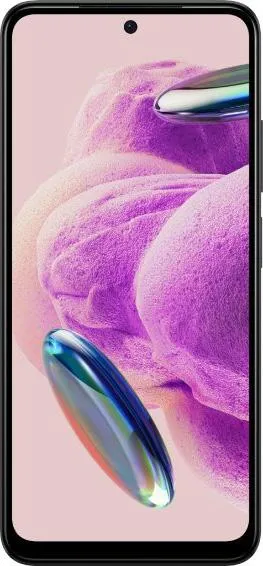
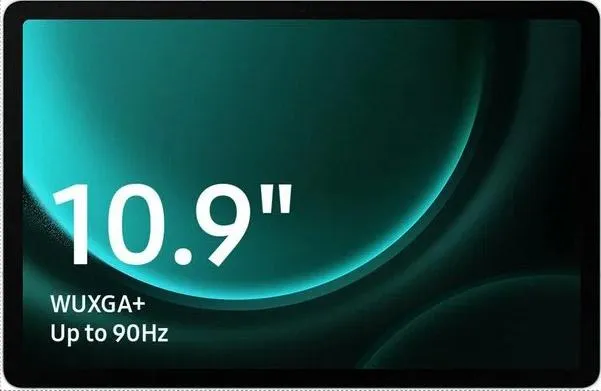
| Feature | Xiaomi Redmi Note 12S | Samsung Galaxy Tab S9 FE | Practical Impact |
|---|---|---|---|
| Design | |||
| Dimensions (mm) | 159.9 x 73.9 x 8.1 | 254.3 x 165.8 x 6.5 | Redmi Note 12S is a typical smartphone size, pocketable and one-hand usable. Tab S9 FE is a large tablet, requiring two hands and a bag for transport. |
| Weight (g) | 176 | 523 | Significant weight difference; Redmi is much more portable for everyday use, Tab S9 FE can be tiring to hold for extended periods. |
| Display | |||
| Size (inches) | 6.43 | 10.9 | Larger screen of the Tab S9 FE provides more immersive media consumption and multitasking space but less portability. |
| Resolution | 1080 x 2400 | 2304 x 1440 | Similar pixel density (~400 ppi) despite size difference, resulting in sharp visuals on both. |
| Type | AMOLED, 90Hz | IPS LCD, 90Hz | AMOLED offers deeper blacks and more vibrant colors, while IPS LCD provides better color accuracy in bright conditions. Both have smooth scrolling thanks to 90Hz refresh rate. |
| Performance | |||
| Chipset | Mediatek Helio G96 (12nm) | Exynos 1380 (5nm) | Exynos 1380 is built on a smaller process node, resulting in better power efficiency and potentially higher performance. |
| CPU | Octa-core (2x2.05 GHz A76 & 6x2.0 GHz A55) | Octa-core (4x2.4 GHz A78 & 4x2.0 GHz A55) | Tab S9 FE boasts faster and more powerful CPU cores, leading to smoother multitasking and demanding app performance. |
| GPU | Mali-G57 MC2 | Mali-G68 MP5 | Tab S9 FE has a significantly more powerful GPU, beneficial for gaming and graphics-intensive tasks. |
| RAM | 6GB/8GB | 6GB/8GB | Both offer sufficient RAM for multitasking, although real-world performance will depend on other factors like software optimization. |
| Camera | |||
| Rear Camera | 108MP main, 8MP ultrawide, 2MP macro | 12MP main | Redmi Note 12S offers a higher resolution main sensor and versatile camera setup, while Tab S9 FE has a single, less powerful rear camera. Tablet cameras are generally less prioritized. |
| Front Camera | 16MP | 8MP | Redmi Note 12S has a higher resolution front camera for better selfies. |
| Battery | |||
| Capacity (mAh) | 5000 | 8000 | Significantly larger battery in Tab S9 FE expected to provide much longer battery life, crucial for a tablet. |
2. Key Differences Analysis
Xiaomi Redmi Note 12S Advantages:
- Portability: Significantly smaller and lighter, ideal for one-handed use and pocket carry.
- Superior Camera System: More versatile and higher resolution cameras for better photo and video quality.
- AMOLED Display: More vibrant colors and deeper blacks for a more immersive visual experience.
Samsung Galaxy Tab S9 FE Advantages:
- Larger Display: More screen real estate for productivity, media consumption, and multitasking.
- Powerful Performance: Faster processor and GPU for demanding tasks and gaming.
- Longer Battery Life: Substantially larger battery capacity for extended usage without recharging.
- Software Updates: Longer software support commitment from Samsung, up to Android 17.
3. User Profiles & Recommendations
Xiaomi Redmi Note 12S: Ideal for users who prioritize portability, camera quality, and a vibrant display in a smartphone form factor. Best for:
- Everyday smartphone users
- Social media enthusiasts
- Mobile photographers and videographers
- Budget-conscious buyers seeking a well-rounded phone
Samsung Galaxy Tab S9 FE: Suitable for users who need a large screen for productivity, media consumption, and creative tasks. Best for:
- Students and professionals for note-taking, presentations, and multitasking
- Artists and designers for drawing and sketching
- Media consumers who enjoy movies, TV shows, and gaming on a larger screen
4. Decision Framework
Key Questions for Buyers:
- Smartphone or Tablet? Determine your primary need: portability and communication or a larger screen for productivity and entertainment.
- Performance Needs? Assess your usage: casual browsing and social media or demanding tasks like gaming and video editing.
- Budget Constraints? Consider the price difference and the features you prioritize most.
My Choice:
I would choose the Xiaomi Redmi Note 12S. While the Samsung Galaxy Tab S9 FE offers a compelling larger screen and powerful performance, my priority is a portable device for everyday use. The Redmi Note 12S's superior camera system, vibrant AMOLED display, and comfortable one-handed usability make it a better fit for my needs. As a smartphone analyst constantly on the go, portability trumps screen size for me. The Tab S9 FE is a great tablet, but its size and weight make it less practical for my daily routine. I also value having a strong camera system, which the Redmi Note 12S provides.
