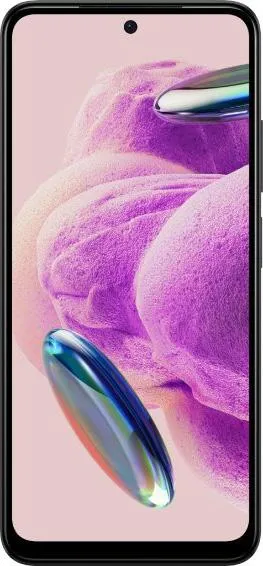

1. Specifications Comparison
| Feature | Xiaomi Redmi Note 12S | Samsung Galaxy S24+ | Practical Impact |
|---|---|---|---|
| Design | |||
| Dimensions (mm) | 159.9 x 73.9 x 8.1 | 158.5 x 75.9 x 7.7 | S24+ slightly shorter, wider, and thinner. Negligible difference in hand feel. |
| Weight (g) | 176 | 196 | S24+ noticeably heavier (20g). May impact one-handed use for some. |
| Build Material | Unspecified | Unspecified | Material differences could impact durability and premium feel. Cannot assess without data. |
| Display | |||
| Display Type | AMOLED, 90Hz | Dynamic LTPO AMOLED 2X, 120Hz | S24+ offers smoother scrolling and animations with higher refresh rate and potentially better power efficiency with LTPO. |
| Display Size (inches) | 6.43 | 6.7 | S24+ provides a larger viewing area for media consumption. |
| Resolution | 1080 x 2400 | 1440 x 3120 | S24+ significantly sharper due to higher resolution (QHD+ vs FHD+). Noticeable difference in clarity. |
| Peak Brightness (nits) | 1000 | 2600 | S24+ drastically brighter, ensuring excellent outdoor visibility. |
| HDR | No Dolby Vision, HDR10/10+ Unspecified | HDR10+ | S24+ supports HDR10+ for enhanced dynamic range in supported content. |
| Performance | |||
| Chipset | Mediatek Helio G96 (12nm) | Snapdragon 8 Gen 3 (4nm) | S24+ vastly more powerful. Expect significantly faster performance in demanding tasks and gaming. |
| CPU | Octa-core (2x2.05 GHz A76 & 6x2.0 GHz A55) | Octa-core (1x3.39 GHz X4 & 3x3.1 GHz A720 & 2x2.9 GHz A720 & 2x2.2 GHz A520) | S24+ utilizes newer, more powerful CPU architecture for superior performance. |
| GPU | Mali-G57 MC2 | Adreno 750 | S24+ offers a much more capable GPU for high-end gaming and graphics processing. |
| RAM | 6GB/8GB | 12GB | More RAM in the S24+ allows for better multitasking and smoother performance with multiple apps. |
| Camera | |||
| Main Camera | 108MP, f/1.8 | 50MP, f/1.8 | Megapixel count doesn't tell the whole story. Sensor size, pixel size, and processing play a crucial role. Need more sensor details for the Redmi to compare image quality. S24+ likely has superior low-light performance. |
| Ultrawide | 8MP, f/2.2 | 12MP, f/2.2 | S24+ likely offers better ultrawide image quality due to higher resolution. |
| Telephoto | Absent | 10MP, f/2.4, 3x Optical Zoom | S24+ offers optical zoom for lossless zoomed shots, a significant advantage. |
| Video Recording | 1080p@30fps | Up to 8K@30fps | S24+ capable of significantly higher resolution video recording. |
| Battery | |||
| Capacity | 5000 mAh | 4900 mAh | Negligible difference in battery capacity. Real-world battery life depends heavily on optimization and usage. |
| Charging Speed | Unspecified | Unspecified | Cannot compare charging speeds without specific data. |
2. Key Differences Analysis
Xiaomi Redmi Note 12S Advantages:
- Potentially Lower Price: Expected to be significantly more affordable.
Samsung Galaxy S24+ Advantages:
- Significantly Superior Performance: The Snapdragon 8 Gen 3 offers a massive performance leap.
- Better Display: Higher resolution, refresh rate, and peak brightness result in a premium visual experience.
- More Versatile Camera System: Optical zoom, higher resolution ultrawide, and likely better image quality overall.
- More Future-Proof: Newer Android version with longer support window, 5G connectivity with broader band support.
3. User Profiles & Recommendations
Redmi Note 12S: Budget-conscious users prioritizing basic tasks like calling, texting, social media browsing, and casual photography.
Galaxy S24+: Users demanding top-tier performance for gaming, demanding applications, content creation, and high-quality photography/videography. Also suitable for those desiring the latest technology and longer software support.
4. Decision Framework
Key Questions:
- What is your budget? The S24+ will command a significantly higher price.
- What are your primary use cases? Basic tasks vs. demanding applications and gaming.
- How important is camera quality and versatility?
My Choice: Samsung Galaxy S24+
While significantly more expensive, the Samsung Galaxy S24+ offers a substantial upgrade in performance, display quality, camera capabilities, and future-proofing. The Snapdragon 8 Gen 3 provides a massive performance advantage, ensuring a smooth and responsive experience for years to come. The superior display and camera system cater to content consumption and creation, making it a more versatile device. While the Redmi Note 12S offers good value for its price, the S24+'s advancements justify the higher cost for a user who values a premium mobile experience. The difference in chipset and display alone significantly impacts daily usage, making the S24+ the better long-term investment for me.
