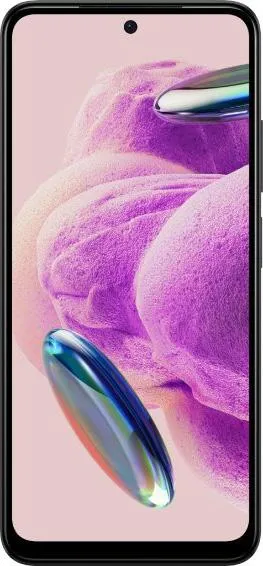

1. Specifications Comparison
| Feature | Xiaomi Redmi Note 12S | Samsung Galaxy S24 FE | Practical Impact |
|---|---|---|---|
| Design | |||
| Dimensions (mm) | 159.9 x 73.9 x 8.1 | 162 x 77.3 x 8 | S24 FE slightly larger |
| Weight (g) | 176 | 213 | S24 FE noticeably heavier; may impact one-handed use |
| Build Materials | Not specified | Not specified | Cannot compare build quality and durability |
| Display | |||
| Display Type | AMOLED | Dynamic AMOLED 2X | Both offer vibrant colors and deep blacks; Dynamic AMOLED 2X generally brighter and more power efficient |
| Display Size (inches) | 6.43 | 6.7 | S24 FE offers a larger screen for media consumption |
| Resolution | 1080 x 2400 | 1080 x 2340 | Similar pixel density; negligible difference in sharpness |
| Refresh Rate (Hz) | 90 | 120 | S24 FE provides smoother scrolling and animations |
| Peak Brightness (nits) | 1000 | 1900 | S24 FE significantly brighter, improving outdoor visibility |
| HDR Support | No Dolby Vision/HDR10/HDR10+ explicitly stated | HDR10+ | S24 FE supports HDR content for better dynamic range |
| Performance | |||
| Chipset | Mediatek Helio G96 (12nm) | Exynos 2400e (4nm) | S24 FE has a significantly more powerful and efficient processor |
| CPU | Octa-core (2x2.05 GHz Cortex-A76 & 6x2.0 GHz Cortex-A55) | 10-core (1x3.1 GHz + 2x2.9 GHz + 3x2.6 GHz + 4x1.95 GHz) | S24 FE offers superior multi-core performance for demanding tasks |
| GPU | Mali-G57 MC2 | Xclipse 940 | S24 FE boasts a much more powerful GPU for gaming and graphics-intensive applications |
| RAM | 6/8GB | 8GB | Both offer sufficient RAM for multitasking, but S24 FE configurations start with 8GB |
| Camera | |||
| Main Camera (MP) | 108 | 50 | Redmi Note 12S has higher megapixel count, but sensor and image processing quality unknown for both. Megapixels alone don't determine image quality. |
| Ultrawide (MP) | 8 | 13 | S24 FE likely offers a wider field of view |
| Telephoto (MP) | None | 8 | S24 FE offers optical zoom capability, Redmi Note 12S does not |
| Video Recording | 1080p@30fps | Up to 8K@30fps | S24 FE offers significantly higher video resolution and frame rate options |
| Battery | |||
| Capacity (mAh) | 5000 | 4700 | Redmi Note 12S has slightly larger battery capacity |
| Charging Speed | Not specified | Not specified | Cannot compare charging speeds |
2. Key Differences Analysis
Xiaomi Redmi Note 12S Advantages:
- Potentially longer battery life: Larger 5000mAh battery.
- Lower price: Positioned in the medium price range, likely more affordable than the S24 FE.
Samsung Galaxy S24 FE Advantages:
- Significantly better performance: More powerful processor and GPU for smoother operation and demanding tasks.
- Higher quality display: Brighter, smoother, and supports HDR content.
- More versatile camera system: Includes a telephoto lens for optical zoom and higher resolution video recording.
- More advanced connectivity: Supports newer WiFi standards (WiFi 6E) and Bluetooth 5.3.
Trade-offs:
- The S24 FE's superior performance and features come at a higher price and potentially slightly reduced battery life compared to the Redmi Note 12S.
3. User Profiles & Recommendations
Xiaomi Redmi Note 12S: Budget-conscious users who prioritize basic functionality, long battery life, and affordability over top-tier performance and features. Suitable for everyday tasks like web browsing, social media, and casual photography.
Samsung Galaxy S24 FE: Users who demand high performance for gaming, content creation, and multitasking. Also suitable for users who value a high-quality display and a versatile camera system.
4. Decision Framework
Key Questions for Buyers:
- What is your budget? The Redmi Note 12S offers better value for budget-conscious buyers.
- What are your primary use cases? For demanding tasks and multimedia consumption, the S24 FE is superior. For basic tasks, the Redmi Note 12S suffices.
- How important are camera features and display quality? The S24 FE significantly outperforms the Redmi Note 12S in these areas.
My Choice: Samsung Galaxy S24 FE
While the Redmi Note 12S offers good value for its price, the Samsung Galaxy S24 FE's superior performance, display, and camera system are compelling. The significantly faster processor, brighter and smoother display with HDR support, and more versatile camera with optical zoom make it a much more capable device for a wider range of tasks and user needs. Although more expensive, the S24 FE offers a better long-term investment due to its future-proof hardware. The smoother 120Hz refresh rate and enhanced connectivity are also significant advantages for a more enjoyable user experience. The slightly heavier weight is a minor trade-off for the substantial gains in other areas.
