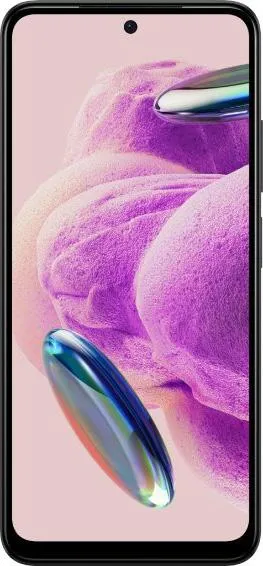
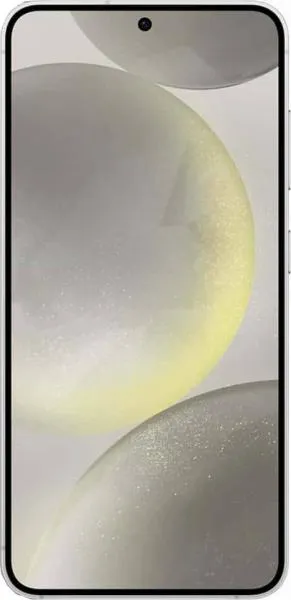
1. Specifications Comparison
| Feature | Xiaomi Redmi Note 12S | Samsung Galaxy S24 | Practical Impact |
|---|---|---|---|
| Design | |||
| Dimensions (mm) | 159.9 x 73.9 x 8.1 | 147 x 70.6 x 7.6 | S24 is significantly more compact and pocketable. |
| Weight (g) | 176 | 167 | S24 is slightly lighter, enhancing one-handed use. |
| Build | Not specified | Not specified | Build quality impact unknown without material info. |
| Display | |||
| Size (inches) | 6.43 | 6.2 | Note 12S offers a slightly larger screen for media consumption. |
| Resolution | 1080 x 2400 | 1080 x 2340 | Similar sharpness; negligible real-world difference. |
| Type | AMOLED, 90Hz | Dynamic AMOLED 2X, 120Hz | S24's 120Hz & LTPO offer smoother scrolling and potentially better battery life due to variable refresh rate. Higher peak brightness (2600 nits vs 1000 nits) makes S24 vastly superior in outdoor visibility. HDR10+ support on the S24 provides better dynamic range and color accuracy in supported content. |
| Performance | |||
| Chipset | Mediatek Helio G96 (12nm) | Snapdragon 8 Gen 3 (4nm) | S24 boasts a significantly more powerful and efficient processor, resulting in much faster performance, smoother multitasking, and better gaming capabilities. |
| CPU | Octa-core (2x2.05 GHz A76 & 6x2.0 GHz A55) | Octa-core (1x3.39 GHz X4 & 3x3.1 GHz A720 & 4x2.0 GHz A510) | S24's CPU architecture provides a substantial performance leap. |
| GPU | Mali-G57 MC2 | Adreno 750 | S24 offers a vastly superior GPU for demanding gaming and graphics-intensive tasks. |
| RAM | 6GB/8GB | 8GB | S24's base 8GB RAM ensures smoother multitasking. |
| Camera | |||
| Main Camera | 108MP, f/1.8 | 50MP, f/1.8 | S24 likely uses a larger sensor with larger pixels (not specified for Note 12S), potentially offering better low-light performance despite lower resolution. |
| Video | 1080p@30fps | Up to 8K@30fps | S24 allows for significantly higher resolution video recording. |
| Features | Optical Zoom 3x, Optical Stabilization | S24 offers optical zoom and stabilization for superior photo and video quality. | |
| Battery | |||
| Capacity | 5000 mAh | 4000 mAh | Note 12S has a larger battery capacity, potentially offering longer battery life, but S24's efficient chip could offset this. |
2. Key Differences Analysis
Xiaomi Redmi Note 12S Advantages:
- Larger Battery: Potentially longer battery life.
- Larger Display: More immersive media experience.
- Lower Price: More budget-friendly option.
Samsung Galaxy S24 Advantages:
- Significantly Faster Performance: Smoother overall experience, better for demanding tasks and gaming.
- Superior Display: Higher refresh rate, brighter screen, HDR10+ support for a more premium visual experience.
- Better Camera System: Optical zoom, optical image stabilization, and potentially better low-light performance.
- More Compact Design: Easier to handle and carry.
- Faster Charging: Likely faster charging speeds (not specified for either phone).
3. User Profiles & Recommendations
Xiaomi Redmi Note 12S: Budget-conscious users prioritizing battery life and a large display for media consumption. Suitable for casual gaming and everyday tasks.
Samsung Galaxy S24: Users prioritizing performance, a premium display, and a capable camera system. Ideal for demanding tasks, gaming, photography, and videography.
4. Decision Framework
Key Questions:
- What is your budget? The Note 12S is significantly cheaper.
- What are your performance needs? The S24 is far superior for demanding tasks and gaming.
- What are your priorities in a smartphone? (e.g., battery life, camera quality, display quality, performance)
My Choice: Samsung Galaxy S24
While the Redmi Note 12S offers a larger battery and lower price, the Samsung Galaxy S24's superior performance, display, and camera system make it the better overall device for my needs. The Snapdragon 8 Gen 3 offers a massive performance advantage over the Helio G96, making the S24 a future-proof choice. The 120Hz Dynamic AMOLED 2X display with HDR10+ is a significant upgrade over the Note 12S's 90Hz AMOLED. Furthermore, the S24's compact form factor and superior camera features, including optical zoom and stabilization, are highly appealing. Although the S24 has a smaller battery, the power efficiency of the Snapdragon 8 Gen 3 could potentially offer comparable battery life. The higher price is justified by the significant improvements in overall user experience.
