1. Specifications Comparison
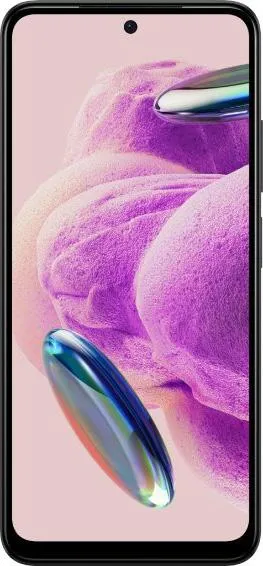
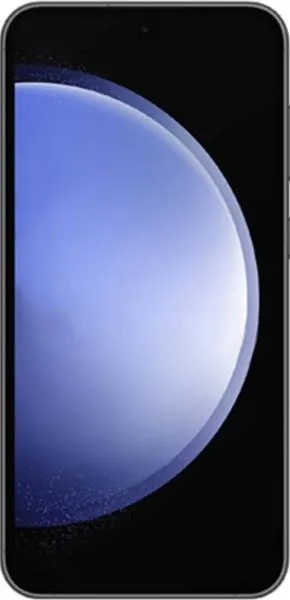
| Feature | Xiaomi Redmi Note 12S | Samsung Galaxy S23 FE | Practical Impact |
|---|---|---|---|
| Design | |||
| Dimensions (mm) | 159.9 x 73.9 x 8.1 | 158 x 76.5 x 8.2 | S23 FE is slightly shorter and wider, but overall dimensions are very similar. Negligible practical difference. |
| Weight (g) | 176 | 209 | Redmi Note 12S is noticeably lighter, reducing hand fatigue during extended use. |
| Display | |||
| Size (inches) | 6.43 | 6.4 | Negligible size difference. |
| Resolution (px) | 1080 x 2400 | 1080 x 2340 | Very similar resolutions, resulting in comparable sharpness. S23 FE's slightly different aspect ratio may lead to minor letterboxing with some content. |
| Type | AMOLED, 90Hz | Dynamic AMOLED 2X, 120Hz | S23 FE's 120Hz display offers smoother animations and scrolling compared to 90Hz on the Redmi Note 12S. Dynamic AMOLED 2X likely implies HDR10+ support. |
| Peak Brightness | 1000 nits | 1450 nits (unverified) | S23 FE likely offers better visibility in bright sunlight (needs verification). |
| Performance | |||
| Chipset | Helio G96 | Exynos 2200 | Exynos 2200 is significantly more powerful, enabling smoother multitasking, faster app loading, and better gaming performance. |
| CPU | Octa-core (2x2.05 GHz Cortex-A76 & 6x2.0 GHz Cortex-A55) | Octa-core (1x2.8 GHz Cortex-X2 & 3x2.50 GHz Cortex-A710 & 4x1.8 GHz Cortex-A510) | S23 FE has a more powerful and modern CPU architecture. |
| GPU | Mali-G57 MC2 | Xclipse 920 | Xclipse 920 offers significantly better graphics performance, beneficial for demanding games and graphic-intensive applications. |
| RAM | 6GB/8GB | 8GB | More RAM in certain S23 FE variants can improve multitasking. Redmi Note 12S offers a 6GB variant which might impact performance for heavy users. |
| Camera | |||
| Main Camera | 108MP | 50MP | While Redmi Note 12S has higher resolution, S23 FE uses a larger sensor (1/1.57\" vs 1/1.52\") and likely produces better low-light images and dynamic range. |
| Video | 1080p@30fps | 8K@24fps | S23 FE offers significantly higher video resolution and frame rate options. |
| Battery | |||
| Capacity (mAh) | 5000 | 4500 | Redmi Note 12S has a larger battery, potentially offering longer battery life. However, real-world usage depends on various factors including display settings. |
2. Key Differences Analysis
Xiaomi Redmi Note 12S Advantages:
- Lower Price: Expected to be more affordable.
- Lighter Weight: More comfortable for extended use.
- Larger Battery: Potential for longer battery life.
Samsung Galaxy S23 FE Advantages:
- Significantly More Powerful: Superior performance for demanding tasks and gaming.
- Smoother Display: 120Hz refresh rate for fluid visuals.
- Better Camera System: Likely better image quality, especially in low light, and superior video recording capabilities. OIS is a huge advantage.
- Longer Software Support: Expected to receive more OS updates than Redmi Note 12S.
3. User Profiles & Recommendations
Xiaomi Redmi Note 12S:
- Budget-conscious users: Prioritize affordability over top-tier performance.
- Casual users: Primarily use phone for basic tasks like calling, texting, social media, and web browsing.
- Users prioritizing battery life: Larger battery capacity may be appealing.
Samsung Galaxy S23 FE:
- Power users: Demand high performance for gaming, multitasking, and demanding applications.
- Photography enthusiasts: Desire a capable camera system with good low-light performance and video recording capabilities.
- Users prioritizing a smooth and responsive experience: 120Hz display provides a noticeable improvement.
4. Decision Framework
Key Questions for Buyers:
- What is your budget? The Redmi Note 12S will be significantly cheaper.
- What are your primary phone usage patterns? Casual users might find the Redmi Note 12S sufficient, while power users will appreciate the S23 FE's performance.
- How important is camera quality and software support? The S23 FE likely offers a better camera and longer software update cycle.
My Choice: Samsung Galaxy S23 FE
While the Redmi Note 12S offers excellent value for its price, the Samsung Galaxy S23 FE is the superior device overall. The significantly improved performance, smoother display, better camera system (especially considering the OIS), and longer software support outweigh the price difference and larger battery of the Redmi Note 12S for me. I prioritize a fluid user experience and a capable camera, and the S23 FE delivers in those areas. While the price difference is substantial, the long-term benefits of a more powerful device and extended software support make the S23 FE a better investment in my opinion.
