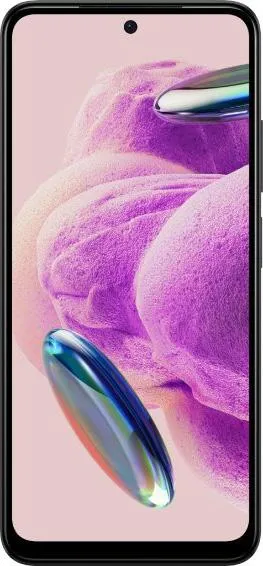
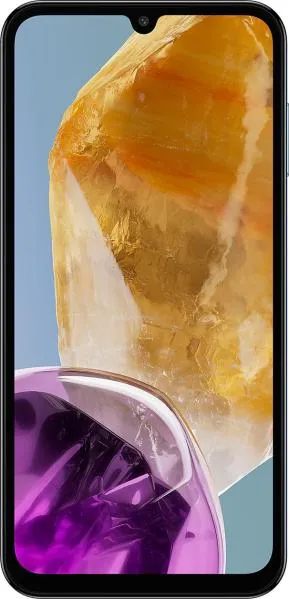
1. Specifications Comparison
| Feature | Xiaomi Redmi Note 12S | Samsung Galaxy M15 | Practical Impact |
|---|---|---|---|
| Design | |||
| Dimensions (mm) | 159.9 x 73.9 x 8.1 | 160.1 x 76.8 x 9.3 | M15 slightly larger and thicker |
| Weight (g) | 176 | 217 | M15 noticeably heavier (23% heavier) - can impact one-handed use and portability |
| Display | |||
| Size (inches) | 6.43 | 6.5 | Negligible difference in screen real estate |
| Resolution (px) | 1080 x 2400 | 1080 x 2340 | Virtually identical sharpness |
| Type | AMOLED, 90Hz | Super AMOLED, 90Hz | Both offer smooth scrolling and vibrant colors; Super AMOLED might have slightly better contrast and outdoor visibility |
| Peak Brightness (nits) | 1000 | 800 | Redmi Note 12S should be more readable in direct sunlight |
| Performance | |||
| Chipset | Mediatek Helio G96 (12nm) | Mediatek Dimensity 6100+ (6nm) | Dimensity 6100+ significantly more power efficient and likely performs better in demanding tasks due to smaller node process |
| CPU | Octa-core (2x2.05 GHz A76 & 6x2.0 GHz A55) | Octa-core (2x2.2 GHz A76 & 6x2.0 GHz A55) | M15 has slightly faster prime cores, potentially offering a minor performance edge in some applications |
| GPU | Mali-G57 MC2 | Mali-G57 MC2 | While the same GPU, the Dimensity 6100+'s more efficient architecture likely results in better sustained performance and less throttling |
| RAM (GB) | 6/8 | 4/6 | More RAM in some Redmi Note 12S variants allows for better multitasking and smoother performance with multiple apps |
| Camera | |||
| Main Camera (MP) | 108 | 50 | Redmi Note 12S boasts higher resolution; image quality depends on sensor and processing, not just megapixels |
| Front Camera (MP) | 16 | 13 | Redmi Note 12S has a higher resolution front camera |
| Video Recording | 1080p@30fps | 1080p@30fps with EIS | M15 offers Electronic Image Stabilization (EIS) for smoother video recording |
| Battery | |||
| Capacity (mAh) | 5000 | 6000 | M15 offers significantly longer battery life |
2. Key Differences Analysis
Xiaomi Redmi Note 12S Advantages:
- Higher resolution main camera: Potentially more detailed photos.
- Brighter display: Better visibility outdoors.
- Higher resolution front camera: Better selfie quality.
- More RAM in some variants: Smoother multitasking.
Samsung Galaxy M15 Advantages:
- Significantly longer battery life: Less frequent charging needed.
- More power-efficient and performant chipset: Better performance in demanding tasks and longer battery life due to the 6nm architecture.
- Video Stabilization: Smoother video recording.
- More recent OS: Potentially longer software support.
3. User Profiles & Recommendations
Xiaomi Redmi Note 12S: Users who prioritize camera resolution and a bright display, particularly for outdoor use.
Samsung Galaxy M15: Users who prioritize battery life and overall performance, especially for gaming or extended use without charging. Good for users who value software updates.
4. Decision Framework
Key Questions for Buyers:
- How important is battery life? If it's crucial, the M15 is the clear winner.
- What is your budget and desired storage/RAM configuration? Consider the price difference between variants.
- Do you prioritize camera resolution or video stabilization? The Redmi Note 12S offers a higher resolution main camera, while the M15 offers EIS for video.
My Choice: Samsung Galaxy M15
While the Redmi Note 12S boasts a higher resolution main camera and brighter display, the Samsung Galaxy M15's significantly larger battery, more efficient chipset (6nm vs 12nm), and video stabilization are more compelling to me. The Dimensity 6100+ will provide a better overall user experience with smoother performance and less battery drain. Longer battery life is a huge factor for me personally, and the performance gains from the newer chipset outweigh the benefits of a slightly higher resolution camera. While the Redmi Note 12S has a 108MP camera, real-world image quality depends on many factors beyond resolution. The M15's 50MP sensor paired with a more modern processor could potentially deliver comparable or even better results in various scenarios. Finally, the newer Android OS in the M15 suggests potentially longer software and security updates.
