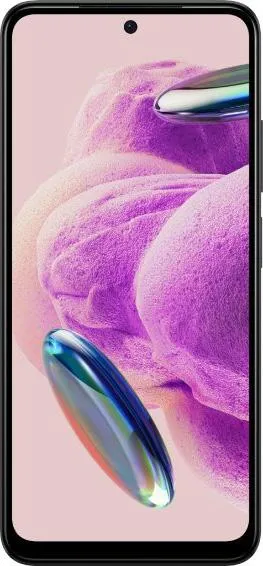
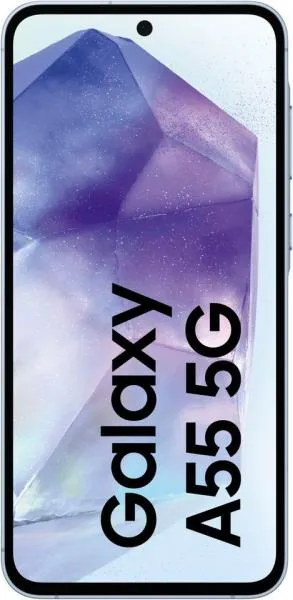
1. Specifications Comparison
| Feature | Xiaomi Redmi Note 12S | Samsung Galaxy A55 | Practical Impact |
|---|---|---|---|
| Design | |||
| Dimensions (mm) | 159.9 x 73.9 x 8.1 | 161.1 x 77.4 x 8.2 | A55 slightly larger; negligible difference in daily use. |
| Weight (g) | 176 | 213 | Noticeable weight difference; A55 feels more substantial. |
| Build | Material unspecified for both; impact on durability and premium feel unknown. | ||
| Display | |||
| Size (inches) | 6.43 | 6.6 | A55 offers a slightly larger viewing area. |
| Resolution (px) | 1080 x 2400 | 1080 x 2340 | Comparable sharpness; negligible real-world difference. |
| Panel Type | AMOLED | Super AMOLED | Both offer vibrant colors and deep blacks. |
| Refresh Rate (Hz) | 90 | 120 | A55's 120Hz provides smoother scrolling and animations. |
| HDR | No HDR10/Dolby Vision | HDR10+ | A55 supports HDR content for a wider dynamic range in compatible videos. |
| Peak Brightness (nits) | 1000 | Unspecified | Redmi's higher peak brightness may offer better outdoor visibility, but without A55's value, a direct comparison can't be made. |
| Performance | |||
| Chipset | Mediatek Helio G96 (12nm) | Exynos 1480 (4nm) | A55's 4nm process likely translates to better power efficiency and performance. |
| CPU | Octa-core (2x2.05 GHz Cortex-A76 & 6x2.0 GHz Cortex-A55) | Octa-core (4x2.75 GHz Cortex-A78 & 4x2.0 GHz Cortex-A55) | A55 has faster and more powerful CPU cores for demanding tasks and multitasking. |
| GPU | Mali-G57 MC2 | Xclipse 530 | A55 likely offers significantly better gaming and graphics performance, although benchmarks are needed for confirmation. |
| RAM | 6GB / 8GB | 8GB / 12GB | A55 offers more RAM options for smoother multitasking. |
| Camera | |||
| Main Camera (MP) | 108 | 50 | Redmi has higher resolution; A55 utilizes a potentially superior Sony IMX906 sensor known for good low-light performance. Pixel binning on both improves light capture. |
| Ultrawide (MP) | 8 | 13 | A55 offers a slightly higher resolution ultrawide. |
| Video Recording | 1080p@30fps | 4K@30fps | A55 records significantly higher resolution video. |
| OIS | No | Yes | A55's optical image stabilization will result in significantly smoother videos and potentially better low-light photos. |
| Battery | |||
| Capacity (mAh) | 5000 | 5000 | Identical battery capacity; real-world battery life will depend on software optimization and chipset efficiency. |
| Software | |||
| OS | Android 13 | Android 14 | A55 ships with a newer Android version and longer promised software updates (until Android 18). |
2. Key Differences Analysis
Xiaomi Redmi Note 12S Advantages:
- Potentially brighter display: Higher peak brightness may be advantageous outdoors.
- Higher resolution main camera: May offer more detail in ideal lighting conditions. Note: Megapixel count is not the sole determinant of image quality.
Samsung Galaxy A55 Advantages:
- Smoother Display: 120Hz refresh rate delivers a significantly more fluid user experience.
- More Powerful Performance: Newer, more efficient chipset and more RAM for demanding tasks and gaming.
- Better Camera Features: Optical image stabilization (OIS) for significantly improved video and low-light photography. Higher resolution video recording (4K). Superior Sony sensors.
- Newer Software with Longer Support: Android 14 with guaranteed updates to Android 18, ensuring security and new features for longer.
- 5G Connectivity: Offers faster mobile data speeds in areas with 5G coverage.
3. User Profiles & Recommendations
Redmi Note 12S: Budget-conscious users prioritizing a large, bright display and high megapixel count for still photos. Best for casual usage, social media, and light gaming.
Samsung Galaxy A55: Users seeking a well-rounded phone with smooth performance, a great camera with OIS, long-term software support, and 5G connectivity. Suitable for demanding tasks, gaming, content creation, and users who value software updates.
4. Decision Framework
Key Questions for Buyers:
- What is your budget? The Redmi Note 12S is generally more affordable.
- What are your primary use cases? Gaming, content creation, and demanding tasks favor the A55.
- How important are software updates and future-proofing? The A55 has a clear advantage here.
My Choice: Samsung Galaxy A55
While the Redmi Note 12S offers a potentially brighter display and a higher resolution main camera sensor on paper, the Samsung Galaxy A55 is a significantly better overall package. The superior performance, smoother 120Hz display, significantly enhanced camera system with OIS and 4K video, newer software with longer update commitment, and 5G connectivity make it a more future-proof and versatile device. The price difference is justified by these substantial improvements in user experience and longevity. Even if the Redmi's screen is brighter in certain situations, the A55's advantages heavily outweigh this single potential benefit.
