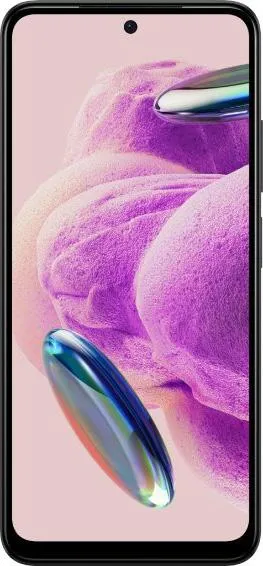
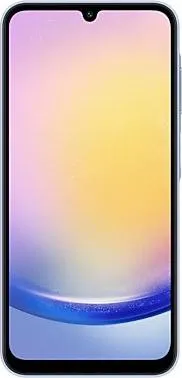
1. Specifications Comparison
| Feature | Xiaomi Redmi Note 12S | Samsung Galaxy A25 | Practical Impact |
|---|---|---|---|
| Design | |||
| Dimensions (mm) | 159.9 x 73.9 x 8.1 | 161 x 76.5 x 8.3 | A25 slightly larger; negligible difference in daily use. |
| Weight (g) | 176 | 197 | Redmi Note 12S noticeably lighter, reducing hand fatigue. |
| Display | |||
| Display Type | AMOLED, 90Hz | Super AMOLED, 120Hz | A25's 120Hz offers smoother animations and scrolling. |
| Display Size (inches) | 6.43 | 6.5 | Negligible difference in screen real estate. |
| Resolution | 1080 x 2400 | 1080 x 2340 | Nearly identical sharpness; minimal real-world difference. |
| Peak Brightness (nits) | 1000 | 1000 | Both offer good outdoor visibility. |
| Performance | |||
| Chipset | Mediatek Helio G96 (12nm) | Exynos 1280 (5nm) | Exynos 1280 significantly more power efficient and generally more powerful. Expect better performance and battery life on the A25. |
| CPU | Octa-core (2x2.05 GHz Cortex-A76 & 6x2.0 GHz Cortex-A55) | Octa-core (2x2.4 GHz Cortex-A78 & 6x2.0 GHz Cortex-A55) | A25 has faster, more modern CPU cores, leading to better performance in demanding tasks and multitasking. |
| GPU | Mali-G57 MC2 | Mali-G68 | A25's GPU offers noticeably better gaming and graphics performance. |
| RAM | 6/8GB | 6/8GB | Both offer sufficient RAM for most users. |
| OS | Android 13 | Android 14 | A25 ships with a newer Android version and guaranteed longer updates (up to Android 18). |
| Camera | |||
| Main Camera | 108MP | 50MP | Redmi Note 12S boasts higher resolution; A25 likely utilizes superior processing resulting in potentially better overall image quality. |
| Video Recording | 1080p@30fps | 4K@30fps with EIS | A25 significantly better video recording capabilities due to 4K resolution and Electronic Image Stabilization (EIS). |
| Battery | |||
| Capacity | 5000 mAh | 5000 mAh | Similar battery capacity; A25's more efficient chipset likely translates to longer battery life. |
2. Key Differences Analysis
Xiaomi Redmi Note 12S Advantages:
- Lighter: Noticeably lighter, making it more comfortable for extended use.
- Higher resolution main camera: Potentially capable of capturing more detail in still photos, although real-world performance depends on image processing.
Samsung Galaxy A25 Advantages:
- Smoother Display: 120Hz refresh rate provides a more fluid and responsive user experience.
- Superior Performance: Exynos 1280 offers significantly better performance and efficiency.
- Better GPU: Mali-G68 provides a better gaming and graphics experience.
- Longer Software Support: Guaranteed updates up to Android 18, ensuring security and new features for longer.
- Better Video Recording: 4K recording with EIS provides significantly better video quality and stability.
- Optical Image Stabilization: A25 features OIS, enabling sharper images and smoother videos.
Trade-offs:
- The Redmi Note 12S sacrifices performance and features for a slightly lower price and lighter weight.
- The A25 is slightly heavier and potentially more expensive, but provides a significantly better overall user experience due to superior performance, display, and software support.
3. User Profiles & Recommendations
Xiaomi Redmi Note 12S:
- Budget-conscious users: Prioritizing affordability over top-tier performance.
- Casual users: Primarily using their phone for basic tasks like calling, texting, and social media.
- Users sensitive to phone weight: Preferring a lighter device for comfortable one-handed use.
Samsung Galaxy A25:
- Users seeking a well-rounded experience: Prioritizing performance, display quality, and long-term software updates.
- Mobile gamers: Requiring a capable GPU for smooth gameplay.
- Content creators: Utilizing the camera for video recording and needing features like 4K resolution and EIS.
- Users who value software updates: Preferring a phone with guaranteed long-term support.
4. Decision Framework
Key Questions for Buyers:
- What is your budget? The Redmi Note 12S is generally more affordable.
- What are your primary phone usage patterns? Casual users might find the Redmi Note 12S sufficient, while power users will appreciate the A25's performance.
- How important are software updates and long-term support? The A25 has a clear advantage in this area.
My Choice: Samsung Galaxy A25
While the Redmi Note 12S offers a lower price and lighter weight, the Samsung Galaxy A25 provides a significantly better overall user experience. The superior performance, smoother 120Hz display, longer software support, better video recording capabilities, and the inclusion of OIS make it a more compelling device for the majority of users. The slightly higher price and weight are justifiable trade-offs for the significant gains in performance, features, and longevity. The A25's 5nm chipset's efficiency should also result in noticeably better battery life in real-world usage, a crucial factor for most users. In the long run, the A25's superior features and extended software support make it a more valuable investment.
