1. Specifications Comparison
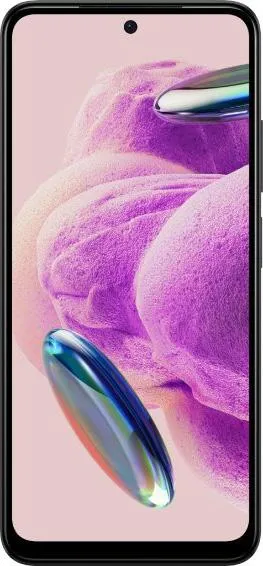
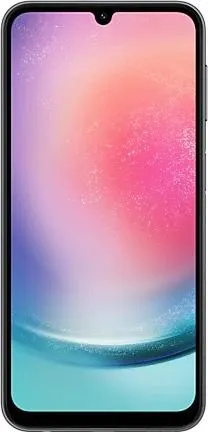
| Feature | Xiaomi Redmi Note 12S | Samsung Galaxy A24 4G | Practical Impact |
|---|---|---|---|
| Design | |||
| Dimensions (mm) | 159.9 x 73.9 x 8.1 | 162.1 x 77.6 x 8.3 | A24 slightly larger and thicker. |
| Weight (g) | 176 | 195 | Redmi Note 12S noticeably lighter, improving one-handed use. |
| Display | |||
| Size (inches) | 6.43 | 6.5 | Negligible size difference. |
| Resolution | 1080 x 2400 | 1080 x 2340 | Virtually identical sharpness. |
| Type | AMOLED, 90Hz | Super AMOLED, 90Hz | Both offer vibrant colors and smooth scrolling. Samsung's "Super" AMOLED might offer slightly improved contrast and outdoor visibility, but this is subjective and can vary. |
| Peak Brightness (nits) | 1000 | 1000 | Comparable outdoor readability. |
| Performance | |||
| Chipset | Mediatek Helio G96 (12 nm) | Mediatek Helio G99 (6 nm) | G99 built on a smaller process node, likely resulting in better power efficiency and potentially slightly better performance, particularly in sustained tasks. |
| CPU | Octa-core (2x2.05 GHz Cortex-A76 & 6x2.0 GHz Cortex-A55) | Octa-core (2x2.2 GHz Cortex-A76 & 6x2.0 GHz Cortex-A55) | A24 has slightly faster clock speeds on performance cores, potentially leading to quicker app launches and multitasking. |
| GPU | Mali-G57 MC2 | Mali-G57 MC2 | Same GPU, but potential performance difference due to chipset differences. |
| RAM | 6GB/8GB | 4GB/6GB/8GB | Both offer adequate RAM for most users; 8GB option provides more headroom for multitasking. |
| Camera | |||
| Main Camera (MP) | 108 | 50 | Redmi Note 12S boasts higher resolution, potentially capturing more detail. However, megapixel count isn't everything; image quality depends on sensor size, processing, and other factors. Samsung's OIS could offer better stability for video and low-light photos. |
| Optical Image Stabilization | No | Yes | A24's OIS will significantly improve video stability and low-light photography. |
| Video Recording | 1080p@30fps | 1080p@30fps with EIS | Both record at 1080p@30fps. A24 has Electronic Image Stabilization (EIS) which will provide some level of stabilization, but OIS is generally superior. |
| Battery | |||
| Capacity (mAh) | 5000 | 5000 | Identical battery capacity. Real-world battery life will depend on usage and the A24's more efficient processor may provide an advantage. |
2. Key Differences Analysis
Xiaomi Redmi Note 12S Advantages:
- Lighter: Noticeably lighter, making it more comfortable for extended use and one-handed operation.
- Higher Resolution Main Camera: Potentially captures more detail in photos.
Samsung Galaxy A24 4G Advantages:
- More Efficient Processor: Likely resulting in better battery life and potentially smoother performance.
- Optical Image Stabilization (OIS): Significant advantage for video recording and low-light photography, resulting in clearer, less shaky footage and sharper images.
- Longer Software Support: Samsung generally provides longer software updates than Xiaomi, potentially enhancing security and longevity.
3. User Profiles & Recommendations
Xiaomi Redmi Note 12S: Users prioritizing a lightweight phone, potentially for extensive one-handed use, and those heavily focused on photo resolution. Budget-conscious users looking for a good all-around device.
Samsung Galaxy A24 4G: Users prioritizing battery life, smoother performance in demanding tasks, and stable video recording. Users who value longer software updates and security.
4. Decision Framework
Key Questions for Buyers:
- How important is battery life and performance? If crucial, the A24's more efficient processor is advantageous.
- Is video stability and low-light photography a priority? The A24's OIS is a significant advantage here.
- How important is long-term software support? Samsung generally provides longer updates.
My Choice: Samsung Galaxy A24 4G
While the Redmi Note 12S boasts a higher resolution main camera and a lighter design, the Samsung Galaxy A24 4G's advantages in crucial areas like processor efficiency, optical image stabilization, and potentially longer software support make it the more compelling choice for me. The more efficient processor should translate to tangible benefits in daily use, providing smoother performance and longer battery life. OIS is a game-changer for video recording and low-light photography, addressing common smartphone weaknesses. Finally, longer software support contributes to the device's longevity and security. While the Redmi Note 12S is a solid option, the A24 offers a more well-rounded package for my needs.
