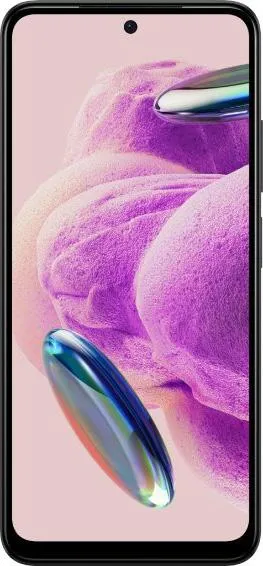
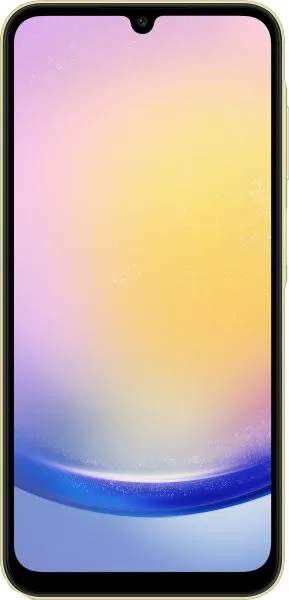
1. Specifications Comparison
| Feature | Xiaomi Redmi Note 12S | Samsung Galaxy A15 5G | Practical Impact |
|---|---|---|---|
| Design | |||
| Dimensions (mm) | 159.9 x 73.9 x 8.1 | 160.1 x 76.8 x 8.4 | A15 slightly larger, might feel less comfortable in smaller hands. Negligible difference overall. |
| Weight (g) | 176 | 200 | Redmi noticeably lighter, reducing hand fatigue during extended use. |
| Display | |||
| Size (inches) | 6.43 | 6.5 | Negligible difference in screen real estate. |
| Resolution (px) | 1080 x 2400 | 1080 x 2340 | Virtually identical sharpness. |
| Type | AMOLED, 90Hz | Super AMOLED, 90Hz | Both offer vibrant colors and smooth scrolling. Samsung's "Super" AMOLED might offer slightly improved contrast and outdoor visibility, but real-world differences can be subtle. Missing color depth and HDR information limits a full comparison. |
| Peak Brightness (nits) | 1000 | 800 | Redmi's higher peak brightness significantly improves outdoor readability in direct sunlight. |
| Performance | |||
| Chipset | Mediatek Helio G96 (12nm) | Mediatek Dimensity 6100+ (6nm) | Dimensity 6100+ built on a smaller process node, suggesting better power efficiency and potentially improved performance, especially sustained performance. |
| CPU | Octa-core (2x2.05 GHz Cortex-A76 & 6x2.0 GHz Cortex-A55) | Octa-core (2x2.2 GHz Cortex-A76 & 6x2.0 GHz Cortex-A55) | A15's slightly higher clock speed on the performance cores could offer a minor advantage in demanding tasks. |
| GPU | Mali-G57 MC2 | Mali-G57 MC2 | Same GPU, but potential performance differences could arise due to chipset optimizations and thermal management. Missing GPU frequency for A15 makes detailed comparison difficult. |
| RAM | 6GB/8GB | 4GB/6GB/8GB | More RAM options available for both. 8GB variant offers better multitasking and smoother performance. |
| OS | Android 13 | Android 14 | A15 ships with a newer Android version, offering potential feature and security advantages and longer software support up to Android 17. |
| Camera | |||
| Main Camera (MP) | 108 | 50 | Redmi boasts much higher resolution, potentially capturing more detail. However, sensor size and image processing play a crucial role in overall image quality. Missing sensor size and pixel size information hinders detailed analysis. |
| Selfie Camera (MP) | 16 | 13 | Redmi with slightly higher resolution selfie camera. |
| Video Recording | 1080p@30fps | 1080p@30fps with EIS | Both offer basic video recording. A15 features Electronic Image Stabilization (EIS) for smoother footage. A15 also lists 240fps slow-motion which is not possible at 1080p resolution; this is likely a spec sheet error. |
| Battery | |||
| Capacity (mAh) | 5000 | 5000 | Identical battery capacity. Real-world battery life depends on factors like software optimization and chipset efficiency. |
2. Key Differences Analysis
Xiaomi Redmi Note 12S Advantages:
- Brighter Display: Significantly better outdoor visibility.
- Higher Resolution Main Camera: Potentially more detailed photos.
- Lighter Weight: More comfortable for extended use.
Samsung Galaxy A15 5G Advantages:
- More Efficient Chipset: Likely better battery life and sustained performance.
- Newer Android Version: Longer software support and newer features.
- 5G Connectivity: Future-proofed for faster mobile data speeds.
- Electronic Image Stabilization: Smoother video recording.
3. User Profiles & Recommendations
Redmi Note 12S: Users prioritizing a bright display, potentially better camera detail in good lighting, and a lightweight design. Ideal for outdoor use, photography enthusiasts (depending on sensor quality), and those sensitive to phone weight.
Samsung Galaxy A15 5G: Users valuing future-proof 5G connectivity, longer software updates, smoother video recording, and potentially better battery life and performance in demanding tasks. Ideal for those wanting the latest technology, longer-term use, and stable performance.
4. Decision Framework
Key Questions for Buyers:
- Is 5G connectivity essential now or in the near future?
- Is longer software update support a priority?
- Which is more important: a brighter display or potentially better battery life/performance?
Scenario-Based Recommendations:
- Limited Budget, prioritizing media consumption: Redmi Note 12S offers a compelling display and potentially better camera hardware at a lower price.
- Future-proof device with reliable performance: Samsung Galaxy A15 5G offers 5G, longer software updates, and a more efficient chipset for sustained performance.
My Choice: Samsung Galaxy A15 5G
While the Redmi Note 12S offers a brighter display and potentially better camera hardware in good lighting (missing sensor details make a definitive statement difficult), the Samsung Galaxy A15 5G offers crucial advantages for long-term use. The more efficient chipset, newer Android version with longer update support, and 5G connectivity make it a more future-proof choice. The slightly heavier weight is a minor trade-off for these benefits. Furthermore, the Dimensity 6100+ should offer a better overall user experience with smoother performance in the long run. Ultimately, the A15 5G provides a more well-rounded package for my needs.
