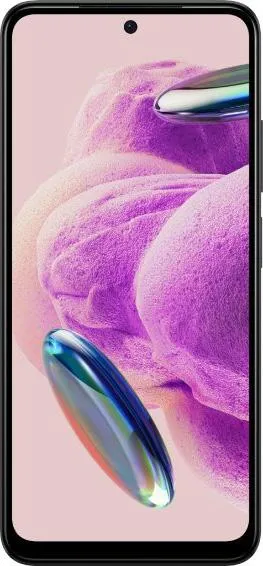
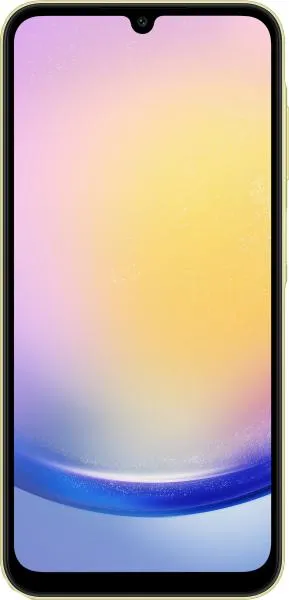
1. Specifications Comparison
| Feature | Xiaomi Redmi Note 12S | Samsung Galaxy A15 | Practical Impact |
|---|---|---|---|
| Design | |||
| Dimensions (mm) | 159.9 x 73.9 x 8.1 | 160.1 x 76.8 x 8.4 | Negligible size difference; both are similarly sized phones. |
| Weight (g) | 176 | 200 | The Redmi Note 12S is noticeably lighter, improving one-handed use. |
| Display | |||
| Display Type | AMOLED, 90Hz | Super AMOLED, 90Hz | Both offer smooth scrolling and vibrant colors. "Super" AMOLED marketing often indicates minor enhancements which may not be practically noticeable. |
| Display Size (inches) | 6.43 | 6.5 | Very slight size difference, practically insignificant. |
| Resolution | 1080 x 2400 | 1080 x 2340 | Nearly identical resolutions; sharpness will be comparable. |
| Peak Brightness (nits) | 1000 | 800 | The Redmi Note 12S can get brighter, improving outdoor visibility. |
| Performance | |||
| Chipset | Mediatek Helio G96 (12nm) | Mediatek Helio G99 (6nm) | The A15's 6nm process should result in better battery efficiency and potentially slightly better performance. |
| CPU | Octa-core (2x2.05 GHz Cortex-A76 & 6x2.0 GHz Cortex-A55) | Octa-core (2x2.2 GHz Cortex-A76 & 6x2.0 GHz Cortex-A55) | The A15 has a slightly faster clock speed on its performance cores, potentially offering a slight edge in demanding tasks. |
| GPU | Mali-G57 MC2 | Mali-G57 MC2 | Same GPU; graphical performance should be similar. |
| RAM | 6GB (as reviewed) | 4/6/8GB (variant dependent) | We are comparing the 6GB Redmi variant. RAM parity means similar multitasking capabilities. Higher RAM A15 variants will offer better multitasking. |
| Camera | |||
| Main Camera (MP) | 108 | 50 | The Redmi Note 12S boasts significantly higher resolution, potentially capturing more detail. However, megapixels alone don't guarantee image quality. Missing sensor details for the A15 limit a full comparison. |
| Video Recording | 1080p@30fps | 1080p@30fps | Identical video resolution and frame rate. The A15 lists 240fps slow-motion, but at an unspecified resolution. |
| Battery | |||
| Capacity (mAh) | 5000 | 5000 | Same battery capacity; real-world battery life will depend on software optimization and chipset efficiency. |
2. Key Differences Analysis
Xiaomi Redmi Note 12S Advantages:
- Brighter Display: Better outdoor visibility.
- Higher Resolution Main Camera: Potential for more detailed photos.
- Lighter Weight: More comfortable for extended use.
Samsung Galaxy A15 Advantages:
- More Efficient Chipset: Potentially longer battery life.
- Slightly Faster CPU: Potential for smoother performance in demanding tasks.
- Newer Android Version: Access to latest features and longer software support (OS Max Version 17 vs. unknown for Redmi).
- 5G Connectivity: Future-proofed for faster mobile data (depending on variant and region).
3. User Profiles & Recommendations
Xiaomi Redmi Note 12S: Users prioritizing a bright display, a high-resolution camera for everyday photography, and a lightweight design. Suitable for:
- Social media enthusiasts
- Casual photographers
- Users sensitive to phone weight
Samsung Galaxy A15: Users who value battery life, longer software updates, and want 5G connectivity. Suitable for:
- Users who heavily rely on their phone throughout the day
- Those seeking the latest Android features and security updates
- Users in areas with good 5G coverage
4. Decision Framework
Key Questions for Buyers:
- Is 5G connectivity essential? The A15 offers 5G, while the Redmi Note 12S does not.
- How important is battery life? The A15's more efficient chip may provide longer battery life.
- What is your budget and which specific RAM/Storage variant are you comparing? The A15 has a wider range of memory/storage options at various price points.
My Choice:
I would choose the Samsung Galaxy A15. While the Redmi Note 12S has a brighter display and higher resolution main camera, the A15's advantages in battery efficiency (thanks to the 6nm chipset), confirmed longer software support, and 5G connectivity are more compelling for my needs. I prioritize future-proofing and all-day battery life over slightly better camera resolution or screen brightness. The slightly faster CPU is a bonus. I am assuming I can afford a variant with at least 6GB of RAM to match the Redmi. If only the 4GB variant fits my budget, the decision becomes more difficult, and I would lean toward the Redmi Note 12S for the better performance with equal RAM.
