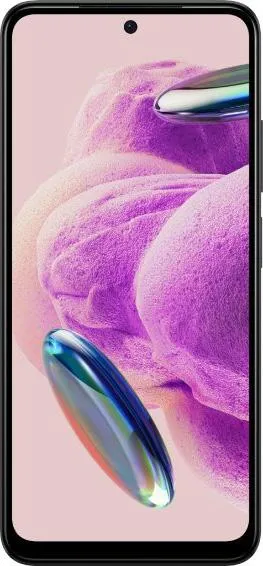
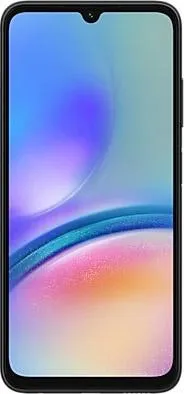
1. Specifications Comparison
| Feature | Xiaomi Redmi Note 12S | Samsung Galaxy A05s | Practical Impact |
|---|---|---|---|
| Design | |||
| Dimensions (mm) | 159.9 x 73.9 x 8.1 | 168 x 77.8 x 8.8 | The Redmi Note 12S is noticeably smaller and thinner, making it more pocketable and easier to handle. |
| Weight (g) | 176 | 194 | The Redmi Note 12S is lighter, reducing hand fatigue during extended use. |
| Display | |||
| Display Type | AMOLED, 90Hz | PLS LCD, 90Hz | AMOLED offers deeper blacks, more vibrant colors, and better power efficiency compared to LCD. The 90Hz refresh rate on both ensures smoother scrolling and animations. |
| Display Size (inches) | 6.43 | 6.7 | The Galaxy A05s has a slightly larger screen, providing more screen real estate for media consumption but potentially impacting one-handed usability. |
| Resolution | 1080 x 2400 | 1080 x 2400 | Both phones have the same sharp Full HD+ resolution. |
| Peak Brightness (nits) | 1000 | Unspecified | The Redmi Note 12S's higher peak brightness ensures better visibility in direct sunlight. The lack of specified peak brightness for the A05s makes direct comparison impossible. |
| Performance | |||
| Chipset | Mediatek Helio G96 (12 nm) | Qualcomm Snapdragon 680 4G (6 nm) | The Snapdragon 680, while less powerful in benchmarks, is built on a more efficient 6nm process, potentially leading to better battery life. The Helio G96 might offer slightly better gaming performance. |
| CPU | Octa-core (2x2.05 GHz Cortex-A76 & 6x2.0 GHz Cortex-A55) | Octa-core (4x2.4 GHz Kryo 265 Gold & 4x1.9 GHz Kryo 265 Silver) | CPU comparisons are complex. Different architectures make direct comparisons difficult without real-world testing. |
| GPU | Mali-G57 MC2 | Adreno 610 | Similar to CPUs, GPU comparison is complex without benchmarks. |
| RAM | 6GB / 8GB | 4GB / 6GB | More RAM (8GB on the Redmi Note 12S) allows for smoother multitasking and better performance with demanding apps. |
| Camera | |||
| Main Camera | 108MP | 50MP | The Redmi Note 12S boasts a higher resolution main camera, potentially capturing more detail. However, megapixels alone don't guarantee image quality. Sensor size and processing are crucial. |
| Selfie Camera | 16MP | 13MP | The Redmi Note 12S has a slightly higher resolution front-facing camera. |
| Video Recording | 1080p@30fps | 1080p@30/60fps | The Galaxy A05s offers 60fps recording for smoother video footage. |
| Battery | |||
| Capacity | 5000 mAh | 5000 mAh | Both phones have the same battery capacity. Actual battery life depends on usage and optimization. |
2. Key Differences Analysis
Xiaomi Redmi Note 12S Advantages:
- Brighter, more vibrant AMOLED display: Offers superior visual experience.
- Higher resolution main camera: Potentially captures more detailed photos.
- Smaller and lighter design: More comfortable for one-handed use and portability.
- More RAM in higher-end configuration: Better multitasking and performance.
Samsung Galaxy A05s Advantages:
- Potentially better battery life: More efficient processor.
- 60fps video recording: Smoother video footage.
- Slightly Larger Display: More screen real estate for media consumption.
3. User Profiles & Recommendations
Xiaomi Redmi Note 12S: Users who prioritize display quality, camera resolution, a compact design, and performance for demanding tasks and gaming.
Samsung Galaxy A05s: Users who prioritize battery life, larger screen size and value smooth video recording. Suitable for everyday tasks, social media, and casual gaming.
4. Decision Framework
Key Questions for Buyers:
- Is display quality a top priority? If yes, the Redmi Note 12S's AMOLED screen is a strong advantage.
- How important is battery life? If this is crucial, the Galaxy A05s's efficient processor might be preferable. Real world battery tests are needed for definitive comparison.
- What is your budget and required storage? Consider RAM and storage options alongside price differences.
My Choice: Xiaomi Redmi Note 12S
While the Galaxy A05s offers potential advantages in battery life and video recording, the Redmi Note 12S's superior AMOLED display, more compact design, and generally better performance (especially with 8GB RAM) make it the more compelling device for me. I prioritize display quality and a comfortable in-hand feel, and the Redmi Note 12S delivers on both fronts. The higher resolution main camera is also a plus, although real-world image comparisons would be necessary for a definitive judgment. The slightly higher price for the Redmi Note 12S is justifiable for the noticeable upgrade in display and design.
