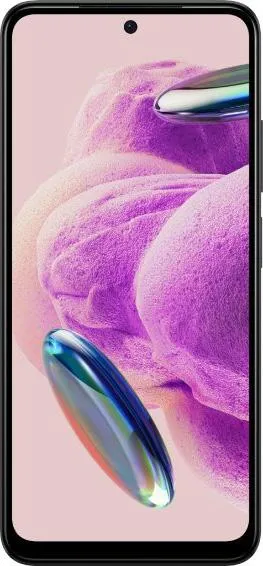
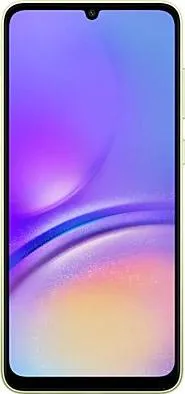
1. Specifications Comparison
| Feature | Xiaomi Redmi Note 12S | Samsung Galaxy A05 | Practical Impact |
|---|---|---|---|
| Design | |||
| Dimensions (mm) | 159.9 x 73.9 x 8.1 | 168.8 x 78.2 x 8.8 | The Redmi Note 12S is noticeably smaller and thinner, making it more pocketable and easier to handle. |
| Weight (g) | 176 | 195 | The Redmi Note 12S is lighter, further enhancing one-handed use. |
| Build | Material specifications are missing, preventing a detailed comparison. | ||
| Display | |||
| Display Type | AMOLED | PLS LCD | AMOLED offers deeper blacks, more vibrant colors, and better power efficiency compared to the LCD on the A05. |
| Display Size (inches) | 6.43 | 6.7 | The A05 has a slightly larger display, providing more screen real estate for media consumption. |
| Resolution | 1080 x 2400 | 720 x 1600 | The Redmi Note 12S has a significantly sharper display due to its higher resolution, resulting in clearer text and images. |
| Refresh Rate | 90Hz | Unspecified | The 90Hz refresh rate on the Redmi Note 12S delivers smoother animations and scrolling compared to a standard 60Hz likely on the A05. |
| Peak Brightness | 1000 nits | Unspecified | The Redmi Note 12S's higher peak brightness ensures better visibility in direct sunlight. While the A05's peak brightness is not specified, we can infer it will likely be lower than 1000 nits. |
| Performance | |||
| Chipset | Mediatek Helio G96 | Mediatek Helio G85 | Both chipsets are targeted towards mid-range performance, but the G96 in the Redmi Note 12S generally offers slightly better performance in benchmarks. |
| CPU | Octa-core (2x2.05 GHz Cortex-A76 & 6x2.0 GHz Cortex-A55) | Octa-core (2x2.0 GHz Cortex-A75 & 6x1.8 GHz Cortex-A55) | While seemingly similar, the architectural differences in the CPU cores might give the Redmi Note 12S a slight edge in demanding tasks. |
| GPU | Mali-G57 MC2 | Mali-G52 MC2 | The Mali-G57 in the Redmi Note 12S offers better graphics performance than the Mali-G52, resulting in smoother gaming and faster rendering. |
| RAM | 6GB (as reviewed) | 4GB (as reviewed) | More RAM on the Redmi Note 12S enables better multitasking and reduces app closures in the background. The A05 offers a 6GB variant, but we're reviewing the 4GB. |
| Camera | |||
| Main Camera | 108MP | 50MP | The Redmi Note 12S boasts a higher resolution main camera, potentially capturing more detail. However, megapixels alone don't guarantee image quality. Missing sensor details for both phones limit a comprehensive analysis. |
| Video Recording | 1080p@30fps | 1080p@30/60fps | While both can record 1080p, the A05 offers 60fps recording for smoother video. |
| Battery | |||
| Capacity | 5000 mAh | 5000 mAh | Both phones have the same battery capacity, suggesting similar potential battery life. Real-world usage will depend on software optimization and user habits. |
2. Key Differences Analysis
Xiaomi Redmi Note 12S Advantages:
- Superior Display: AMOLED with higher resolution, refresh rate, and peak brightness.
- Better Performance: Slightly faster processor and GPU, more RAM.
- More Compact Design: Smaller and lighter.
- NFC: Enables contactless payments and other NFC functionalities.
Samsung Galaxy A05 Advantages:
- 60fps Video Recording: Smoother video capture.
- Potentially Lower Price: Belongs to a lower price range.
3. User Profiles & Recommendations
Xiaomi Redmi Note 12S: Users who prioritize display quality, performance, and a compact design. Suitable for gaming, media consumption, and general use.
Samsung Galaxy A05: Budget-conscious users who prioritize basic functionality and a large screen. Suitable for casual use, social media, and less demanding tasks.
4. Decision Framework
Key Questions:
- What is your budget? The A05 is expected to be cheaper.
- What is your primary use case? The Redmi Note 12S excels in demanding tasks while the A05 is sufficient for basic use.
- Which features are most important to you? Prioritize display, performance, and compact design? Choose the Redmi Note 12S. Prioritize large screen size and affordability? Choose the A05.
My Choice: Xiaomi Redmi Note 12S
While the Samsung Galaxy A05 offers a larger display and 60fps video recording at a lower price point, the Xiaomi Redmi Note 12S is the superior device overall. The significantly better display (AMOLED, higher resolution, 90Hz), improved performance (faster processor, GPU, and more RAM), NFC functionality, and more compact design outweigh the A05's advantages for me. The price difference is justifiable for the significant upgrade in user experience. I value a sharp, smooth display and responsive performance, which the Redmi Note 12S delivers.
