1. Specifications Comparison
| Feature | Xiaomi Redmi Note 12S | Realme Note 50 | Practical Impact |
|---|---|---|---|
| Design | |||
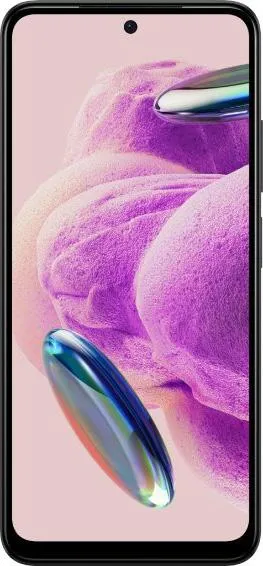
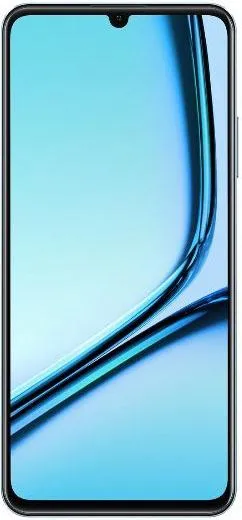
| Dimensions (mm) | 159.9 x 73.9 x 8.1 | 167.2 x 76.7 x 8 | Redmi Note 12S is noticeably smaller and might be more comfortable for one-handed use. |
| Weight (g) | 176 | 186 | Redmi Note 12S is slightly lighter. |
| Build | Not specified | Not specified | Build quality and materials can significantly impact durability and feel, but we lack this information. |
| Display | |||
| Display Type | AMOLED, 90Hz | IPS LCD, 90Hz | Redmi's AMOLED offers better contrast, deeper blacks, and potentially brighter colors. |
| Display Size | 6.43" | 6.74" | Realme offers a larger screen for media consumption but may be less pocketable. |
| Resolution | 1080 x 2400 (409 ppi) | 720 x 1600 (260 ppi) | Redmi has a significantly sharper display, resulting in clearer text and images. Realme's lower resolution will appear pixelated. |
| Peak Brightness | 1000 nits | 560 nits | Redmi will be much easier to see outdoors in sunlight. |
| Performance | |||
| Chipset | Mediatek Helio G96 | Unisoc Tiger T612 | Both are budget-oriented chipsets, but the Helio G96 generally offers slightly better performance in benchmarks and gaming. |
| CPU | Octa-core (2x2.05 GHz A76 & 6x2.0 GHz A55) | Octa-core (2x1.8 GHz A75 & 6x1.8 GHz A55) | Redmi's CPU has a slight clock speed advantage, potentially leading to faster app loading and multitasking. |
| GPU | Mali-G57 MC2 | Mali-G57 MP1 | Redmi's GPU likely offers better gaming performance due to having more cores. |
| RAM | 6GB/8GB | 4GB | Redmi offers more RAM, enabling smoother multitasking and less frequent app reloading. |
| Camera | |||
| Main Camera | 108MP, f/1.8 | 13MP, f/2.2 | Redmi's higher resolution main camera potentially captures more detail. The wider aperture allows for better low-light performance. |
| Other Cameras | 8MP ultrawide, 2MP macro, 16MP selfie | 2MP B&W, 5MP selfie | Redmi offers a more versatile camera setup with an ultrawide lens. Realme's B&W sensor is less useful in most scenarios. Redmi also has a higher resolution selfie camera. |
| Battery | |||
| Capacity | 5000 mAh | 5000 mAh | Both phones have the same battery capacity, but real-world battery life depends on optimization and usage patterns. |
2. Key Differences Analysis
Xiaomi Redmi Note 12S Advantages:
- Superior Display: AMOLED with higher resolution and brightness delivers a much better viewing experience.
- Better Performance: Slightly faster processor and GPU, along with more RAM, provide smoother performance.
- More Versatile Camera: Higher resolution main camera, ultrawide lens, and better selfie camera.
- NFC: Enables contactless payments and other NFC functionalities.
Realme Note 50 Advantages:
- Larger Display: Offers a bigger screen for those who prioritize media consumption.
- Lower Price: Positioned in a lower price bracket, making it more budget-friendly.
3. User Profiles & Recommendations
Xiaomi Redmi Note 12S: Suitable for users who prioritize display quality, performance, camera versatility, and features like NFC. Ideal for gaming, media consumption, photography enthusiasts, and those who want a smooth overall experience.
Realme Note 50: Best for budget-conscious users who primarily use their phones for basic tasks like calling, texting, browsing, and social media. The larger screen is beneficial for media consumption, but the lower resolution is a noticeable compromise.
4. Decision Framework
Key Questions for Buyers:
- What is your budget? The Realme Note 50 is significantly cheaper.
- What are your priorities? Display quality, performance, and camera are significantly better on the Redmi Note 12S. If these are crucial, the price difference may be worth it. If budget is extremely tight, the Realme offers a larger display but compromises on other features.
- What are your typical usage patterns? For demanding tasks like gaming or heavy multitasking, the Redmi Note 12S is better equipped. For basic usage, the Realme Note 50 might suffice.
My Choice: Xiaomi Redmi Note 12S
While the Realme Note 50 offers a lower price and larger display, the significant compromises in display quality, performance, and camera make the Xiaomi Redmi Note 12S the better overall choice for me. The superior AMOLED display, faster processor, more versatile camera system, and inclusion of NFC offer a significantly better user experience. I value these features more than a slightly larger display size or marginal cost savings. The sharper resolution and higher brightness of the Redmi's display alone are major factors in my decision. Additionally, the performance difference, though not massive, would be noticeable in day-to-day use and impact long-term satisfaction.
