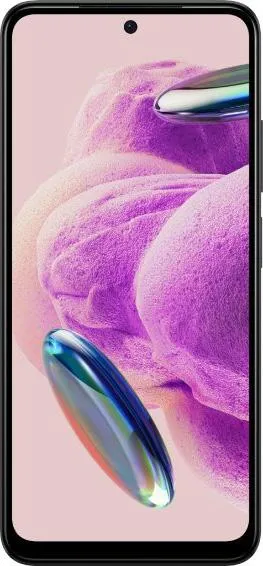
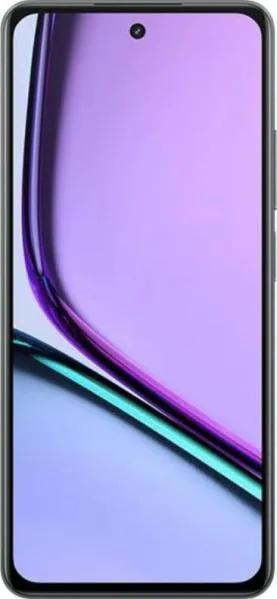
1. Specifications Comparison
| Feature | Xiaomi Redmi Note 12S | Realme C67 | Practical Impact |
|---|---|---|---|
| Design | |||
| Dimensions (mm) | 159.9 x 73.9 x 8.1 | 165.7 x 76 x 7.9 | Redmi Note 12S is slightly smaller and thinner. |
| Weight (g) | 176 | 190 | Redmi Note 12S is noticeably lighter. |
| Build | Not specified | Not specified | Build materials impact durability and premium feel; this information is missing. |
| Display | |||
| Type | AMOLED, 90Hz | IPS LCD, 120Hz | Redmi Note 12S offers deeper blacks and better contrast with AMOLED, but Realme C67 has a smoother display with 120Hz refresh rate. |
| Size (inches) | 6.43 | 6.72 | Realme C67 has a larger screen, better for media consumption. |
| Resolution | 1080 x 2400 | 1080 x 2400 | Same resolution, but Realme C67 has slightly lower pixel density due to larger screen size. |
| Peak Brightness (nits) | 1000 | 680 | Redmi Note 12S offers significantly higher peak brightness, crucial for outdoor visibility. |
| Performance | |||
| Chipset | Mediatek Helio G96 (12nm) | Mediatek Dimensity 6100+ (6nm) | Dimensity 6100+ is built on a smaller node (6nm vs 12nm), suggesting better power efficiency and potentially better performance. |
| CPU | Octa-core (2x2.05 GHz Cortex-A76 & 6x2.0 GHz Cortex-A55) | Octa-core (2x2.2 GHz Cortex-A76 & 6x2.0 GHz Cortex-A55) | Realme C67 has a slightly faster CPU clock speed, which might result in slightly quicker app loading and multitasking. |
| GPU | Mali-G57 MC2 | Mali-G57 MC2 | Same GPU, but performance might vary due to different chipset implementations. |
| RAM | 6GB/8GB | 6GB/8GB/12GB | Both offer similar RAM options, impacting multitasking capabilities. |
| Camera | |||
| Main Camera | 108MP, f/1.8 | 108MP, f/1.75 | Realme C67 has a slightly wider aperture (f/1.75), allowing for potentially better low-light performance. |
| Other Cameras | 8MP ultrawide, 2MP macro, 16MP selfie | 2MP macro, 8MP selfie | Redmi Note 12S offers an ultrawide camera, providing more versatile shooting options. Realme C67 has a lower resolution selfie camera. |
| Video Recording | 1080p@30fps | 1080p@30fps | Both offer similar video recording capabilities. |
| Battery | |||
| Capacity | 5000 mAh | 5000 mAh | Same battery capacity, but actual battery life depends on various factors like software optimization and display technology. |
| Charging | Not specified | Not specified | Charging speed significantly impacts usability; this information is crucial and missing. |
| Other | |||
| NFC | Yes | No | Redmi Note 12S supports NFC for contactless payments and other functionalities. |
| OS | Android 13 | Android 13 | Both run on the latest Android version. |
2. Key Differences Analysis
Redmi Note 12S Advantages:
- Brighter AMOLED Display: Better contrast, deeper blacks, and significantly better outdoor visibility.
- NFC: Enables contactless payments and other convenient features.
- Lighter and Slightly Smaller: More comfortable for one-handed use and portability.
- Ultrawide Camera: Offers more versatile photography options.
Realme C67 Advantages:
- Higher Refresh Rate Display: Smoother scrolling and animations, resulting in a more fluid user experience.
- Slightly Faster CPU: Potentially faster app loading and multitasking.
- Slightly Wider Main Camera Aperture: Potentially better low-light photography.
3. User Profiles & Recommendations
Redmi Note 12S: Ideal for users who prioritize display quality, NFC functionality, and a lighter, more compact phone. Suitable for everyday use, media consumption, and mobile photography.
Realme C67: Ideal for users who value a smooth display experience and potentially slightly faster performance. Suitable for gaming, media consumption, and general use. Price sensitive users might find this appealing if it is significantly cheaper.
4. Decision Framework
Key Questions for Buyers:
- Is display quality or refresh rate more important? AMOLED offers richer visuals, while a higher refresh rate provides a smoother experience.
- Do you need NFC for contactless payments?
- Is a slightly larger screen size preferred for media consumption?
Scenario-Based Recommendations:
- For a user prioritizing vibrant visuals and NFC: Redmi Note 12S.
- For a gamer who values smooth gameplay: Realme C67.
- For a budget-conscious user who primarily uses their phone for basic tasks: Realme C67, if priced significantly lower.
My Choice: Xiaomi Redmi Note 12S
While the Realme C67 boasts a 120Hz refresh rate and slightly faster CPU, the Xiaomi Redmi Note 12S offers a superior overall package for my needs. The AMOLED display is a significant differentiator, providing much better contrast and outdoor visibility, which I prioritize. Additionally, NFC is essential for my daily use of contactless payments. The lighter weight and inclusion of an ultrawide camera further solidify my preference for the Redmi Note 12S. While the Realme C67 might be a good choice for specific users (e.g., gamers on a tight budget), the Redmi Note 12S offers a more well-rounded and practically advantageous experience for my usage.
