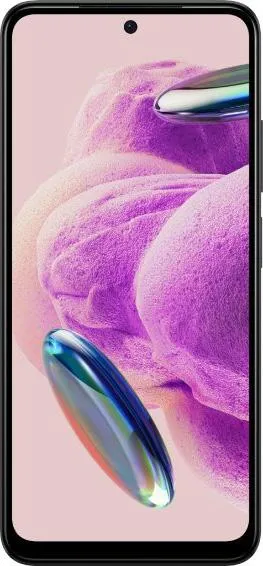
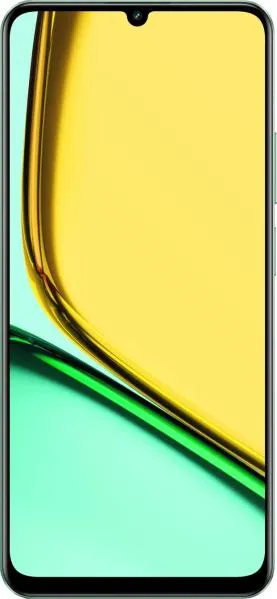
1. Specifications Comparison
| Feature | Xiaomi Redmi Note 12S | Realme C61 | Practical Impact |
|---|---|---|---|
| Design | |||
| Dimensions (mm) | 159.9 x 73.9 x 8.1 | 167.3 x 76.7 x 7.8 | Redmi Note 12S is slightly smaller and thinner. Realme C61 is taller and wider. |
| Weight (g) | 176 | 188 | Redmi Note 12S is noticeably lighter, improving one-handed use. |
| Build Material | Not specified | Not specified | Cannot compare build quality and durability. |
| Display | |||
| Display Type | AMOLED, 90Hz | IPS LCD, 90Hz | Redmi Note 12S offers deeper blacks, vibrant colors, and better power efficiency with AMOLED. Realme C61 might be slightly more visible in direct sunlight. |
| Display Size (inches) | 6.43 | 6.74 | Realme C61 offers a larger screen for media consumption, but might be less pocketable. |
| Resolution | 1080 x 2400 (FHD+) | 720 x 1600 (HD+) | Redmi Note 12S has significantly sharper visuals due to higher resolution. |
| Pixel Density (PPI) | 409 | 260 | Text and images will appear much sharper on the Redmi Note 12S. Realme C61's display will look pixelated in comparison. |
| Peak Brightness (nits) | 1000 | 560 (HBM) | Redmi Note 12S will be significantly more visible outdoors in bright sunlight. |
| Performance | |||
| Chipset | Mediatek Helio G96 | Unisoc Tiger T612 | Both are entry-level chipsets. Helio G96 generally offers slightly better performance in benchmarks. Real-world difference might be minimal for basic tasks. |
| CPU | Octa-core (2x2.05 GHz A76 & 6x2.0 GHz A55) | Octa-core (2x1.8 GHz A75 & 6x1.8 GHz A55) | Redmi Note 12S likely has a slight performance edge in demanding tasks due to faster core speeds and more powerful A76 cores. |
| GPU | Mali-G57 MC2 | Mali-G57 MP1 | Redmi Note 12S's GPU should offer better gaming performance. |
| RAM | 6GB | 6GB | Equal RAM capacity should enable similar multitasking capabilities for basic usage. |
| Camera | |||
| Main Camera | 108MP | 50MP | Redmi Note 12S boasts a much higher resolution main sensor potentially capturing more detail. Real-world image quality depends on processing and other factors. |
| Other Cameras | 8MP ultrawide, 2MP macro, 16MP selfie | 2MP depth sensor, 5MP selfie | Redmi Note 12S offers more versatile camera setup with an ultrawide lens. Realme C61 has a lower resolution selfie camera. |
| Battery | |||
| Capacity (mAh) | 5000 | 5000 | Similar battery capacity suggests comparable battery life, though actual usage will depend on other factors. |
| Charging Speed | Not specified | Not specified | Cannot compare charging speeds. |
| Other | |||
| NFC | Yes | No | Redmi Note 12S allows for contactless payments and data transfer. |
| OS | Android 13 | Android 14 | Realme C61 ships with a newer Android version, likely offering longer software support. |
| Price Range | Medium | Low | Realme C61 is positioned as a more budget-friendly option. |
2. Key Differences Analysis
Redmi Note 12S Advantages:
- Superior Display: AMOLED offers better colors, contrast, and power efficiency. Higher resolution leads to sharper visuals.
- Better Performance: Slightly more powerful chipset and GPU.
- More Versatile Camera System: Higher resolution main sensor and ultrawide lens.
- NFC: Enables contactless payments.
Realme C61 Advantages:
- Larger Display: Provides a more immersive experience for media consumption.
- Lower Price: More budget-friendly option.
- Newer Android Version: Potentially longer software updates and support.
3. User Profiles & Recommendations
Redmi Note 12S: Suitable for users who prioritize display quality, performance, camera versatility, and NFC functionality. Ideal for multimedia consumption, mobile gaming, and those who prefer a vibrant, sharp screen.
Realme C61: Suitable for budget-conscious users who primarily need a large screen for basic tasks like browsing, social media, and video streaming. Ideal for users who don't engage in demanding tasks or require high-quality photography.
4. Decision Framework
Key Questions for Buyers:
- What is your budget? Realme C61 offers significant cost savings.
- What is your primary use case? Redmi Note 12S excels in multimedia and gaming, while Realme C61 focuses on basic tasks and a large display.
- Which features are most important to you? Consider display quality, camera versatility, performance, NFC, and software updates.
My Choice: Xiaomi Redmi Note 12S
While the Realme C61 offers a compelling price point, the Xiaomi Redmi Note 12S provides a significantly better overall user experience. The superior AMOLED display, better performance, more versatile camera system, and the inclusion of NFC for contactless payments justify the price difference for me. The sharper resolution and brighter display of the Redmi Note 12S alone are huge factors. Although the Realme C61 has a newer version of Android, the hardware limitations would ultimately make the Redmi Note 12S a more enjoyable phone to use daily. I prioritize display quality and a smooth user experience, making the Redmi Note 12S the clear winner for me.
