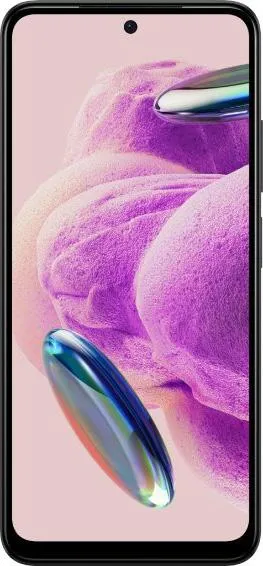
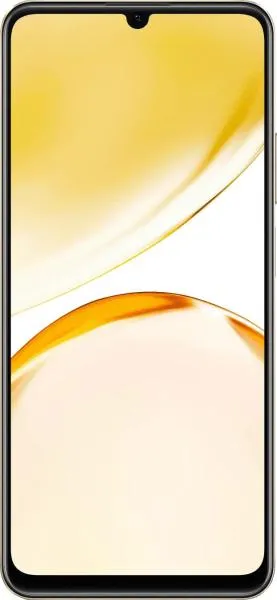
1. Specifications Comparison
| Feature | Xiaomi Redmi Note 12S | Realme C53 | Practical Impact |
|---|---|---|---|
| Design | |||
| Dimensions (mm) | 159.9 x 73.9 x 8.1 | 167.3 x 76.7 x 7.5 | Redmi Note 12S is noticeably smaller and might feel more comfortable in hand. |
| Weight (g) | 176 | 182 | Negligible weight difference in real-world usage. |
| Build | Not specified | Not specified | Cannot compare build quality without more information. |
| Display | |||
| Display Type | AMOLED, 90Hz | IPS LCD, 90Hz | AMOLED offers deeper blacks, vibrant colors, and potentially better power efficiency. |
| Size (inches) | 6.43 | 6.74 | Realme C53 provides a larger screen for media consumption. |
| Resolution | 1080 x 2400 | 720 x 1600 | Redmi Note 12S has a significantly sharper display (409 ppi vs 218 ppi), resulting in clearer text and images. |
| Refresh Rate | 90Hz | 90Hz | Both offer smooth scrolling and animations. |
| Peak Brightness | 1000 nits | 560 nits | Redmi Note 12S will be much more visible in direct sunlight. |
| Performance | |||
| Chipset | Mediatek Helio G96 | Unisoc Tiger T612 | Helio G96 generally offers better performance in benchmarks, potentially translating to smoother multitasking and gaming. |
| CPU | Octa-core (2x2.05 GHz Cortex-A76 & 6x2.0 GHz Cortex-A55) | Octa-core (2x1.8 GHz Cortex-A75 & 6x1.8 GHz Cortex-A55) | Redmi Note 12S likely has a slight performance edge due to higher clock speeds and more powerful Cortex-A76 cores. |
| GPU | Mali-G57 MC2 | Mali-G57 MP1 | Redmi Note 12S's GPU should offer better gaming performance thanks to having two cores instead of one. |
| RAM | 6GB/8GB | 6GB/8GB | Both offer configurations suitable for multitasking, though the impact depends on specific usage. |
| Camera | |||
| Main Camera | 108MP | 50MP | Redmi Note 12S boasts a higher resolution main sensor, potentially capturing more detail. However, megapixels alone don't guarantee image quality. Sensor size and processing are crucial. |
| Other Cameras | 8MP ultrawide, 2MP macro, 16MP selfie | 2MP depth, 8MP selfie | Redmi Note 12S offers an ultrawide camera, providing a wider field of view for landscape shots. Realme C53's depth sensor assists with portrait mode. |
| Video Recording | 1080p@30fps | 1080p@30fps | Both offer basic video recording capabilities. |
| Battery | |||
| Capacity | 5000 mAh | 5000 mAh | Similar battery capacities suggest comparable battery life, though real-world usage may vary based on optimization and other factors. |
| Charging | Not specified | Not specified | Charging speeds cannot be compared without more information. |
| Other | |||
| NFC | Yes | No | Redmi Note 12S supports contactless payments and data transfer via NFC. |
2. Key Differences Analysis
Redmi Note 12S Advantages:
- Superior Display: AMOLED with higher resolution and peak brightness.
- Better Performance: More powerful chipset and GPU.
- More Versatile Camera System: Includes an ultrawide lens and a higher resolution main sensor.
- NFC Functionality: Enables contactless payments.
Realme C53 Advantages:
- Larger Display: Offers more screen real estate.
- Potentially Lower Price: Depending on the specific configuration.
3. User Profiles & Recommendations
Redmi Note 12S: Suitable for users who prioritize display quality, performance, camera versatility, and NFC functionality. Ideal for mobile gaming, media consumption in bright environments, and mobile photography enthusiasts.
Realme C53: Suitable for budget-conscious users who prioritize a large display for media consumption and basic smartphone functionality. Ideal for casual users, social media browsing, and video streaming.
4. Decision Framework
Key Questions for Buyers:
- What is your budget? The Realme C53 might be a more attractive option for those on a tight budget.
- What is your primary use case? Gamers and photography enthusiasts will appreciate the Redmi Note 12S, while those focused on media consumption might prefer the C53's larger screen.
- How important is display quality and brightness? The Redmi Note 12S's AMOLED display is a significant advantage in this area.
My Choice: Xiaomi Redmi Note 12S
While the Realme C53 offers a larger display, the Redmi Note 12S's superior AMOLED display, significantly better performance, more versatile camera system, and NFC functionality make it a more compelling overall package for me. The sharper resolution and higher peak brightness are crucial for a pleasant viewing experience, especially outdoors. The performance difference, while perhaps not massive, would likely become noticeable over time with demanding tasks and gaming. Finally, NFC is essential for me for contactless payments. While the C53 might be a good budget pick, the Redmi Note 12S offers better long-term value and a more enjoyable user experience.
