1. Specifications Comparison
| Feature | Xiaomi Redmi Note 12S | Realme C51 | Practical Impact |
|---|---|---|---|
| Design | |||
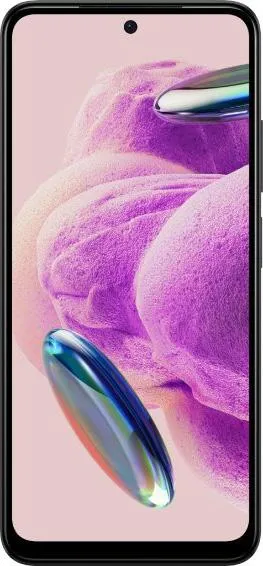
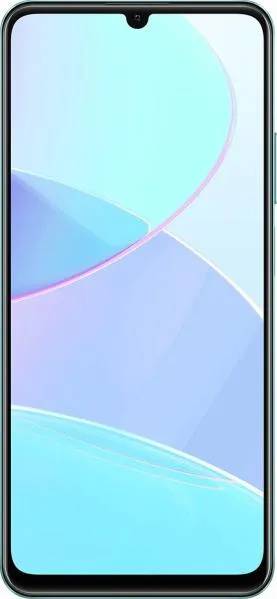
| Dimensions (mm) | 159.9 x 73.9 x 8.1 | 167.2 x 76.7 x 8.0 | The Redmi Note 12S is noticeably smaller and more compact, making it easier to handle and pocket. |
| Weight (g) | 176 | 186 | While the weight difference is minimal, the Redmi Note 12S feels slightly lighter in hand. |
| Build Material | Missing | Missing | Build material significantly impacts durability and premium feel. This information is crucial for a comprehensive comparison. |
| Display | |||
| Display Type | AMOLED, 90Hz | IPS LCD, 90Hz | The AMOLED display on the Redmi Note 12S offers deeper blacks, more vibrant colors, and better power efficiency compared to the Realme C51's IPS LCD. |
| Display Size (inches) | 6.43 | 6.74 | The Realme C51 has a larger display, providing more screen real estate for media consumption and multitasking but may be less comfortable for one-handed use. |
| Resolution | 1080 x 2400 | 720 x 1600 | The significantly higher resolution of the Redmi Note 12S results in sharper text and images, a more detailed viewing experience, noticeably better at 409 ppi vs 260 ppi. |
| Peak Brightness (nits) | 1000 | 560 | The Redmi Note 12S can get much brighter, ensuring better visibility in direct sunlight. |
| Performance | |||
| Chipset | Mediatek Helio G96 | Unisoc Tiger T612 | Both chipsets are targeted towards budget-midrange phones, but benchmarks suggest the Helio G96 generally offers slightly better performance. |
| CPU | Octa-core (2x2.05 GHz Cortex-A76 & 6x2.0 GHz Cortex-A55) | Octa-core (2x1.8 GHz Cortex-A75 & 6x1.8 GHz Cortex-A55) | The Redmi Note 12S has a slight CPU clock speed advantage, potentially leading to faster app loading and smoother multitasking. |
| GPU | Mali-G57 MC2 | Mali-G57 MP1 | The MC2 variant in the Redmi Note 12S suggests a more powerful GPU configuration compared to the MP1, potentially leading to better gaming performance. |
| RAM | 6GB/8GB | 4GB/6GB | More RAM (Redmi) enables smoother multitasking and better performance with demanding applications. |
| Camera | |||
| Main Camera | 108MP | 50MP | While megapixels aren't everything, the Redmi Note 12S's higher resolution main camera potentially captures more detail. Image quality also depends heavily on sensor size and processing algorithms which are not fully detailed here. |
| Front Camera | 16MP | 5MP | The Redmi Note 12S boasts a significantly higher resolution front camera, likely resulting in better selfie quality. |
| Video Recording | 1080p@30fps | 1080p@30fps | Both phones offer the same video resolution and frame rate. |
| Battery | |||
| Capacity | 5000 mAh | 5000 mAh | Both phones have the same battery capacity, suggesting similar potential battery life. Actual battery life will vary based on usage patterns and software optimization. |
| Charging Speed | Missing | Missing | Charging speed significantly impacts usability. This information is crucial for a complete comparison. |
2. Key Differences Analysis
Xiaomi Redmi Note 12S Advantages:
- Superior Display: The AMOLED display with higher resolution and brightness offers a significantly better viewing experience.
- Better Performance: The slightly faster processor, more powerful GPU, and greater RAM options contribute to smoother overall performance.
- Higher Resolution Cameras: Both front and rear cameras boast higher megapixel counts, potentially capturing more detail.
Realme C51 Advantages:
- Larger Display: Provides more screen real estate for media consumption and multitasking.
- Potentially Lower Price: Depending on specific configurations and regional pricing, the Realme C51 might be more affordable.
3. User Profiles & Recommendations
Xiaomi Redmi Note 12S: Ideal for users who prioritize display quality, performance, and camera capabilities. Suitable for gaming, media consumption, and photography enthusiasts.
Realme C51: Suitable for users on a tighter budget who prioritize a large display for basic tasks like browsing, social media, and video watching. Less demanding users who prioritize battery life over top-tier performance.
4. Decision Framework
Key Questions for Buyers:
- What is your budget? The Realme C51 is likely the more affordable option.
- What is your primary use case? For demanding tasks like gaming or photography, the Redmi Note 12S is better equipped. For basic tasks, the Realme C51 might suffice.
- How important is display quality? The Redmi Note 12S's AMOLED display offers a significantly better viewing experience.
My Choice: Xiaomi Redmi Note 12S
While missing some key data points like build materials and charging speeds, the Xiaomi Redmi Note 12S is the clear winner for me. The superior AMOLED display, better performance due to the chipset, CPU and GPU, along with higher resolution cameras, make it a more compelling device. Even if the Realme C51 is slightly cheaper, the significant improvements in key areas like display and performance justify the potential price difference. I value a smooth user experience and vibrant visuals, and the Redmi Note 12S delivers on those fronts. The larger display on the Realme C51 is tempting, but the lower resolution makes it a less appealing trade-off for me personally.
