1. Specifications Comparison
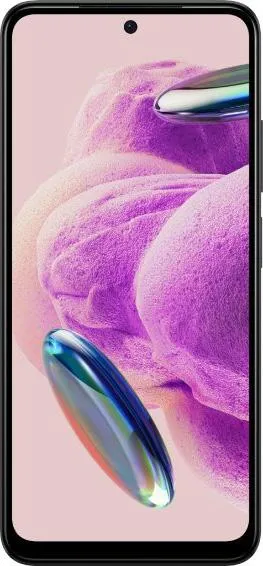
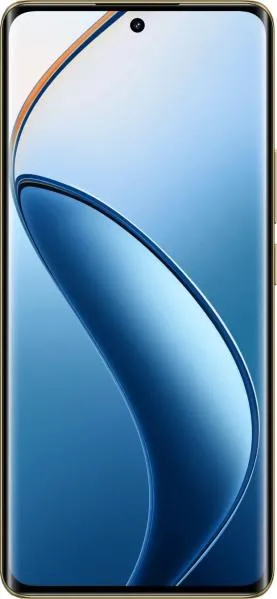
| Feature | Xiaomi Redmi Note 12S | Realme 12 Pro | Practical Impact |
|---|---|---|---|
| Design | |||
| Dimensions (mm) | 159.9 x 73.9 x 8.1 | 161.5 x 74 x 8.8 | Realme 12 Pro is slightly larger and thicker. |
| Weight (g) | 176 | 190 | Redmi Note 12S is noticeably lighter, improving one-handed use. |
| Fingerprint Sensor | Side-mounted | Under-display | Preference-based; under-display feels more modern. |
| Display | |||
| Size (inches) | 6.43 | 6.7 | Realme 12 Pro offers a larger screen for more immersive content. |
| Resolution (px) | 1080 x 2400 | 1080 x 2412 | Virtually identical pixel density; sharpness will be similar. |
| Panel Type | AMOLED | AMOLED | Both offer vibrant colors and deep blacks. |
| Refresh Rate (Hz) | 90 | 120 | Realme 12 Pro's 120Hz offers smoother scrolling and animations. |
| Peak Brightness (nits) | 1000 | 950 | Negligible difference in real-world outdoor visibility. |
| Performance | |||
| Chipset | MediaTek Helio G96 (12nm) | Qualcomm Snapdragon 6 Gen 1 (4nm) | Snapdragon 6 Gen 1 offers significantly better performance and efficiency due to the smaller manufacturing process. |
| CPU | Octa-core (2x2.05 GHz A76 & 6x2.0 GHz A55) | Octa-core (4x2.2 GHz A78 & 4x1.8 GHz A55) | Realme 12 Pro has a more powerful CPU architecture, leading to faster app loading and multitasking. |
| GPU | Mali-G57 MC2 | Adreno 710 | Adreno 710 provides better gaming performance and graphics rendering. |
| RAM (GB) | 6/8 | 8/12 | Realme 12 Pro offers more RAM in its base configuration, benefiting multitasking and demanding apps. |
| Camera | |||
| Main Camera (MP) | 108 | 50 | While Redmi has higher resolution, Realme uses a larger sensor (Sony IMX882) likely resulting in better low-light performance and dynamic range. Practical image quality comparison is needed. |
| Ultrawide (MP) | 8 | 8 | Similar ultrawide capabilities. |
| Other Lenses | Macro | Telephoto, Macro | Realme 12 Pro offers a dedicated telephoto lens for optical zoom, a significant advantage. |
| Video Recording | 1080p@30fps | 4K@30fps, 1080p@120fps | Realme offers superior video recording capabilities with higher resolution and frame rates including slow-motion capture. |
| Battery | |||
| Capacity (mAh) | 5000 | 5000 | Similar battery capacity; real-world battery life depends on usage and efficiency. |
| Charging Speed | Not specified | Not specified | Cannot compare charging speeds without specific data. |
2. Key Differences Analysis
Realme 12 Pro Advantages:
- Significantly better performance: The Snapdragon 6 Gen 1 offers a noticeable improvement in speed and efficiency.
- Smoother display: 120Hz refresh rate provides a more fluid user experience.
- Superior camera system: Telephoto lens, potentially better main sensor, and 4K video recording.
- More recent OS: Ships with Android 14, offering newer features and potentially longer software support.
Xiaomi Redmi Note 12S Advantages:
- Lighter and more compact: Easier to handle and carry.
- Lower starting price: Offers a more budget-friendly option. (Based on provided prices)
3. User Profiles & Recommendations
Realme 12 Pro: Users who prioritize performance, gaming, mobile photography with zoom capabilities, and a smooth display. Suitable for content creation, gaming, and general use.
Xiaomi Redmi Note 12S: Users on a tighter budget who prioritize a lightweight and compact phone for everyday tasks like browsing, social media, and casual photography. Suitable for light users and budget-conscious buyers.
4. Decision Framework
Key Questions:
- What is your budget? The Redmi Note 12S offers a lower entry price.
- What are your performance needs? For demanding tasks and gaming, the Realme 12 Pro is significantly better.
- How important is camera quality? The Realme 12 Pro offers more versatile camera features.
My Choice: Realme 12 Pro
While the Redmi Note 12S offers a lower price and lighter weight, the Realme 12 Pro's significant advantages in performance, camera capabilities, and display make it the better overall choice for me. The Snapdragon 6 Gen 1 provides a much smoother and more responsive user experience, and the inclusion of a telephoto lens expands photographic possibilities. I value the future-proofing offered by the newer chipset and Android OS version. The slightly larger size and weight are acceptable trade-offs for the substantial performance gains.
