
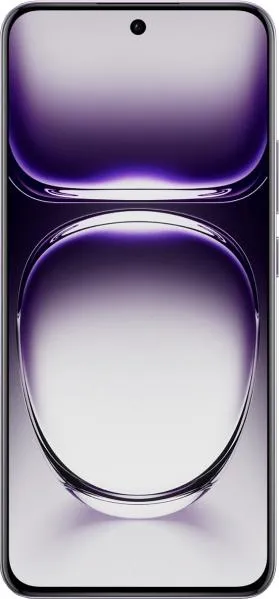
1. Specifications Comparison
| Feature | Xiaomi Redmi Note 12S | Oppo Reno12 Pro | Practical Impact |
|---|---|---|---|
| Design | |||
| Dimensions (mm) | 159.9 x 73.9 x 8.1 | 161.5 x 74.8 x 7.4 | Reno12 Pro is slightly larger and thinner. Negligible difference in daily use. |
| Weight (g) | 176 | 180 | Virtually identical weight; both feel light in hand. |
| Display | |||
| Display Type | AMOLED, 90Hz | AMOLED, 120Hz | Reno12 Pro's 120Hz offers smoother scrolling and animations. |
| Display Size (inches) | 6.43 | 6.7 | Reno12 Pro has a slightly larger screen, better for media consumption. |
| Resolution | 1080 x 2400 | 1080 x 2412 | Nearly identical resolutions; sharpness is comparable on both. |
| Peak Brightness (nits) | 1000 | 1200 | Reno12 Pro is brighter outdoors. |
| Color Depth | Not specified | 1B | Reno12 Pro offers more vibrant and accurate colors. |
| HDR | No | HDR10+ | Reno12 Pro supports HDR content for improved dynamic range in videos. |
| Performance | |||
| Chipset | Mediatek Helio G96 (12nm) | Mediatek Dimensity 7300 (4nm) | Reno12 Pro's newer, more efficient chipset provides significantly better performance and power management. |
| CPU | Octa-core (2x2.05 GHz A76 & 6x2.0 GHz A55) | Octa-core (4x2.5 GHz A78 & 4x2.0 GHz A55) | Reno12 Pro's CPU has faster cores, resulting in noticeably faster app loading, multitasking, and gaming. |
| GPU | Mali-G57 MC2 | Mali-G615 MC2 | Reno12 Pro's GPU offers better gaming performance. |
| RAM | 6GB/8GB | 12GB | Reno12 Pro has significantly more RAM, allowing for smoother multitasking and keeping more apps open in the background. |
| Camera | |||
| Main Camera | 108MP, f/1.8 | 50MP, f/1.8, OIS | While the Redmi Note 12S boasts higher resolution, the Reno12 Pro features Optical Image Stabilization (OIS) for steadier videos and better low-light photos. |
| Ultrawide | 8MP, f/2.2 | 8MP, f/2.2 | Comparable ultrawide cameras. |
| Telephoto | None | 50MP, f/2.0, 2x Optical Zoom | Reno12 Pro offers lossless zoom capabilities. |
| Video Recording | 1080p@30fps | 4K@30fps, OIS, EIS | Reno12 Pro offers significantly better video recording capabilities with higher resolution, OIS, and EIS. |
| Battery | |||
| Capacity | 5000 mAh | 5000 mAh | Similar battery capacities. |
| OS | Android 13 | Android 14 | Reno12 Pro ships with a newer Android version and is promised longer updates (up to Android 17). |
2. Key Differences Analysis
Xiaomi Redmi Note 12S Advantages:
- Potentially Lower Price: Likely more affordable given historical pricing of the Redmi Note series.
Oppo Reno12 Pro Advantages:
- Superior Performance: Significantly faster processor, more RAM, and smoother display.
- Better Camera System: OIS for main camera, dedicated telephoto lens, 4K video recording.
- Longer Software Support: More recent Android version with longer update commitment.
- Brighter Display: Improved outdoor visibility.
Trade-offs:
- The Reno12 Pro's superior features come at a higher price.
3. User Profiles & Recommendations
Xiaomi Redmi Note 12S:
- Budget-conscious users: Prioritize affordability over top-tier performance.
- Light users: Primarily use their phone for basic tasks like calling, texting, and social media.
Oppo Reno12 Pro:
- Performance enthusiasts: Demand smooth multitasking, gaming, and fast app loading.
- Mobile photographers/videographers: Value high-quality cameras, OIS, and 4K video.
- Users who prioritize long-term software updates: Want a phone that will receive updates for several years.
4. Decision Framework
Key Questions for Buyers:
- What is your budget? The Reno12 Pro is significantly more expensive.
- What are your primary phone usage patterns? For basic tasks, the Redmi Note 12S may suffice. For demanding tasks, the Reno12 Pro is better suited.
- How important are camera quality and software updates? The Reno12 Pro significantly outperforms the Redmi Note 12S in these areas.
Scenario-Based Recommendations:
- Limited Budget: Redmi Note 12S
- Best Overall Performance: Oppo Reno12 Pro
- Photography Enthusiast: Oppo Reno12 Pro
My Choice: Oppo Reno12 Pro
While the Redmi Note 12S offers good value for its price, the Oppo Reno12 Pro is the clear winner for me. Its superior performance, thanks to the Dimensity 7300 and 12GB RAM, combined with the excellent camera system with OIS and a telephoto lens, make it a much more compelling device. The longer software update commitment ensures the phone remains relevant for years to come. While more expensive, the Reno12 Pro offers a significant upgrade in overall user experience that justifies the higher price for my needs. I value smooth performance, a good camera, and long-term software support, and the Reno12 Pro delivers on all fronts.
