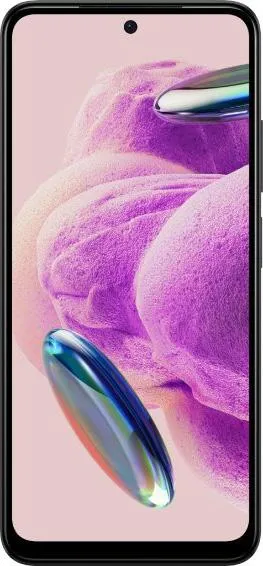
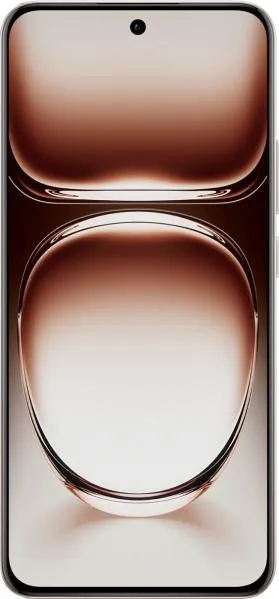
1. Specifications Comparison
| Feature | Xiaomi Redmi Note 12S | Oppo Reno12 | Practical Impact |
|---|---|---|---|
| Design | |||
| Dimensions (mm) | 159.9 x 73.9 x 8.1 | 161.4 x 74.1 x 7.6 | Reno12 is slightly larger and thinner. Negligible difference in daily use. |
| Weight (g) | 176 | 177 | Virtually identical weight. |
| Fingerprint Sensor | Side-mounted | Under-display | Preference-based. Under-display is often perceived as more modern. |
| Display | |||
| Display Size (inches) | 6.43 | 6.7 | Reno12 offers a larger screen for more immersive media consumption. |
| Resolution | 1080 x 2400 | 1080 x 2412 | Nearly identical sharpness. |
| Display Type | AMOLED, 90Hz | AMOLED, 120Hz | Reno12's 120Hz refresh rate provides smoother scrolling and animations. |
| Peak Brightness (nits) | 1000 | 1200 | Reno12's display will be more visible in direct sunlight. |
| HDR | No HDR10/Dolby Vision info available | HDR10+ | Reno12 supports HDR content for a wider dynamic range and richer colors. |
| Color Depth | Not specified | 1B colors | Reno12 offers a wider color gamut for more accurate and vibrant colors. |
| Performance | |||
| Chipset | Mediatek Helio G96 (12nm) | Mediatek Dimensity 7300 (4nm) | Reno12's Dimensity 7300 is significantly more powerful and efficient due to the smaller manufacturing process (4nm vs 12nm). |
| CPU | Octa-core (2x2.05 GHz A76 & 6x2.0 GHz A55) | Octa-core (4x2.5 GHz A78 & 4x2.0 GHz A55) | Reno12 boasts faster and more powerful CPU cores, leading to improved performance in demanding tasks and multitasking. |
| GPU | Mali-G57 MC2 | Mali-G615 MC2 | Reno12's GPU should offer better gaming performance. |
| RAM | 6GB/8GB | 12GB | Reno12's 12GB RAM ensures smoother multitasking and better handling of demanding applications. |
| Camera | |||
| Main Camera | 108MP | 50MP | Redmi Note 12S boasts higher megapixel count, but sensor size and other factors are crucial for image quality. Oppo uses a Sony sensor known for good performance. Real-world comparison needed. |
| Video Recording | 1080p@30fps | 4K@30fps with OIS, EIS | Reno12 provides significantly better video recording capabilities with 4K resolution and optical image stabilization. |
| Battery | |||
| Capacity | 5000 mAh | 5000 mAh | Identical battery capacity. Reno12's more efficient chipset might translate to longer battery life. |
2. Key Differences Analysis
Xiaomi Redmi Note 12S Advantages:
- Potentially lower price: Likely more affordable given the specifications.
- Higher megapixel main camera: May offer more detail in good lighting conditions.
Oppo Reno12 Advantages:
- Significantly better performance: Dimensity 7300 offers superior CPU and GPU performance for demanding tasks and gaming.
- Smoother Display: 120Hz refresh rate delivers a noticeably smoother user experience.
- Superior Video Recording: 4K resolution, OIS, and EIS enable significantly better video quality.
- Brighter Display: Easier to use outdoors in bright sunlight.
- More RAM: Better multitasking and handling of demanding applications.
- More future-proof: Newer OS, guaranteed updates to Android 17.
3. User Profiles & Recommendations
Redmi Note 12S: Budget-conscious users prioritizing basic tasks, social media, and casual photography.
Oppo Reno12: Users who value performance, smooth display, high-quality video recording, and a more future-proof device. Suitable for gaming, content creation, and demanding multitasking.
4. Decision Framework
Key Questions:
- What is your budget? The Redmi Note 12S is likely significantly cheaper.
- What are your primary use cases? Gaming, content creation, and heavy multitasking favor the Reno12. Basic tasks and casual use might be well-served by the Redmi Note 12S.
- How important is future-proofing? The Reno12 offers longer software support.
My Choice: Oppo Reno12
While lacking specific pricing information, the Oppo Reno12 offers a significantly superior overall package. The performance difference due to the chipset and RAM is substantial, impacting daily use and future-proofing. The 120Hz display, better video recording capabilities, brighter screen, and longer software update guarantee outweigh the potential price difference and higher megapixel count on the Redmi Note 12S's main camera, particularly as real-world camera performance is dependent on more than just megapixels. The Reno12 is a more well-rounded and future-proof device, making it the better choice for most users unless budget is extremely tight.
