1. Specifications Comparison
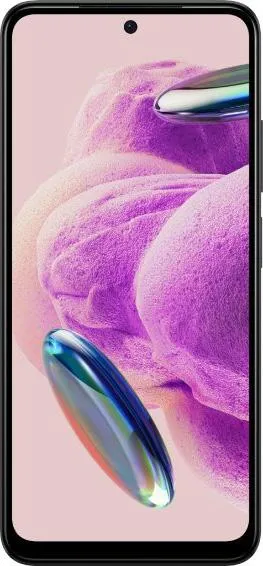
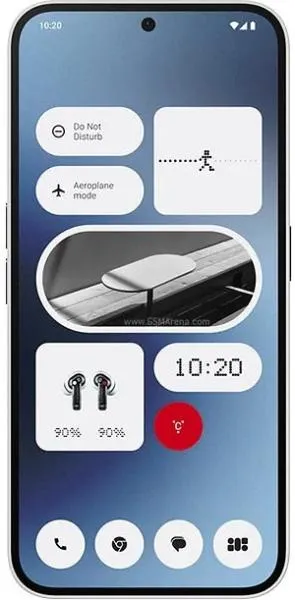
| Feature | Xiaomi Redmi Note 12S | Nothing Phone (2a) | Practical Impact |
|---|---|---|---|
| Design | |||
| Dimensions (mm) | 159.9 x 73.9 x 8.1 | 161.7 x 76.3 x 8.6 | The Nothing Phone (2a) is slightly larger and thicker. |
| Weight (g) | 176 | 190 | The Redmi Note 12S is noticeably lighter, making it more comfortable for extended use. |
| Display | |||
| Display Type | AMOLED, 90Hz | AMOLED, 120Hz | Both offer vibrant colors and deep blacks. The 120Hz refresh rate on the Nothing Phone (2a) provides smoother scrolling and animations. |
| Display Size | 6.43" | 6.7" | The Nothing Phone (2a) offers a slightly larger screen for more immersive content consumption. |
| Resolution | 1080 x 2400 | 1080 x 2412 | Negligible difference in sharpness. |
| Peak Brightness (nits) | 1000 | 1300 | The Nothing Phone (2a) can get significantly brighter, improving outdoor visibility. |
| HDR Support | No HDR10/Dolby Vision | HDR10+ | The Nothing Phone (2a) supports HDR10+ for enhanced video playback with compatible content. |
| Performance | |||
| Chipset | Mediatek Helio G96 (12 nm) | Mediatek Dimensity 7200 Pro (4 nm) | The Dimensity 7200 Pro in the Nothing Phone (2a) is significantly more powerful, resulting in faster performance, better multitasking, and smoother gaming. |
| CPU | Octa-core (2x2.05 GHz Cortex-A76 & 6x2.0 GHz Cortex-A55) | Octa-core (2x2.8 GHz Cortex-A715 & 6x 2.0 Cortex-A510) | The Nothing Phone (2a)'s CPU offers higher clock speeds and a more modern architecture, translating to superior performance. |
| GPU | Mali-G57 MC2 | Mali-G610 MC4 | The Nothing Phone (2a) has a more powerful GPU, enabling better gaming performance and handling graphically demanding tasks. |
| RAM | 6GB/8GB | 8GB/12GB | More RAM in some Nothing Phone (2a) configurations enables better multitasking and app switching. |
| Camera | |||
| Main Camera | 108MP, f/1.8 | 50MP, f/1.88, OIS | The Redmi Note 12S has a higher megapixel count, but the Nothing Phone (2a) benefits from Optical Image Stabilization (OIS) for potentially better low-light performance and steadier videos. Sensor size information for the Redmi would be needed for better comparison. |
| Video Recording | 1080p@30fps | 4K@30fps with EIS | The Nothing Phone (2a) offers significantly better video recording capabilities with 4K resolution and Electronic Image Stabilization (EIS). |
| Battery | |||
| Capacity | 5000 mAh | 5000 mAh | Similar battery capacity on both phones. Real-world battery life will depend on usage and optimization. |
| OS & Updates | Android 13 | Android 14 (up to Android 17) | The Nothing Phone (2a) launches with a newer Android version and has a longer promised software update cycle, ensuring security and feature updates for a longer period. |
2. Key Differences Analysis
Xiaomi Redmi Note 12S Advantages:
- Lighter and more compact: Easier to handle and carry.
- Potentially Lower Price: Depending on configuration and region.
Nothing Phone (2a) Advantages:
- Significantly more powerful: Smoother performance for demanding tasks and gaming.
- Better display: Higher refresh rate, brighter screen, HDR10+ support.
- Superior camera features: OIS for the main camera, 4K video recording.
- Longer software support: Guaranteed updates for a longer time.
- 5G connectivity: Offers faster data speeds in areas with 5G coverage.
Trade-offs:
- The Nothing Phone (2a)'s superior performance and features come at the cost of a larger, heavier design and potentially higher price.
3. User Profiles & Recommendations
Xiaomi Redmi Note 12S: Budget-conscious users who prioritize a lightweight phone for basic tasks like calling, texting, social media, and light gaming.
Nothing Phone (2a): Users who value performance, a high-quality display, better camera capabilities, longer software updates, and future-proof 5G connectivity. Suitable for demanding tasks, gaming, and content consumption.
4. Decision Framework
Key Questions:
- What is your budget? The Redmi Note 12S is generally more affordable.
- What are your primary use cases? For basic tasks, the Redmi might suffice. For demanding tasks and gaming, the Nothing Phone (2a) is better.
- How important are software updates and future-proofing? The Nothing Phone (2a) offers a longer update cycle and 5G.
My Choice: Nothing Phone (2a)
While the Redmi Note 12S offers a lighter design at a potentially lower price, the Nothing Phone (2a)'s superior performance, display, camera, and longer software support make it a more compelling choice for me. The Dimensity 7200 Pro offers a significant performance leap, crucial for a smooth user experience in the long run. The 120Hz display and HDR10+ support enhance content consumption, while OIS and 4K video recording capabilities elevate the camera experience. The commitment to longer software updates ensures the phone remains secure and up-to-date for a longer period. Although heavier, the benefits outweigh the slight increase in size and weight. The future-proofing offered by 5G connectivity is also a significant advantage.
