1. Specifications Comparison
| Feature | Xiaomi Redmi Note 12S | Nothing Phone (2) | Practical Impact |
|---|---|---|---|
| Design | |||
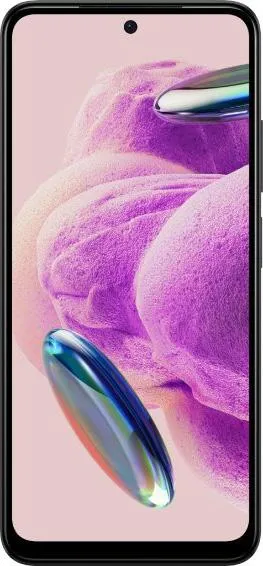
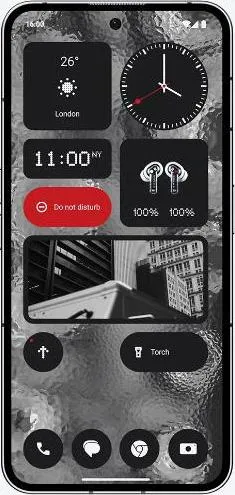
| Dimensions (mm) | 159.9 x 73.9 x 8.1 | 162.1 x 76.4 x 8.6 | Nothing Phone (2) is slightly larger and thicker. |
| Weight (g) | 176 | 201.2 | Nothing Phone (2) is noticeably heavier. May impact one-handed use. |
| Build | Not specified | Not specified | Build materials impact durability and premium feel. This information is missing. |
| Display | |||
| Display Type | AMOLED, 90Hz | LTPO OLED, 120Hz | Smoother scrolling and animations on the Nothing Phone (2) due to the higher refresh rate and LTPO allowing for variable refresh rate resulting in better battery life. |
| Display Size (inches) | 6.43 | 6.7 | Larger display on Nothing Phone (2) offers more immersive content consumption. |
| Resolution | 1080 x 2400 | 1080 x 2412 | Virtually identical resolutions; sharpness will be similar. |
| Peak Brightness (nits) | 1000 | 1600 | Nothing Phone (2) will be significantly more visible in direct sunlight. |
| Color Depth | Not specified | 1B | Nothing Phone (2) supports a wider color gamut, resulting in more vibrant and accurate colors. |
| HDR | No Dolby Vision specified | HDR10+ | Nothing Phone (2) supports HDR10+ for enhanced video quality with compatible content. |
| Performance | |||
| Chipset | Mediatek Helio G96 (12nm) | Snapdragon 8+ Gen 1 (4nm) | Significantly faster and more power-efficient performance on the Nothing Phone (2) thanks to the flagship Snapdragon chipset. |
| CPU | Octa-core (2x2.05 GHz A76 & 6x2.0 GHz A55) | Octa-core (1x3.0 GHz X2 & 3x2.5 GHz A710 & 4x1.8 GHz A510) | Nothing Phone (2)'s CPU architecture offers superior performance, especially in demanding tasks and multitasking. |
| GPU | Mali-G57 MC2 | Adreno 730 | Nothing Phone (2) offers significantly better graphics performance for gaming and demanding applications. |
| RAM | 6GB/8GB | 8GB/12GB | More RAM in Nothing Phone (2) configurations enables better multitasking and smoother performance with many apps open. |
| Camera | |||
| Main Camera | 108MP, f/1.8 | 50MP, f/1.88, OIS | While Redmi has higher resolution, Nothing Phone (2) benefits from OIS for steadier videos and better low-light performance. Practical image quality differences would need real-world comparisons. |
| Ultrawide | 8MP, f/2.2 | 50MP, f/2.2 | Nothing Phone (2) offers a much higher resolution ultrawide camera, likely resulting in better detail and quality. |
| Selfie | 16MP, f/2.4 | 32MP, f/2.45 | Higher resolution selfie camera on the Nothing Phone (2). |
| Video | 1080p@30fps | 4K@60fps with HDR, OIS, EIS | Nothing Phone (2) offers significantly better video recording capabilities with higher resolution, frame rate, HDR, and stabilization. |
| Battery | |||
| Capacity (mAh) | 5000 | 4700 | Slightly larger battery in the Redmi Note 12S. However, real-world battery life depends on many factors, including software optimization and display efficiency. |
| Charging Speed | Not specified | Not specified | Charging speed significantly impacts usability. This information is missing. |
2. Key Differences Analysis
Xiaomi Redmi Note 12S Advantages:
- Potentially Longer Battery Life: Larger battery capacity might translate to longer usage time, but this needs real-world testing to confirm.
- Lower Price: Likely more affordable given the mid-range specifications.
Nothing Phone (2) Advantages:
- Significantly Superior Performance: The Snapdragon 8+ Gen 1 provides a massive performance advantage for demanding tasks and gaming.
- Better Display: Higher refresh rate, LTPO technology, brighter display, and wider color gamut offer a superior visual experience.
- More Advanced Camera System: OIS, higher resolution ultrawide, and 4K@60fps video recording capabilities provide significant advantages.
- Software Updates: Guaranteed updates to Android 16 provide longer software support.
3. User Profiles & Recommendations
Xiaomi Redmi Note 12S: Budget-conscious users who prioritize basic functionality, long battery life, and casual usage.
Nothing Phone (2): Users who value performance, a premium display, advanced camera features, and longer software support. Ideal for gaming, content creation, and demanding multitasking.
4. Decision Framework
Key Questions for Buyers:
- What is your budget? The Redmi Note 12S is likely significantly cheaper.
- What are your primary use cases? For demanding tasks and gaming, the Nothing Phone (2) is far superior. For basic usage, the Redmi might suffice.
- How important are display quality and camera features? The Nothing Phone (2) significantly outperforms the Redmi in these areas.
My Choice: Nothing Phone (2)
While lacking specific details on build and charging speed for both phones, the Nothing Phone (2)'s superior performance, display, camera, and guaranteed software updates make it the clear winner for me. I prioritize a smooth and responsive user experience, a high-quality display for media consumption, and a capable camera. The price difference is justifiable for the significant jump in overall quality and longevity. The Redmi Note 12S might be a good option for extremely budget-conscious buyers who primarily use their phones for basic tasks.
