1. Specifications Comparison
| Feature | Xiaomi Redmi Note 12S | Nokia G42 | Practical Impact |
|---|---|---|---|
| Design | |||
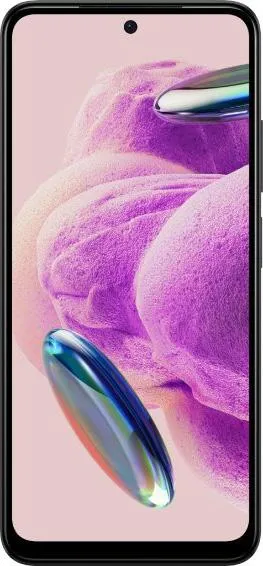
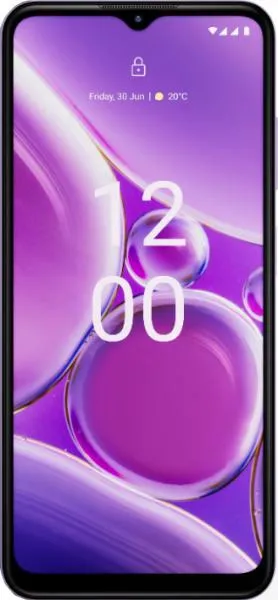
| Dimensions (mm) | 159.9 x 73.9 x 8.1 | 165 x 75.8 x 8.6 | The Redmi Note 12S is slightly smaller and thinner, making it potentially more pocketable. |
| Weight (g) | 176 | 193.8 | The Redmi Note 12S is noticeably lighter, contributing to better one-handed use. |
| Display | |||
| Display Type | AMOLED, 90Hz | IPS LCD, 90Hz | AMOLED offers deeper blacks, more vibrant colors, and better power efficiency in dark mode compared to the LCD on the Nokia G42. |
| Display Size (inches) | 6.43 | 6.56 | The Nokia G42 has a slightly larger screen, providing more viewing area. |
| Resolution | 1080 x 2400 | 720 x 1612 | The Redmi Note 12S has a significantly sharper display (409 ppi vs 269 ppi), resulting in clearer text and images. |
| Peak Brightness (nits) | 1000 | 560 | The Redmi Note 12S can get much brighter, ensuring better visibility in direct sunlight. |
| Performance | |||
| Chipset | Mediatek Helio G96 (12 nm) | Snapdragon 480+ 5G (8 nm) | While the Snapdragon 480+ 5G offers 5G connectivity, the Helio G96 generally provides better CPU performance in day-to-day tasks and demanding games. The 8nm process on the Snapdragon should result in slightly better battery efficiency for comparable tasks. |
| CPU | Octa-core (2x2.05 GHz Cortex-A76 & 6x2.0 GHz Cortex-A55) | Octa-core (2x2.2 GHz Kryo 460 & 6x1.8 GHz Kryo 460) | The CPU configurations suggest a potential advantage for the Redmi Note 12S in demanding applications, but real-world performance can vary. |
| GPU | Mali-G57 MC2 | Adreno 619 | The Adreno 619 in the Nokia G42 generally offers better gaming performance compared to the Mali-G57 MC2. |
| RAM | 6GB/8GB | 4GB/6GB | More RAM (8GB option on Redmi Note 12S) allows for smoother multitasking and better performance with multiple apps open. |
| Camera | |||
| Main Camera | 108MP, f/1.8 | 50MP, f/1.8 | The Redmi Note 12S boasts a higher resolution main camera sensor, potentially capturing more detail. However, megapixel count isn't the sole determinant of image quality. |
| Selfie Camera | 16MP, f/2.4 | 8MP, f/2.0 | The Redmi Note 12S has a higher resolution front-facing camera. |
| Video Recording | 1080p@30fps | 1080p@30fps | Both phones offer similar video recording capabilities. |
| Battery | |||
| Capacity | 5000 mAh | 5000 mAh | Both phones have the same battery capacity, but actual battery life depends on usage patterns and software optimization. |
2. Key Differences Analysis
Xiaomi Redmi Note 12S Advantages:
- Superior Display: AMOLED technology with higher resolution and brightness provides a much better visual experience.
- Potentially Faster Performance: The Helio G96 generally outperforms the Snapdragon 480+ in CPU tasks.
- Higher Resolution Cameras: Both main and selfie cameras have higher megapixel counts.
- Lighter and More Compact: Easier to handle and carry.
Nokia G42 Advantages:
- 5G Connectivity: Future-proofed for faster mobile data speeds.
- Potentially Better Gaming Performance: The Adreno 619 GPU generally offers better gaming performance.
- Longer Software Support: Nokia is known for providing longer OS updates.
3. User Profiles & Recommendations
Xiaomi Redmi Note 12S: Users who prioritize display quality, camera resolution, overall performance (excluding gaming), and a sleek design. Suitable for media consumption, photography, and general use.
Nokia G42: Users who prioritize 5G connectivity, longer software updates, and decent gaming performance on a budget. Suitable for those seeking future-proof connectivity and extended software support.
4. Decision Framework
Key Questions for Buyers:
- Is 5G connectivity crucial? If yes, the Nokia G42 is the only option.
- How important is display quality? If display is a priority, the Redmi Note 12S's AMOLED screen is significantly better.
- What is your budget and priority? Consider the price difference and prioritize features based on individual needs.
Scenario-Based Recommendations:
- Heavy Media Consumer: Redmi Note 12S for its superior display.
- Budget-Conscious User Needing 5G: Nokia G42.
- Mobile Gamer: While both offer only okay gaming experiences, the Nokia G42 has a slight edge due to its GPU.
My Choice: Xiaomi Redmi Note 12S
While the Nokia G42 offers 5G, I would choose the Xiaomi Redmi Note 12S because I prioritize display quality and overall performance in day-to-day tasks. The AMOLED screen, sharper resolution, and higher brightness are significant advantages for media consumption and general use. The lighter and more compact design is also appealing. While I acknowledge the longer software support of the Nokia, the significantly better display and performance of the Redmi Note 12S outweigh the benefits of 5G and software updates for my personal use case. I am willing to forego 5G for now, as it's not yet fully prevalent in my area.
