1. Specifications Comparison
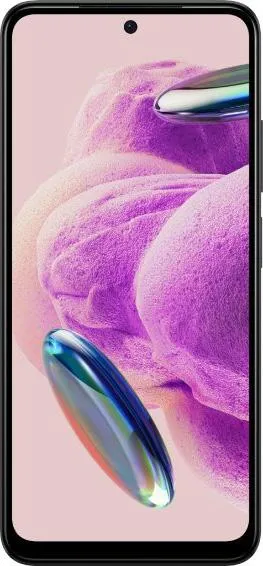
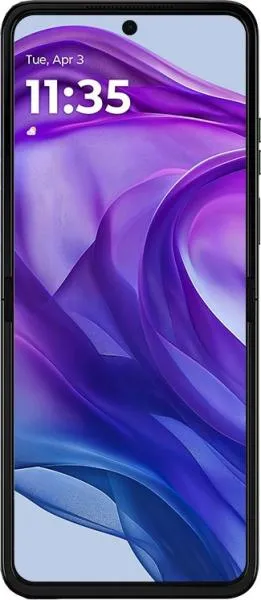
| Feature | Xiaomi Redmi Note 12S | Motorola Razr 50 Ultra | Practical Impact |
|---|---|---|---|
| Design | |||
| Dimensions (mm) | 159.9 x 73.9 x 8.1 | 171.4 x 74 x 7.1 | Razr 50 Ultra is taller and slightly wider when unfolded, but significantly thinner due to its foldable design. Note 12S is lighter. |
| Weight (g) | 176 | 189 | The Razr 50 Ultra's weight is noticeable, but understandable given the complex hinge mechanism. |
| Foldable | No | Yes | Razr's foldable design offers portability and a unique form factor, but introduces potential durability concerns. |
| Display | |||
| Display Type | AMOLED, 90Hz | Foldable LTPO AMOLED, 165Hz | Razr 50 Ultra boasts a higher refresh rate (smoother animations) and peak brightness (better outdoor visibility), along with Dolby Vision and HDR10+ for superior dynamic range and color accuracy. Its foldable nature allows for a larger screen in a smaller device. |
| Size (inches) | 6.43 | 6.9 | Razr offers a larger main screen when unfolded. |
| Resolution | 1080 x 2400 | 1080 x 2640 | Both offer sharp displays, but Razr has a slightly taller aspect ratio. |
| Refresh Rate (Hz) | 90 | 165 | Razr offers a significantly smoother scrolling and gaming experience due to its higher refresh rate. |
| Performance | |||
| Chipset | Mediatek Helio G96 (12nm) | Qualcomm Snapdragon 8s Gen 3 (4nm) | Razr 50 Ultra significantly outperforms the Note 12S with a more powerful and efficient processor. This translates to faster app loading, smoother multitasking, and better gaming performance. |
| CPU | Octa-core (2x2.05 GHz Cortex-A76 & 6x2.0 GHz Cortex-A55) | Octa-core (1x3.0 GHz Cortex-X4 & 4x2.8 GHz Cortex-A720 & 3x2.0 GHz Cortex-A520) | Razr 50 Ultra utilizes a more modern CPU architecture resulting in significantly improved performance. |
| RAM (GB) | 6/8 | 12 | More RAM in Razr allows for more apps to run in the background without performance degradation. |
| Camera | |||
| Main Camera (MP) | 108 | 50 | While the Note 12S boasts higher megapixels, the Razr 50 Ultra likely uses a larger sensor and superior processing, potentially resulting in better image quality. |
| Video Recording | 1080p@30fps | Up to 4K@60fps with HDR, EIS, 1080p@960fps | Razr offers significantly better video recording capabilities with higher resolution, frame rates, and advanced features like HDR and enhanced image stabilization. |
| Battery | |||
| Capacity (mAh) | 5000 | 4000 | Note 12S has a larger battery capacity, potentially offering longer battery life. However, the Razr's more efficient processor and LTPO display could mitigate this difference. |
2. Key Differences Analysis
Xiaomi Redmi Note 12S Advantages:
- Lower Price: Significantly more affordable.
- Larger Battery: Potentially longer battery life.
- Lighter Weight: More comfortable for extended use.
Motorola Razr 50 Ultra Advantages:
- Significantly More Powerful: Superior performance in all tasks.
- Higher Quality Display: Foldable, brighter, smoother, and supports HDR10+ and Dolby Vision.
- More Advanced Camera Features: Higher quality video recording capabilities.
- More Future-Proof: Newer OS, more RAM, and 5G connectivity.
3. User Profiles & Recommendations
Xiaomi Redmi Note 12S:
- Budget-conscious users: Prioritize affordability over top-tier performance.
- Light users: Primarily use their phone for basic tasks like calling, texting, and social media.
- Battery life focused users: Value long battery life over other features.
Motorola Razr 50 Ultra:
- Tech enthusiasts: Desire the latest technology and cutting-edge features.
- Power users: Demand high performance for gaming, multitasking, and demanding applications.
- Users seeking a unique form factor: Value the portability and novelty of a foldable phone.
4. Decision Framework
Key Questions:
- What is your budget? The Razr 50 Ultra is significantly more expensive.
- What are your primary phone usage patterns? For basic tasks, the Note 12S may suffice. For demanding tasks, the Razr 50 Ultra is a better choice.
- Do you value portability and a unique design? The foldable Razr 50 Ultra offers a distinct advantage in this regard.
My Choice: Motorola Razr 50 Ultra
While the price difference is substantial, the Motorola Razr 50 Ultra offers a compelling combination of performance, innovation, and future-proofing. The superior processor, stunning display, and advanced camera features outweigh the larger battery and lower price of the Redmi Note 12S for my needs. I prioritize a smooth and responsive user experience, and the Razr 50 Ultra delivers that in spades. The foldable design, while potentially less durable, offers a unique form factor that appeals to me. The longer software support also ensures the device remains relevant for a longer period. While the battery capacity is smaller, the more efficient chipset and LTPO display technology in the Razr could potentially result in comparable real-world battery life. Ultimately, the Razr 50 Ultra represents a more significant investment in a premium mobile experience.
