1. Specifications Comparison
| Feature | Xiaomi Redmi Note 12S | Motorola Razr 50 | Practical Impact |
|---|---|---|---|
| Design | |||
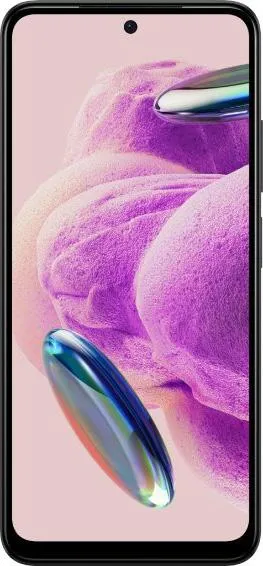
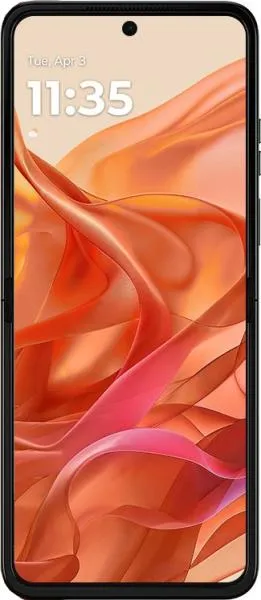
| Dimensions (mm) | 159.9 x 73.9 x 8.1 | 171.3 x 74 x 7.3 | Razr 50 is taller and slightly narrower when unfolded, but significantly thinner due to its foldable design. Redmi Note 12S is a traditional slab phone. |
| Weight (g) | 176 | 188.4 | Razr 50 is heavier, likely due to the folding mechanism. |
| Foldable | No | Yes | Razr 50's foldable design offers portability and a unique form factor. Redmi Note 12S is a standard candybar design. |
| Display | |||
| Display Type | AMOLED, 90Hz | Foldable LTPO AMOLED, 120Hz | Razr 50 boasts a higher refresh rate (120Hz) for smoother animations and potentially LTPO for better power efficiency. Its foldable screen offers a larger display area when unfolded. Redmi Note 12S has a standard AMOLED with a good 90Hz refresh rate. |
| Display Size (inches) | 6.43 | 6.9 | Razr 50 offers a larger screen size when unfolded. |
| Resolution | 1080 x 2400 | 1080 x 2640 | Similar sharpness despite the size difference, due to comparable pixel densities. |
| Peak Brightness (nits) | 1000 | 3000 | Razr 50's significantly higher peak brightness ensures better outdoor visibility. |
| HDR | No Dolby Vision specified | HDR10+ | Razr 50 supports HDR10+ for enhanced video playback with wider color gamuts and higher dynamic range. Information regarding HDR support for Redmi Note 12S is lacking. |
| Performance | |||
| Chipset | Mediatek Helio G96 (12nm) | Mediatek Dimensity 7300X (4nm) | Razr 50 uses a significantly more powerful and efficient 4nm chipset, resulting in better performance and battery life. |
| CPU | Octa-core (2x2.05 GHz A76 & 6x2.0 GHz A55) | Octa-core (4x2.5 GHz A78 & 4x2.0 GHz A55) | Razr 50 has faster and more powerful CPU cores, leading to significantly improved performance in demanding tasks and multitasking. |
| GPU | Mali-G57 MC2 | Mali-G615 MC2 | Razr 50 has a more powerful GPU, offering smoother gaming and graphics performance. |
| RAM | 6GB/8GB | 12GB | Razr 50 offers more RAM, improving multitasking capabilities and overall system responsiveness. |
| Camera | |||
| Main Camera | 108MP | 50MP | Redmi Note 12S has a higher resolution main sensor, potentially capturing more detail. However, megapixels don't tell the whole story; image quality depends on sensor size, processing, and other factors. Razr 50 has OIS for better low-light performance and video stabilization. |
| Video Recording | 1080p@30fps | 4K@30fps | Razr 50 can record video at a much higher resolution. |
| Battery | |||
| Capacity (mAh) | 5000 | 4200 | Redmi Note 12S has a larger battery capacity, potentially offering longer battery life. However, real-world battery life depends on usage patterns and screen-on time, impacted by the Razr 50's more efficient processor and potentially its LTPO display. |
2. Key Differences Analysis
Redmi Note 12S Advantages:
- Lower Price: Expected to be significantly cheaper.
- Larger Battery: Potentially longer battery life, although the Razr 50's more efficient processor might close the gap.
- Higher Resolution Main Camera: Potentially capturing more detail, though overall image quality depends on various factors not fully specified.
Razr 50 Advantages:
- Significantly More Powerful: Dimensity 7300X offers a substantial performance advantage for demanding tasks and gaming.
- Foldable Design: Increased portability and a unique form factor.
- Higher Refresh Rate Display: Smoother animations and scrolling with 120Hz.
- Brighter Display: Superior outdoor visibility.
- HDR10+ Support: Better video quality with compatible content.
- 5G Connectivity: Faster data speeds where available.
- More RAM: Improved multitasking and responsiveness.
- Better Video Recording: 4K recording capability.
3. User Profiles & Recommendations
Redmi Note 12S: Budget-conscious users prioritizing battery life and a large display. Suitable for everyday tasks, social media, and casual gaming.
Razr 50: Users who value cutting-edge technology, portability, and a premium experience. Ideal for those who want a powerful, compact device with a unique foldable design. Suitable for demanding tasks, gaming, and multimedia consumption.
4. Decision Framework
Key Questions:
- Budget: How much are you willing to spend?
- Performance Needs: Do you require top-tier performance for demanding tasks or gaming?
- Form Factor Preference: Do you prioritize portability and a unique design, or a traditional smartphone experience?
Scenario-Based Recommendations:
- Limited Budget, Basic Usage: Redmi Note 12S
- Power User, Premium Experience: Razr 50
- Portability and Style Focused: Razr 50
My Choice: Motorola Razr 50
While the Redmi Note 12S offers a compelling value proposition for its price, the Motorola Razr 50 is the clear winner for me. The significantly more powerful processor, superior display, foldable design, and overall premium features justify the higher price. I value performance, a smooth user experience, and the innovative form factor. The Razr 50's compact size when folded and larger screen when unfolded provide a unique advantage. While battery life is a concern with foldable phones, the Razr 50's efficient chipset and potential LTPO display could mitigate this. The added benefits of 5G connectivity and superior video recording capabilities solidify the Razr 50 as the better choice for my needs.
