1. Specifications Comparison
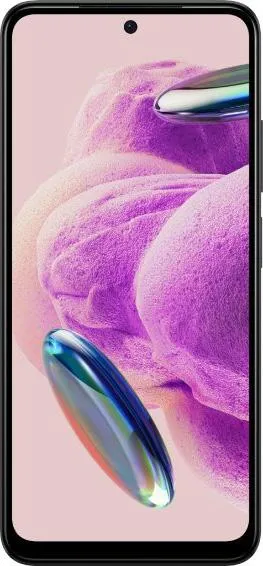
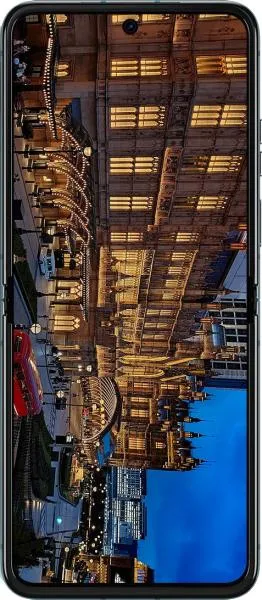
| Feature | Xiaomi Redmi Note 12S | Motorola Razr 40 | Practical Impact |
|---|---|---|---|
| Design | |||
| Dimensions (mm) | 159.9 x 73.9 x 8.1 | 170.8 x 74 x 7.4 | Razr 40 is slightly wider but significantly thinner due to its foldable design. 12S is taller when unfolded. |
| Weight (g) | 176 | 188.6 | Razr 40 is noticeably heavier. |
| Foldable | No | Yes | Razr 40 offers a compact folded size for portability, but adds complexity. |
| Display | |||
| Size (inches) | 6.43 | 6.9 | Razr 40 has a larger main screen. |
| Resolution | 1080 x 2400 | 1080 x 2640 | Both have similar pixel density, Razr 40 slightly sharper due to taller display. |
| Type | AMOLED, 90Hz | Foldable LTPO AMOLED, 144Hz | Razr 40's LTPO panel allows for variable refresh rate, saving battery. Higher refresh rate results in smoother animations and scrolling. Foldable screen introduces a crease. |
| Peak Brightness (nits) | 1000 | 1400 | Razr 40 is significantly brighter for better outdoor visibility. |
| Performance | |||
| Chipset | Mediatek Helio G96 (12 nm) | Snapdragon 7 Gen 1 (4 nm) | Snapdragon 7 Gen 1 offers significantly better performance and efficiency due to newer architecture and manufacturing process. |
| CPU | Octa-core (2x2.05 GHz A76 & 6x2.0 GHz A55) | Octa-core (1x2.4 GHz A710 & 3x2.36 GHz A710 & 4x1.8 GHz A510) | Razr 40 has a more powerful and modern CPU architecture, resulting in faster app loading, smoother multitasking, and better gaming performance. |
| GPU | Mali-G57 MC2 | Adreno 644 | Razr 40's GPU is considerably more powerful, enabling better gaming and graphics performance. |
| RAM (GB) | 6/8 | 8 | Razr 40 offers more RAM in the compared variant, improving multitasking. |
| Camera | |||
| Main Camera (MP) | 108 | 64 | Redmi Note 12S has a higher resolution main sensor. Image quality depends on factors beyond resolution; sensor size and processing are crucial. |
| Other Cameras | 8MP ultrawide, 2MP macro, 16MP selfie | 13MP ultrawide/macro, 32MP selfie | Both have similar secondary camera setups. Razr benefits from potentially better processing due to the superior chipset. |
| Video Recording | 1080p@30fps | Up to 4K@30fps | Razr 40 offers higher resolution video recording. |
| Battery | |||
| Capacity (mAh) | 5000 | 4200 | Redmi Note 12S has significantly larger battery capacity, potentially leading to longer battery life despite less efficient display. |
2. Key Differences Analysis
Redmi Note 12S Advantages:
- Longer Battery Life: Larger battery capacity likely results in longer usage time.
- Potentially Better Value: Generally more affordable for the specifications offered.
- Higher Resolution Main Camera: Potentially captures more detail in photos, depending on other factors not listed.
Razr 40 Advantages:
- Significantly More Powerful: Superior chipset and more RAM deliver a smoother and faster user experience.
- Higher Quality Display: Brighter, smoother, and more responsive due to LTPO AMOLED and 144Hz refresh rate.
- Foldable Design: Offers unique portability and form factor.
- Better Video Recording: Supports higher resolution video capture.
Trade-offs:
- Razr 40: Foldable design introduces potential durability concerns and higher price. Smaller battery may result in shorter battery life despite efficient display. Lower resolution main camera sensor.
- Redmi Note 12S: Less powerful processor limits performance for demanding tasks and gaming. Less bright and responsive display.
3. User Profiles & Recommendations
Redmi Note 12S:
- Ideal User: Budget-conscious users prioritizing battery life and value.
- Use Cases: Everyday tasks, social media, web browsing, casual photography.
Razr 40:
- Ideal User: Users who value cutting-edge technology, portability, and a premium experience, willing to pay a premium for the foldable form factor.
- Use Cases: Demanding tasks, gaming, media consumption, content creation, users seeking a compact and stylish device.
4. Decision Framework
Key Questions for Buyers:
- Budget: How much are you willing to spend?
- Performance Needs: Do you need a phone for demanding tasks or casual use?
- Form Factor Preference: Is a foldable design appealing, or do you prefer a traditional smartphone?
Scenario-Based Recommendations:
- Limited Budget, Basic Usage: Redmi Note 12S.
- Prioritize Performance and Premium Features: Razr 40.
- Value Portability Above All Else: Razr 40.
- Long Battery Life is Crucial: Redmi Note 12S.
My Choice: Motorola Razr 40
While the Redmi Note 12S offers excellent value and battery life, the Motorola Razr 40's superior performance, stunning display, and innovative foldable design are more compelling to me. I prioritize a smooth and responsive user experience, and the Snapdragon 7 Gen 1, coupled with the 144Hz LTPO AMOLED display, delivers exactly that. The compact size when folded is a significant advantage for portability. I am willing to accept the trade-offs of a smaller battery and potentially higher price for the significant upgrade in overall user experience and unique form factor. The superior video recording capabilities and brighter screen also contribute to my decision.
