1. Specifications Comparison
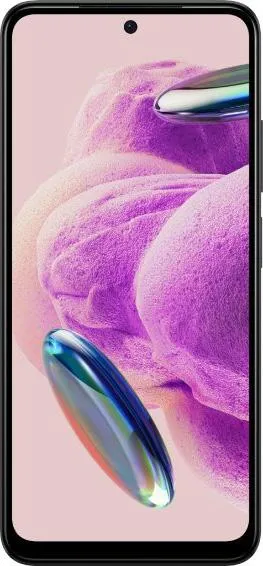
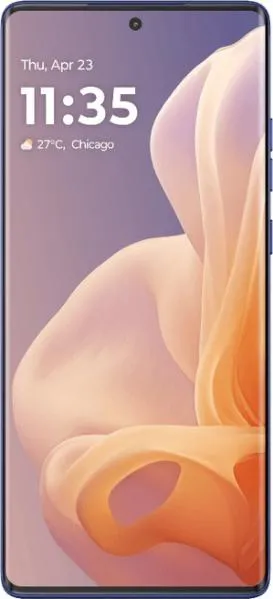
| Feature | Xiaomi Redmi Note 12S | Motorola Moto G85 | Practical Impact |
|---|---|---|---|
| Design | |||
| Dimensions (mm) | 159.9 x 73.9 x 8.1 | 161.9 x 73.1 x 7.6 | Moto G85 slightly taller and narrower, both slim. Negligible difference in daily use. |
| Weight (g) | 176 | 171 | Virtually identical weight; no noticeable difference in hand. |
| Fingerprint Sensor | Side-mounted | Under-display | Preference-based; under-display feels more modern, side-mounted often faster. |
| Display | |||
| Display Type | AMOLED, 90Hz | pOLED, 120Hz | Moto G85's pOLED might offer slightly better blacks and power efficiency. 120Hz refresh rate delivers smoother scrolling and animations compared to 90Hz on the Redmi Note 12S. |
| Display Size (inches) | 6.43 | 6.67 | Moto G85 has a larger screen, better for media consumption but slightly less pocketable. |
| Resolution | 1080 x 2400 | 1080 x 2400 | Identical resolution; sharpness comparable on both given the size difference. |
| Peak Brightness (nits) | 1000 | 1600 | Moto G85 significantly brighter outdoors. |
| Performance | |||
| Chipset | Mediatek Helio G96 (12nm) | Snapdragon 6s Gen 3 (6nm) | Snapdragon 6s Gen 3 is built on a smaller node (6nm vs 12nm), likely resulting in better power efficiency and potentially improved performance. |
| CPU | Octa-core (2x2.05 GHz A76 & 6x2.0 GHz A55) | Octa-core (2x2.3 GHz A78 & 6x2.0 GHz A55) | Moto G85's CPU features faster and more modern Cortex-A78 cores, resulting in notably better performance in demanding tasks and multitasking. |
| GPU | Mali-G57 MC2 | Adreno 619 | Adreno 619 generally offers better gaming performance compared to the Mali-G57 MC2. |
| RAM | 6/8GB | 12GB | Moto G85 offers significantly more RAM, enabling smoother multitasking and better handling of memory-intensive applications. |
| Camera | |||
| Main Camera | 108MP, f/1.8 | 50MP, f/1.79, OIS | Redmi Note 12S has higher resolution; Moto G85 has OIS for more stable videos and potentially better low-light performance. Practical image quality will depend on sensor and image processing. |
| Ultrawide | 8MP, f/2.2 | 8MP, f/2.2 | Similar ultrawide specifications. |
| Selfie | 16MP, f/2.4 | 32MP, f/2.4 | Moto G85 has a higher resolution selfie camera. |
| Video Recording | 1080p@30fps | 1080p@30/60fps | Moto G85 can record at 60fps, resulting in smoother video footage. |
| Battery | |||
| Capacity | 5000 mAh | 5000 mAh | Identical battery capacity; real-world battery life will depend on software optimization and usage patterns. |
2. Key Differences Analysis
Xiaomi Redmi Note 12S Advantages:
- Potentially Lower Price: Likely more affordable given historical pricing of the Redmi Note series.
- Higher Resolution Main Camera: 108MP sensor potentially captures more detail.
Motorola Moto G85 Advantages:
- More Powerful Processor: Snapdragon 6s Gen 3 provides significantly better performance and efficiency.
- Higher Refresh Rate Display: 120Hz offers a smoother user experience.
- More RAM: 12GB ensures excellent multitasking capabilities.
- Brighter Display: 1600 nits peak brightness for better outdoor visibility.
- OIS on Main Camera: Improves stability for video recording and low-light photos.
- More Modern OS: Ships with Android 14.
Trade-offs:
- Redmi Note 12S: Lower performance and older hardware for a potential lower price.
- Moto G85: Potentially higher price for the improved performance, display, and features.
3. User Profiles & Recommendations
Redmi Note 12S: Budget-conscious users prioritizing a large main camera sensor for everyday photography and basic tasks. Suitable for casual social media, web browsing, and light gaming.
Moto G85: Users prioritizing performance, a smooth display, and a more future-proof device. Excellent for demanding tasks, gaming, media consumption, and multitasking. Good for users who keep their phones for longer periods.
4. Decision Framework
Key Questions for Buyers:
- What is your budget? The Redmi Note 12S is likely more affordable.
- What are your primary use cases? (e.g., gaming, photography, social media)
- How important is long-term performance and software updates?
Scenario-Based Recommendations:
- Tight Budget, Basic Usage: Redmi Note 12S
- Balanced Performance and Price: Consider the Redmi Note 12S if camera resolution is paramount, otherwise lean towards the Moto G85 for overall better experience.
- Performance and Future-Proofing: Moto G85
My Choice: Motorola Moto G85
While the Redmi Note 12S might offer a lower price and higher resolution main camera, the Moto G85 offers a significantly better overall package. The more powerful and efficient processor, higher refresh rate display, abundant RAM, brighter screen, and OIS on the main camera are crucial for a smoother and more enjoyable long-term user experience. The newer Android version also contributes to future-proofing. While I acknowledge the price difference, the Moto G85's advantages outweigh the Redmi Note 12S's in most practical usage scenarios for me. I prioritize performance, a smooth display, and future-proofing, making the Moto G85 the better choice in my opinion.
