1. Specifications Comparison
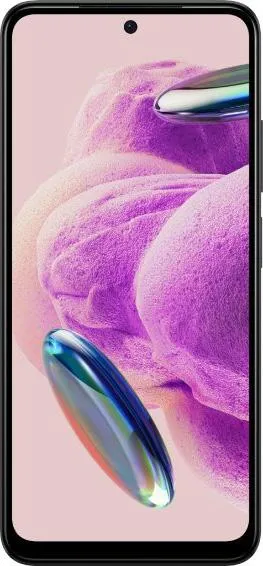
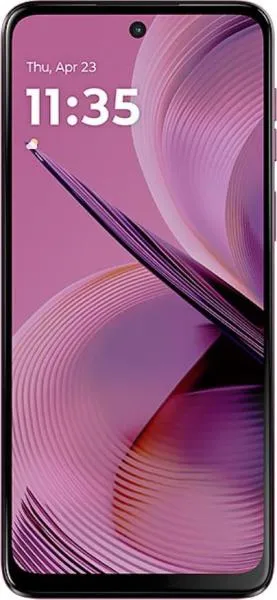
| Feature | Xiaomi Redmi Note 12S | Motorola Moto G55 | Practical Impact |
|---|---|---|---|
| Design | |||
| Dimensions (mm) | 159.9 x 73.9 x 8.1 | 161.6 x 73.8 x 8.1 | Virtually identical in size and feel. |
| Weight (g) | 176 | 179 | Negligible weight difference. |
| Display | |||
| Display Type | AMOLED, 90Hz | IPS LCD, 120Hz | AMOLED offers deeper blacks and more vibrant colors; 120Hz on the G55 provides smoother scrolling and animations. |
| Display Size (inches) | 6.43 | 6.49 | Slight size difference, likely unnoticeable in daily use. |
| Resolution | 1080 x 2400 | 1080 x 2400 | Identical resolution, similar sharpness. |
| Peak Brightness (nits) | 1000 | Unknown | Redmi Note 12S likely has better outdoor visibility due to higher peak brightness. G55's unknown value limits a full comparison. |
| Performance | |||
| Chipset | Mediatek Helio G96 (12nm) | Mediatek Dimensity 7025 (6nm) | Dimensity 7025 offers significantly better performance and efficiency due to smaller manufacturing process and superior CPU cores. |
| CPU | Octa-core (2x2.05 GHz A76 & 6x2.0 GHz A55) | Octa-core (2x2.5 GHz A78 & 6x2.0 GHz A55) | G55 has faster and more powerful prime cores, resulting in noticeable performance improvements in demanding tasks. |
| GPU | Mali-G57 MC2 | IMG BXM-8-256 | Difficult to directly compare without benchmarks. Dimensity 7025 generally offers better GPU performance but real-world gaming experience needs further testing. |
| RAM | 6GB/8GB | 8GB | More RAM in the base G55 model enables better multitasking. |
| Camera | |||
| Main Camera | 108MP, f/1.8 | 50MP, f/1.8 | Redmi Note 12S boasts higher resolution; however, megapixels don't guarantee better image quality. G55 has Optical Image Stabilization (OIS) for sharper photos and videos, especially in low light. |
| Ultrawide | 8MP, f/2.2 | 8MP, f/2.2 | Similar ultrawide cameras on both phones. |
| Selfie Camera | 16MP, f/2.4 | 16MP, f/2.4 | Similar selfie camera specifications. |
| Video Recording | 1080p@30fps | 1080p@30/60fps | G55 offers more video recording options with 60fps. |
| Battery | |||
| Capacity | 5000 mAh | 5000 mAh | Identical battery capacity. Dimensity 7025's efficiency may translate to longer real-world battery life on the G55. |
| Other | |||
| OS | Android 13 | Android 14 | G55 launches with a newer Android version, offering potential software features and longer support. |
| 5G | No | Yes | G55 offers faster cellular data speeds where available. |
2. Key Differences Analysis
Xiaomi Redmi Note 12S Advantages:
- AMOLED Display: Offers vibrant colors and deep blacks, providing a more visually appealing experience.
- Higher Resolution Main Camera: Potentially more detail in good lighting conditions; however, real-world image quality depends on various factors beyond resolution.
Motorola Moto G55 Advantages:
- More Powerful Processor: The Dimensity 7025 significantly outperforms the Helio G96, resulting in smoother multitasking, faster app loading, and better gaming performance.
- Higher Refresh Rate Display: 120Hz refresh rate provides a smoother and more responsive user experience.
- Optical Image Stabilization (OIS): Produces steadier videos and sharper photos, especially in low light conditions.
- 5G Connectivity: Enables faster mobile data speeds in areas with 5G coverage.
- Newer Android Version: Benefits from the latest features and security updates, with likely longer software support.
Trade-offs:
- Redmi Note 12S: Trades performance and features for a potentially lower price and a vibrant AMOLED display.
- Moto G55: IPS LCD might be considered a downgrade from AMOLED for some users despite the higher refresh rate.
3. User Profiles & Recommendations
Xiaomi Redmi Note 12S:
- Ideal User: Budget-conscious users who prioritize a vibrant display and good battery life for everyday tasks like social media, browsing, and casual gaming.
- Use Cases: Content consumption (videos, photos), casual gaming, general everyday use.
Motorola Moto G55:
- Ideal User: Users who want a smooth and responsive experience with good performance for demanding tasks and gaming, along with future-proof features like 5G.
- Use Cases: Mobile gaming, multitasking, demanding applications, users in areas with 5G coverage.
4. Decision Framework
Key Questions for Buyers:
- What is your budget? The Redmi Note 12S is likely more affordable.
- Is performance a priority? The Moto G55 offers a significantly more powerful processor.
- Do you need 5G connectivity? The Moto G55 supports 5G.
Scenario-Based Recommendations:
- Limited Budget: Redmi Note 12S
- Performance Focused: Moto G55
- Future-Proofing with 5G: Moto G55
My Choice: Motorola Moto G55
Reasoning: While the Redmi Note 12S offers a vibrant AMOLED display, the Moto G55's significant performance advantages, 120Hz refresh rate, OIS for the camera, 5G connectivity, and newer Android version make it a more compelling overall package for long-term use. The superior processor and smoother display would greatly enhance my day-to-day user experience. Even though specific pricing isn't available for direct comparison, the added benefits of the G55 justify the potential price difference for a user experience that will remain smooth and relevant for a longer period.
