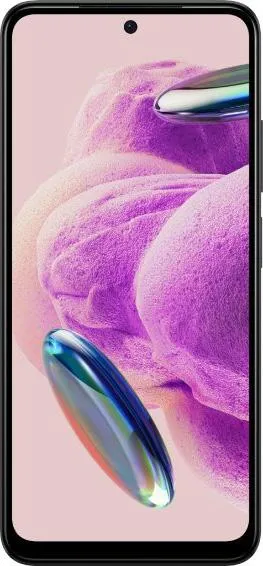
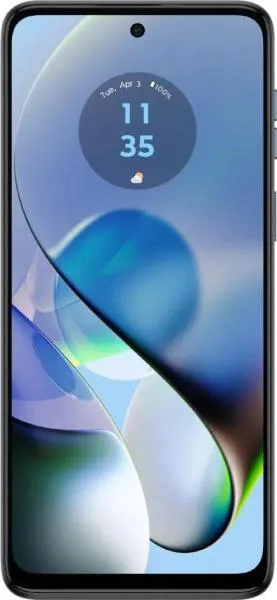
1. Specifications Comparison
| Feature | Xiaomi Redmi Note 12S | Motorola Moto G54 | Practical Impact |
|---|---|---|---|
| Design | |||
| Dimensions (mm) | 159.9 x 73.9 x 8.1 | 161.6 x 73.8 x 8.0 | Virtually identical in size and feel. |
| Weight (g) | 176 | 177 | Negligible weight difference. |
| Build | Material not specified for either phone, limiting comparison. | ||
| Display | |||
| Display Type | AMOLED, 90Hz | IPS LCD, 120Hz | AMOLED offers deeper blacks and more vibrant colors; 120Hz LCD provides smoother scrolling and animations. |
| Display Size (inches) | 6.43 | 6.5 | Minimal size difference. |
| Resolution | 1080 x 2400 | 1080 x 2400 | Identical resolution, resulting in similar sharpness. |
| Peak Brightness (nits) | 1000 | Unspecified | Redmi Note 12S likely offers better outdoor visibility due to higher peak brightness. |
| Performance | |||
| Chipset | Mediatek Helio G96 (12nm) | Mediatek Dimensity 7020 (6nm) | Moto G54 likely more power-efficient and performs better in demanding tasks due to smaller process node and more powerful CPU cores (Cortex-A78 vs A76). |
| CPU | Octa-core (2x2.05 GHz A76 & 6x2.0 GHz A55) | Octa-core (2x2.2 GHz A78 & 6x2.0 GHz A55) | Moto G54 offers improved performance with faster prime cores. |
| GPU | Mali-G57 MC2 | IMG BXM-8-256 | Difficult to compare without specific benchmark data, but the Dimensity 7020 generally offers superior graphics performance. |
| RAM | 6GB/8GB | 8GB/12GB | Moto G54 offers configurations with more RAM, benefiting multitasking and demanding applications. |
| Camera | |||
| Main Camera (MP) | 108 | 50 | Redmi Note 12S has higher megapixel count, but image quality depends on sensor size and processing, which are not fully detailed. Moto G54 features OIS for potentially better low-light and video stability. |
| Front Camera (MP) | 16 | 16 | Similar resolution. |
| Video Recording | 1080p@30fps | 1080p@30/60fps | Moto G54 offers 60fps recording for smoother videos. |
| Battery | |||
| Capacity (mAh) | 5000 | 5000 | Identical battery capacity. Real-world battery life will depend on software optimization and usage patterns. |
| Charging Speed | Not specified | Not specified | Charging speed comparison not possible without specific data. |
2. Key Differences Analysis
Xiaomi Redmi Note 12S Advantages:
- AMOLED Display: Provides richer colors and deeper blacks compared to the IPS LCD of the Moto G54.
- Potentially brighter display: Higher peak brightness suggests better outdoor visibility.
- Higher resolution main camera: Offers potentially more detail in well-lit conditions.
Motorola Moto G54 Advantages:
- More Powerful Processor: Dimensity 7020 with its 6nm architecture and Cortex-A78 cores offers significantly better performance and efficiency.
- Higher Refresh Rate Display: 120Hz refresh rate provides smoother scrolling and animations.
- More RAM Options: Configurations with up to 12GB RAM are available for improved multitasking.
- Optical Image Stabilization (OIS): Enables sharper images in low light and smoother video recording.
- 5G Connectivity: Offers faster mobile data speeds in areas with 5G coverage.
3. User Profiles & Recommendations
Xiaomi Redmi Note 12S: Users prioritizing media consumption (videos, photos) who value vibrant colors and deep blacks. Budget-conscious users who don't require the highest performance.
Motorola Moto G54: Users prioritizing performance, multitasking, and future-proofing with 5G connectivity. Users who value smooth scrolling and a responsive user interface. Mobile gamers who benefit from the more powerful GPU.
4. Decision Framework
Key Questions for Buyers:
- Is 5G connectivity important? Moto G54 is the clear choice if 5G is a requirement.
- Which display technology is preferred? AMOLED offers better colors and contrast, while a 120Hz LCD provides smoother motion.
- What is the budget and performance requirement? The Moto G54 offers superior performance but may be slightly more expensive.
My Choice: Motorola Moto G54
Reasons:
The Motorola Moto G54 offers a compelling combination of performance, future-proofing with 5G, and a smooth user experience with its 120Hz display. The Dimensity 7020 chipset provides a significant performance advantage over the Helio G96, making it better suited for demanding tasks and gaming. While the AMOLED display of the Redmi Note 12S is attractive, the overall performance and feature set of the Moto G54, including OIS for the camera, make it a more well-rounded device. The inclusion of 5G also ensures the phone remains relevant for longer. Although specific pricing isn't available for comparison, both phones are in the mid-range category, making the performance difference a crucial deciding factor.
