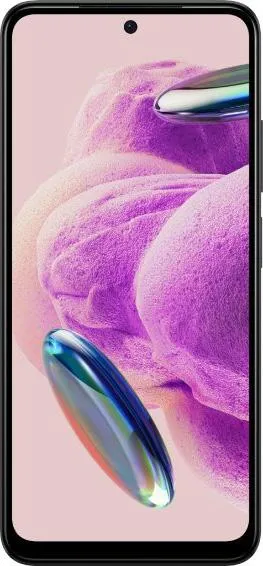
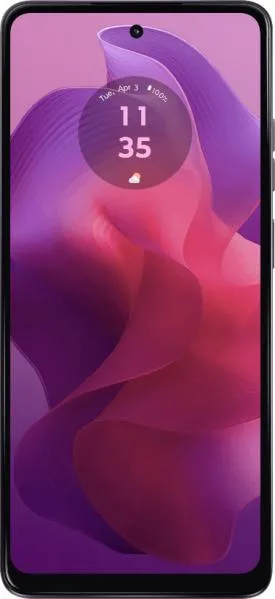
1. Specifications Comparison
| Feature | Xiaomi Redmi Note 12S | Motorola Moto G24 | Practical Impact |
|---|---|---|---|
| Design | |||
| Dimensions (mm) | 159.9 x 73.9 x 8.1 | 163.5 x 74.5 x 8 | Moto G24 is slightly larger |
| Weight (g) | 176 | 181 | Negligible weight difference |
| Display | |||
| Type | AMOLED, 90Hz | IPS LCD, 90Hz | Redmi's AMOLED offers richer colors, deeper blacks, and better power efficiency in dark mode. Moto's LCD might be slightly brighter in direct sunlight. |
| Size (inches) | 6.43 | 6.56 | Moto G24 has a slightly larger screen |
| Resolution | 1080 x 2400 | 720 x 1612 | Redmi has a significantly sharper display (409 ppi vs 269 ppi), resulting in clearer text and images. |
| Refresh Rate | 90Hz | 90Hz | Both offer smooth scrolling and animations. |
| Peak Brightness | 1000 nits | 537 nits | Redmi will be much more visible in direct sunlight. |
| Performance | |||
| Chipset | Mediatek Helio G96 | Mediatek Helio G85 | G96 generally performs slightly better in benchmarks, but real-world differences might be minimal for average users. |
| CPU | Octa-core (2x2.05 GHz A76 & 6x2.0 GHz A55) | Octa-core (2x2.0 GHz A75 & 6x1.7 GHz A55) | Redmi's CPU configuration might offer a slight edge in demanding tasks. |
| GPU | Mali-G57 MC2 | Mali-G52 MC2 | Redmi's GPU is newer and offers better gaming performance. |
| RAM | 6GB/8GB | 4GB/8GB | More RAM in some Redmi versions enables better multitasking. |
| Camera | |||
| Main Camera | 108MP, f/1.8 | 50MP, f/1.8 | Redmi boasts higher resolution, potentially capturing more detail. Real-world image quality depends on processing. |
| Selfie Camera | 16MP, f/2.4 | 8MP, f/2.0 | Redmi's selfie camera has higher resolution. |
| Video Recording | 1080p@30fps | 1080p@30fps | Both offer basic video recording capabilities. |
| Battery | |||
| Capacity | 5000 mAh | 5000 mAh | Similar battery capacity suggests comparable battery life, but real-world usage will vary. |
| Other | |||
| OS | Android 13 | Android 14 | Moto G24 ships with a newer Android version, potentially offering longer software support and newer features. |
| Price Range | Medium | Low | Moto G24 is significantly cheaper. |
2. Key Differences Analysis
Xiaomi Redmi Note 12S Advantages:
- Superior Display: AMOLED with higher resolution and peak brightness offers a dramatically better visual experience.
- Better Performance: Slightly faster processor and GPU, along with more RAM options, provide a smoother user experience, especially for gaming.
- Higher Resolution Cameras: Potentially better image quality, especially in well-lit conditions.
Motorola Moto G24 Advantages:
- Lower Price: Significantly more affordable.
- Newer Android Version: Potentially longer software updates and access to newer features.
3. User Profiles & Recommendations
Xiaomi Redmi Note 12S: Users who prioritize display quality, performance, and camera capabilities, and are willing to pay a bit more. Ideal for:
- Multimedia consumption: Watching videos, playing games, browsing photos.
- Mobile photography enthusiasts: Casual photographers who want a decent camera without breaking the bank.
Motorola Moto G24: Budget-conscious users who prioritize basic functionality and affordability over premium features. Ideal for:
- Basic communication: Calling, texting, social media browsing.
- Light users: Individuals who don't demand high performance or advanced features.
4. Decision Framework
Key Questions for Buyers:
- What is your budget? The Moto G24 is significantly cheaper.
- How important is display quality? The Redmi Note 12S offers a far superior display.
- What is your primary usage? For demanding tasks and multimedia, the Redmi is better; for basic communication, the Moto G24 suffices.
My Choice: Xiaomi Redmi Note 12S
While the Moto G24 offers excellent value for its price, the Xiaomi Redmi Note 12S's superior display, performance, and camera make it the better overall device for my needs. The significantly sharper and more vibrant AMOLED screen alone is a huge differentiator. I prioritize a good visual experience and enjoy mobile gaming, making the Redmi's better performance a significant advantage. The price difference is justifiable for the noticeable jump in quality. While the newer Android version on the Moto G24 is a plus, the Redmi's hardware advantages outweigh this for me.
