1. Specifications Comparison
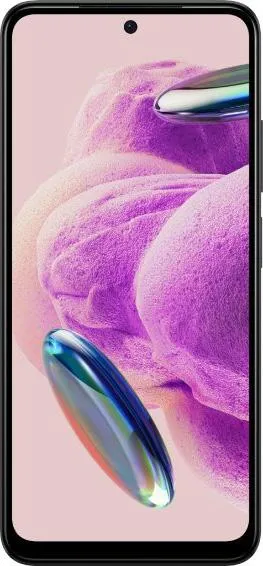
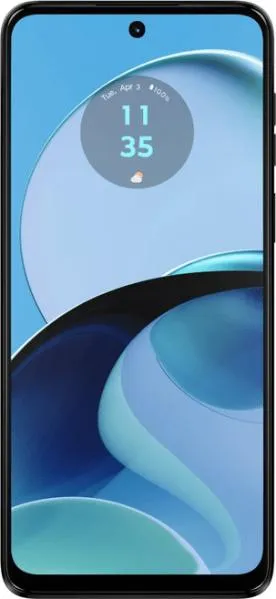
| Feature | Xiaomi Redmi Note 12S | Motorola Moto G14 | Practical Impact |
|---|---|---|---|
| Design | |||
| Dimensions (mm) | 159.9 x 73.9 x 8.1 | 161.5 x 73.8 x 8.0 | Virtually identical in size and thickness. |
| Weight (g) | 176 | 177 | Negligible weight difference. |
| Build Material | Not specified | Not specified | Cannot compare build quality and durability. |
| Display | |||
| Display Type | AMOLED, 90Hz | IPS LCD | Redmi Note 12S offers more vibrant colors, deeper blacks, and smoother scrolling due to AMOLED and 90Hz refresh rate. Moto G14's LCD might be slightly more visible in direct sunlight. |
| Size (inches) | 6.43 | 6.5 | Moto G14 has a marginally larger screen. |
| Resolution | 1080 x 2400 | 1080 x 2400 | Identical resolution, resulting in similar sharpness. |
| Peak Brightness | 1000 nits | Not specified | Redmi Note 12S likely offers better visibility outdoors due to higher peak brightness. |
| Performance | |||
| Chipset | Mediatek Helio G96 | Unisoc Tiger T616 | Both are entry-level chipsets, but Helio G96 generally performs slightly better in benchmarks. Real-world performance differences might be minimal for everyday tasks. |
| CPU | Octa-core (2x2.05 GHz A76 & 6x2.0 GHz A55) | Octa-core (2x2.0 GHz A75 & 6x1.8 GHz A55) | Slight architectural differences in CPU cores. Redmi might have a slight edge in demanding tasks. |
| GPU | Mali-G57 MC2 | Mali-G57 MP1 | Redmi's MC2 variant of the GPU generally offers better graphical performance than the MP1, noticeable in gaming. |
| RAM | 6GB/8GB | 4GB/8GB | More RAM in some Redmi variants allows for better multitasking and app switching. |
| Storage | 128GB/256GB | 64GB/128GB/256GB | Both offer ample storage options, though Redmi lacks a 64GB version. |
| Camera | |||
| Main Camera | 108MP, f/1.8 | 50MP, f/1.8 | Redmi boasts higher resolution, potentially capturing more detail. However, image quality depends on factors beyond resolution, like sensor size and processing. |
| Ultrawide | 8MP, f/2.2 | None | Redmi offers an ultrawide lens for wider field of view shots, absent in the Moto G14. |
| Macro | 2MP, f/2.4 | 2MP, f/2.4 | Similar macro lens specifications. |
| Selfie | 16MP, f/2.4 | 8MP, f/2.0 | Redmi has a higher resolution selfie camera. |
| Battery | |||
| Capacity | 5000 mAh | 5000 mAh | Identical battery capacity, expected similar battery life depending on usage. |
| Charging Speed | Not specified | Not specified | Cannot compare charging speeds. |
| Other | |||
| OS | Android 13 | Android 13 | Both run on the latest Android version. |
| NFC | Yes | Yes | Both support contactless payments. |
| Price Range | Medium | Low | Moto G14 is significantly cheaper. |
2. Key Differences Analysis
Redmi Note 12S Advantages:
- Superior Display: AMOLED with 90Hz refresh rate delivers a visually more appealing experience.
- Better Performance: Slightly faster processor and more powerful GPU.
- More Versatile Camera System: Includes an ultrawide lens and a higher resolution main camera.
Moto G14 Advantages:
- Lower Price: Significantly more affordable.
3. User Profiles & Recommendations
Redmi Note 12S: Suitable for users who prioritize display quality, gaming performance, and camera versatility. Ideal for media consumption, mobile gaming, and photography enthusiasts.
Moto G14: Best suited for budget-conscious users who prioritize essential features and reliable performance for everyday tasks like browsing, social media, and communication. Excellent value for money.
4. Decision Framework
Key Questions for Buyers:
- What is your budget? If price is a major constraint, the Moto G14 offers excellent value.
- How important is display quality and gaming performance? Prioritize the Redmi Note 12S if these are crucial.
- Do you need a versatile camera system? The Redmi Note 12S's ultrawide lens and higher resolution main sensor provide more shooting options.
My Choice: Xiaomi Redmi Note 12S
While the Moto G14 offers incredible value for its price, I would choose the Xiaomi Redmi Note 12S. The superior AMOLED display with a 90Hz refresh rate is a significant factor for me, as it greatly enhances the overall user experience. The better performance, particularly the GPU, ensures smoother gaming and demanding tasks. The inclusion of an ultrawide lens adds versatility to the camera system. Though it comes at a higher price, the Redmi Note 12S offers a noticeable upgrade in key areas that I value. The price difference is justifiable for the improved user experience.
