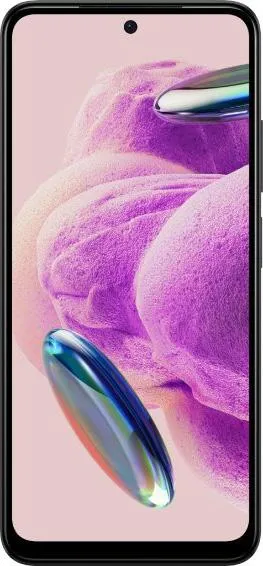
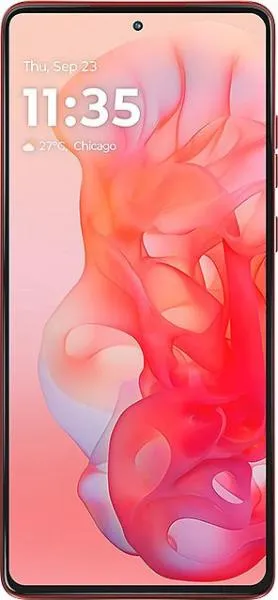
1. Specifications Comparison
| Feature | Xiaomi Redmi Note 12S | Motorola Moto G Stylus 5G (2024) | Practical Impact |
|---|---|---|---|
| Design | |||
| Dimensions (mm) | 159.9 x 73.9 x 8.1 | 162.6 x 74.8 x 8.3 | Moto is slightly larger and thicker. Negligible difference in practical use. |
| Weight (g) | 176 | 190 | Redmi is noticeably lighter, more comfortable for extended use. |
| Build Material | Missing | Missing | Cannot compare build quality and durability. |
| Stylus | No | Yes | Moto offers stylus input for note-taking, drawing, and precise interactions. |
| Display | |||
| Display Type | AMOLED, 90Hz | pOLED, 120Hz | Moto's pOLED might offer slightly better power efficiency. 120Hz refresh rate provides smoother animations and scrolling compared to 90Hz on Redmi. |
| Size (inches) | 6.43 | 6.7 | Moto has a larger screen, providing more immersive content consumption. |
| Resolution | 1080 x 2400 | 1080 x 2400 | Identical resolution, sharpness is similar considering the slight size difference. |
| Peak Brightness (nits) | 1000 | 1200 | Moto's display will be more visible in direct sunlight. |
| Performance | |||
| Chipset | Mediatek Helio G96 (12nm) | Snapdragon 6 Gen 1 (4nm) | Snapdragon 6 Gen 1 offers significantly better performance and power efficiency due to the smaller 4nm process. |
| CPU | Octa-core (2x2.05 GHz A76 & 6x2.0 GHz A55) | Octa-core (4x2.2 GHz A78 & 4x1.8 GHz A55) | Moto has a more powerful CPU architecture, resulting in faster app loading, smoother multitasking, and better gaming performance. |
| GPU | Mali-G57 MC2 | Adreno 710 | Adreno 710 provides a significant advantage in graphics performance for demanding games and applications. |
| RAM | 6GB/8GB | 8GB | Moto offers more RAM in the compared variant, enhancing multitasking capabilities. |
| OS | Android 13 | Android 14 (up to 15) | Moto comes with a newer Android version and guaranteed updates to Android 15, offering newer features and longer security support. |
| Camera | |||
| Main Camera | 108MP, f/1.8 | 50MP, f/1.8, OIS | Redmi boasts higher resolution, but Moto's OIS might offer better low-light performance and video stability. Practical image quality depends on sensor and processing, which cannot be fully determined from given specs. |
| Selfie Camera | 16MP, f/2.4 | 32MP, f/2.45 | Moto has a higher resolution selfie camera. |
| Video Recording | 1080p@30fps | 4K@30fps | Moto offers superior video recording capabilities with 4K resolution. |
| Battery | |||
| Capacity | 5000 mAh | 5000 mAh | Identical battery capacity. Actual battery life depends on optimization and usage patterns. |
2. Key Differences Analysis
Xiaomi Redmi Note 12S Advantages:
- Lighter: More comfortable for one-handed use and extended periods.
- Potentially Lower Price: Depending on specific configurations and market prices.
- Higher Resolution Main Camera: Might offer more detail in good lighting conditions (dependent on other camera factors not listed).
Motorola Moto G Stylus 5G (2024) Advantages:
- Significantly Better Performance: Snapdragon 6 Gen 1 offers a substantial advantage in CPU and GPU performance.
- Smoother Display: 120Hz refresh rate provides a more fluid user experience.
- Stylus Support: Enables unique input methods for various tasks.
- Newer OS and Longer Software Support: Ensures access to latest features and security updates.
- Superior Video Recording: 4K recording capability.
- Brighter Display: Enhanced visibility outdoors.
- Optical Image Stabilization (OIS): Potentially better low-light photos and stable videos.
3. User Profiles & Recommendations
Xiaomi Redmi Note 12S: Budget-conscious users prioritizing a lighter phone for basic tasks like calling, messaging, and social media.
Motorola Moto G Stylus 5G (2024): Users who value performance, a smooth display, stylus functionality, longer software support, and better video recording capabilities. Suitable for gaming, content creation, and multitasking.
4. Decision Framework
Key Questions for Buyers:
- What is your budget? The Redmi is likely more affordable.
- What are your primary use cases? Stylus, gaming, and demanding tasks favor the Moto. Basic usage might suffice with the Redmi.
- How important is software support and future updates? Moto offers a clear advantage here.
My Choice: Motorola Moto G Stylus 5G (2024)
The Motorola Moto G Stylus 5G (2024) offers a significantly more powerful and future-proof package. While the Redmi Note 12S might be lighter and potentially cheaper, the Moto's superior performance, smoother display, stylus functionality, guaranteed software updates, and better video recording capabilities make it a more compelling choice for the majority of users. The slightly larger size and weight are minor trade-offs considering the significant performance and feature advantages. The Snapdragon 6 Gen 1's efficiency also promises better battery life despite both phones having the same capacity. For my needs, prioritizing performance, longevity, and features outweighs the marginal difference in weight and potential price savings.
